
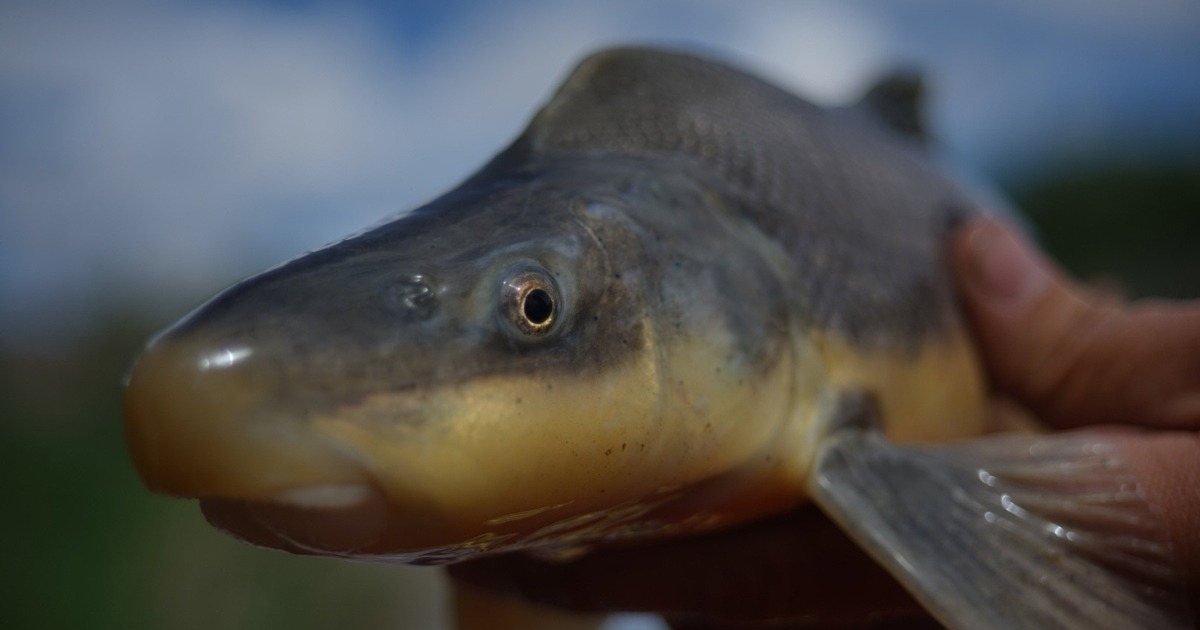
The razorback sucker is being moved from endangered to threatened under the Endangered Species Act, and that is what a real conservation win looks like: not a victory lap, but proof that long-term work can move a species in the right direction.
The fish was listed as endangered in 1991. It is native to warm-water parts of the Colorado River basin and can grow over three feet long and up to ten pounds. USFWS says more than three decades of work from federal, state, tribal, regional, private, and nonprofit partners helped get the species to this point.
The recovery work included propagation and stocking, nonnative fish control, instream flow work, research, monitoring, and habitat restoration. The agency says razorback suckers are now found in eight populations, and the Green River population in the upper Colorado River basin has climbed from roughly 100 wild fish in the late 1990s to about 36,000 adults.
This downlisting also comes with a 4(d) rule allowing limited take tied to conservation work, including refuge populations, nursery habitat, nonnative fish removal, education, and catch-and-release fishing opportunities. That kind of flexibility matters because wildlife and fisheries management has to happen on the ground, not just in a binder.
The job is not finished. Altered river flows, drought, water quality and quantity problems, nursery habitat loss, and nonnative predators are still real threats. But this is still good news. Conservation should be measured by results, and when a native fish improves because people did the work for decades, it deserves to be recognized.
Source & further reading
U.S. Fish and Wildlife ServiceRegulations and conditions change. Check current official guidance before you hunt, dive or travel.