
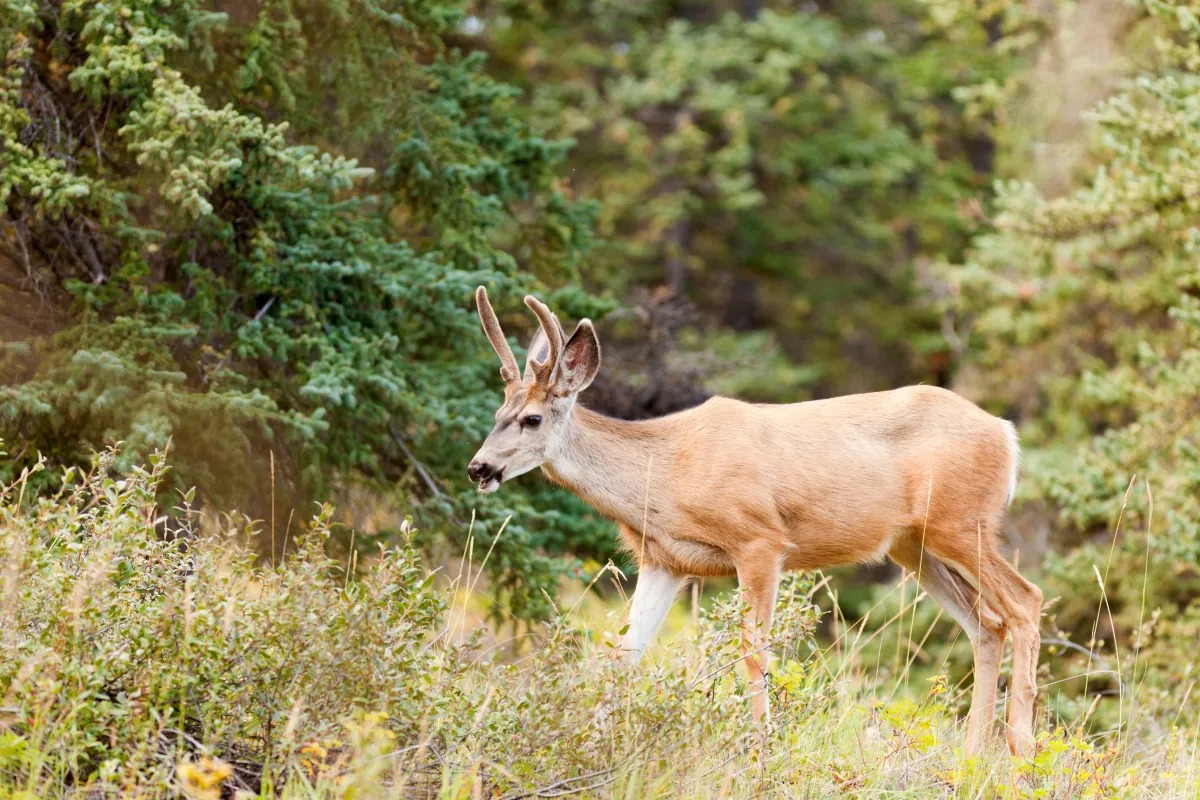
A hunter killed a mule deer in Alaska, and that is a bigger wildlife story than one doe in the freezer.
Outdoor Life reported that the April harvest is the first documented case of a hunter killing a mule deer in Alaska. Mule deer are not native to the state, and Alaska allows them to be taken year-round. The deer was killed near Skagway, where residents have been seeing more mule deer in recent years as the species shows up in Southeast Alaska and parts of the Interior around Fairbanks.
On the surface, some hunters might look at that and think more deer sounds like a good problem. Mule deer are one of the great big-game animals of the West, and in a lot of their traditional range, hunters are worried about declining numbers, habitat loss, winterkill, predators, and disease. Seeing them expand into new country can feel like opportunity.
But wildlife management is not that simple. A species can be valuable in one place and a problem in another. Alaska already has native wildlife that belongs on that landscape, including moose and Sitka blacktails in the right country. When a non-native deer starts moving in, managers have to ask what comes with it. Disease, parasites, competition, habitat pressure, and confusion with native species all matter.
That does not make mule deer bad animals. They are doing what wildlife does: moving, adapting, and using habitat where they can survive. The question is whether Alaska wants that population established, and what risk it brings to native game. Hunters should understand that distinction better than anyone. We can respect an animal and still recognize when it does not belong in a system.
This is why legal harvest is a management tool, not just recreation. If Alaska wants mule deer removed when they show up, hunters can be part of that work. Not because the animal is evil. Not because every new deer on the map is a crisis. But because waiting until a non-native population is firmly established is usually when the problem gets expensive, political, and almost impossible to undo.
There is also a bigger lesson here for sportsmen. We should not judge wildlife issues only by whether we personally like the species. Smallmouth bass, feral hogs, pythons, mountain goats, mule deer, or any other animal can be celebrated in one place and managed hard in another. Biology does not care about our favorites.
If you hunt Alaska or care about native wildlife, this is one to watch. A single harvest may not define the future, but it is a sign that managers and hunters need to stay ahead of the issue instead of pretending movement across the map has no consequences.
Source & further reading
Outdoor LifeRegulations and conditions change. Check current official guidance before you hunt, dive or travel.