
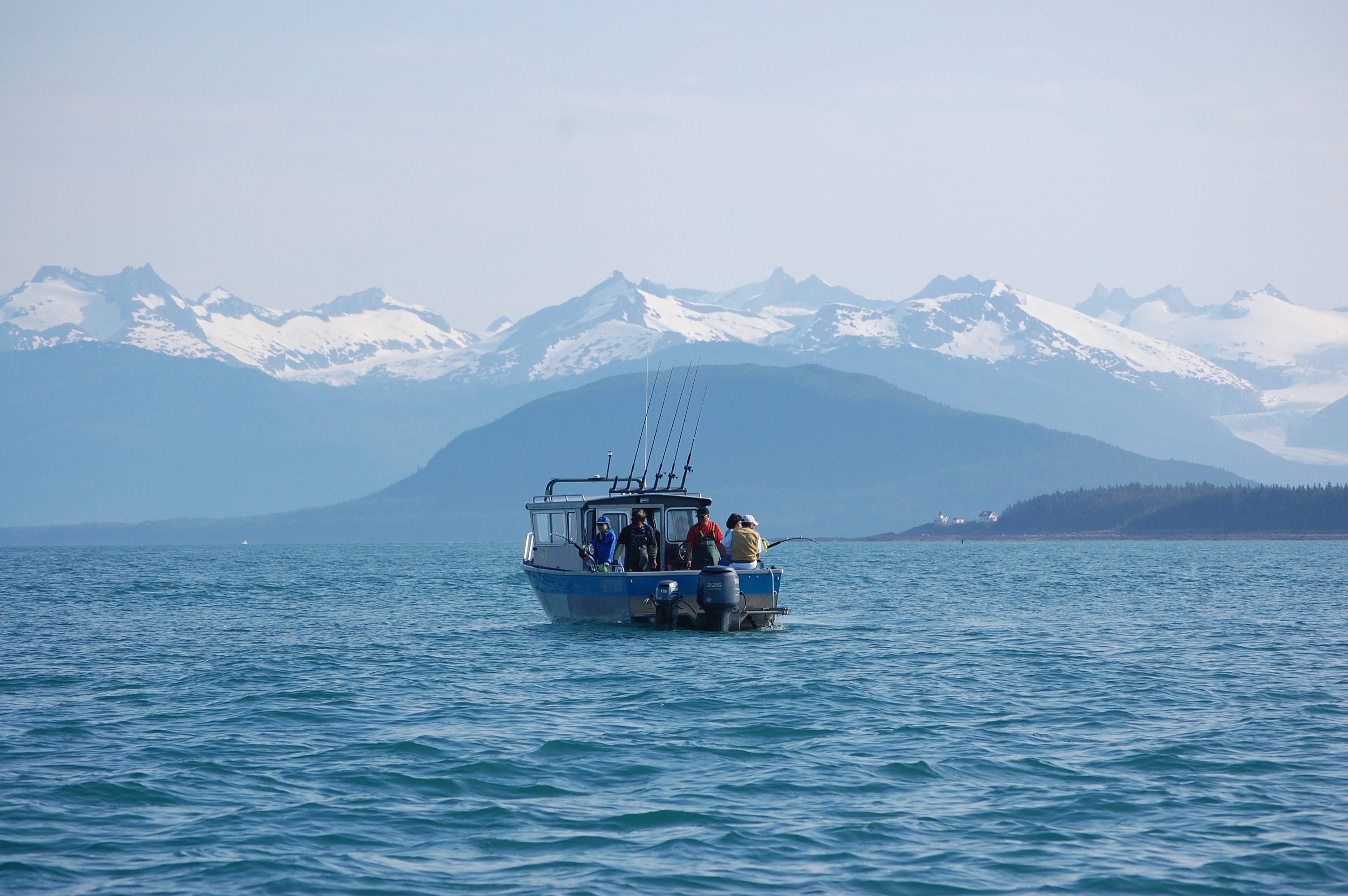
If you are booking an Alaska halibut charter, there is a new rule to know before you plan on bringing fish home.
NOAA Fisheries says that beginning in 2026, adult anglers fishing aboard a charter vessel in International Pacific Halibut Commission regulatory areas 2C and 3A need a charter halibut stamp for each day they intend to catch and retain halibut. That covers Southeast Alaska and Southcentral Alaska. Anglers fishing without a guide do not need the stamp, and catch-and-release charter anglers do not need one either.
The stamp costs $20. NOAA says guides will handle it, but anglers need to tell their guide before the fishing day starts if they plan to keep halibut. Some operations may build the cost into the trip, while others may charge it separately. Either way, it is one more detail for fishermen to understand before they step on the boat.
Halibut are one of the great wild-food fisheries in North America. People travel a long way and spend real money for a shot at those fish. Charter captains build businesses around them. Coastal communities benefit from them. Families fill freezers with them. That kind of fishery has to be managed carefully, because once allocation fights and conservation concerns start piling up, the rules never get simpler.
Sportsmen can live with regulations when the purpose is clear, the rules are applied fairly, and the money actually supports responsible management. What wears people down is complexity for complexity’s sake, or systems that make it harder for regular people to understand what they can legally do. A $20 stamp may not sound like much on top of a guided Alaska trip, but it still represents the direction modern fishing is headed: more paperwork, more compliance, more details that anglers and guides have to track.
That does not mean ignore the rule. It means pay attention. Know the area you are fishing. Know whether you plan to retain halibut. Talk to your captain before the trip. And if you care about how halibut are allocated between guided, unguided, commercial, and subsistence users, stay involved before the decisions are already made.
Good fisheries do not manage themselves. The people who use them need to understand the rules and keep a seat at the table.
Source & further reading
NOAA FisheriesRegulations and conditions change. Check current official guidance before you hunt, dive or travel.