
Fishermen complain about bad data for a reason. The answer is not less science. It is better science with fishermen involved.
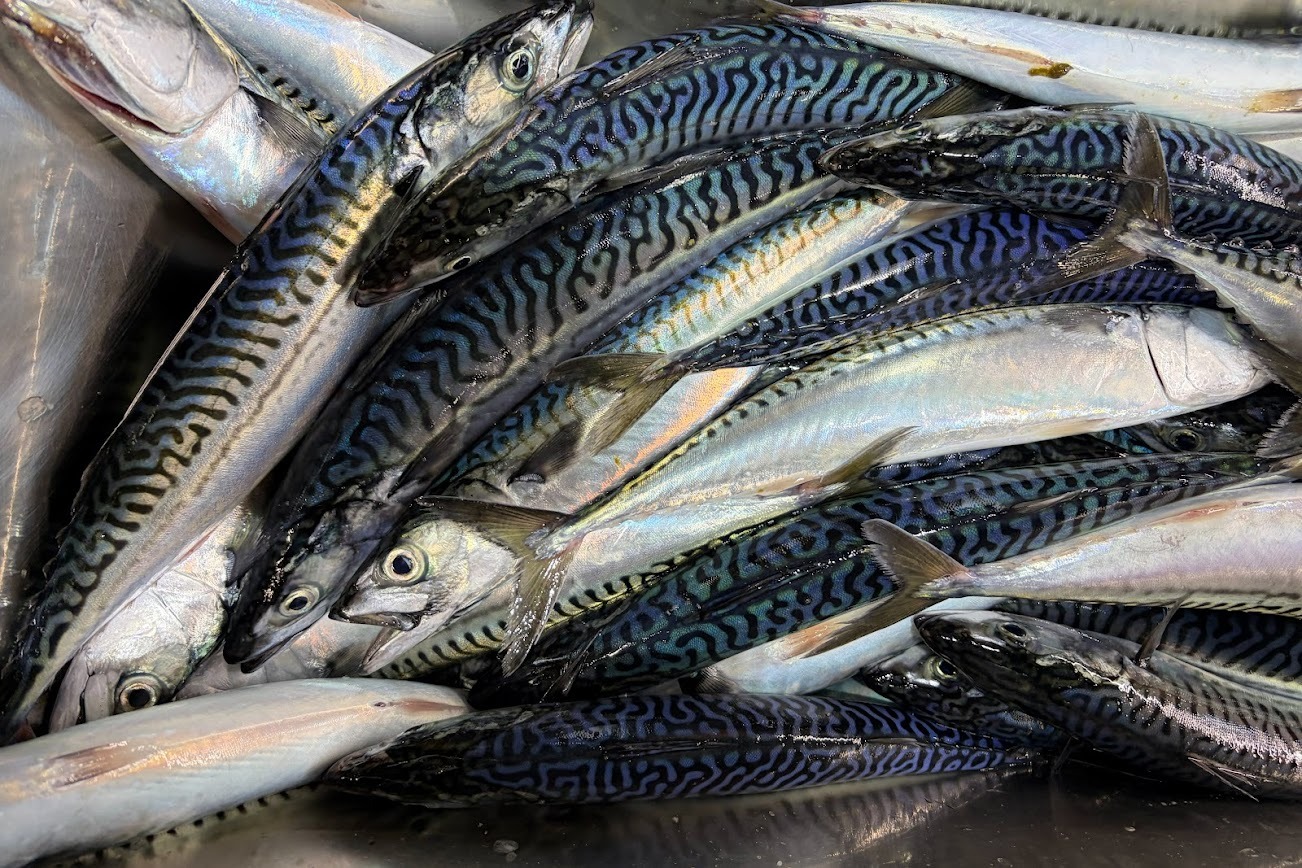
NOAA Fisheries announced a $2.3 million cooperative research effort to study Atlantic mackerel with the Northeast fishing industry. The project will involve more than 50 fishing vessels collecting and analyzing management-relevant data on mackerel population dynamics using advanced technology.
That matters because fisheries rules are only as good as the information under them. When stock assessments are weak, outdated, or disconnected from what people are seeing on the water, trust falls apart fast. Fishermen see fish in one place and closures in another. Managers see survey numbers and uncertainty. Both sides dig in, and the fishery gets stuck between spreadsheet management and dockside frustration.
Cooperative research is one of the better ways through that mess. It does not mean fishermen get to write their own rules. It means the people who spend their lives on the water help collect the data that managers use to make decisions. That should be common sense. A vessel that works the grounds, watches water temperature, sees movement patterns, handles gear, and understands timing brings real knowledge to the table. Pair that with good scientific design, and management gets stronger.
Atlantic mackerel may not get the same attention as tuna, striped bass, red snapper, or salmon, but forage and mid-level fish matter. They are part of food webs, commercial fisheries, bait supply, and the larger ocean system that supports everything from predators to working waterfronts. If the mackerel stock is weak, managers need to know why. If it is moving differently, they need to know that too. If the survey methods are missing part of the picture, that needs to be fixed before fishermen take the blame for bad assumptions.
This is the kind of investment recreational and commercial fishermen should support, while still holding agencies accountable for how the data gets used. Better data should lead to smarter rules, not just more restrictions by default.
Healthy fisheries require limits, enforcement, habitat, and restraint. They also require respect for the people who fund, harvest, and understand the resource firsthand. If managers want trust, putting fishermen inside the research instead of outside the conversation is a good place to start.
Source & further reading
NOAA FisheriesRegulations and conditions change. Check current official guidance before you hunt, dive or travel.