
Blackwater National Wildlife Refuge is accepting sealed bids for its 2027 furbearer trapping season, with 15 units available and a December 11 deadline. For trappers on Maryland’s Eastern Shore, the immediate task is securing the bid packet and arranging any permitted scouting—not heading into a unit to set traps.
The U.S. Fish and Wildlife Service’s November 18 announcement says bids must reach the refuge office by 5 p.m. December 11, 2026. That is a received-by deadline, not a postmark deadline. Individuals may bid on more than one unit, but no bidder can be awarded more than three. Successful bidders must personally trap their units; subleasing is prohibited.
Bid invitations, unit maps and further details are available from refuge wildlife biologist Matt Whitbeck at 443-737-7699. Prospective bidders can inspect units from 9 a.m. to 3 p.m. December 1–3 and December 7–10, but a scouting permit is required. Request the packet and permit information before planning a visit; the inspection dates are not unrestricted access permission.
Successful bidders will be notified by mail. The refuge must receive full payment on or before December 23 for those bidders to receive their permits. The announcement says successful bids support further conservation work at the refuge. It does not list bid amounts or minimum bids, so those details should come from the refuge’s invitation rather than an assumed price.
The announced trapping season runs January 1 through March 15, 2027, for muskrat, raccoon, fox, skunk and opossum. An extension would require action by both the state and the refuge. Do not treat the possibility of an extension as permission to trap beyond March 15, or a bid award as a substitute for the applicable permit and trapping requirements. The announcement is not a complete gear or methods rulebook; confirm those requirements before setting traps.
Blackwater describes trapping as both a population-management activity and an economic opportunity for local trappers. The agency says uncontrolled muskrat populations can seriously damage marsh vegetation that supports waterfowl, other migratory birds and Chesapeake Bay health. Regulated harvest here is tied to maintaining that habitat, not simply making units available.
The refuge protects more than 33,000 acres of tidal marsh, mixed hardwoods and pine forest, managed freshwater wetlands and cropland. Anyone preparing a bid should work from the current unit maps and refuge instructions: the broader refuge acreage does not establish where an individual trapping permit allows access.
Read the official bid announcement and check Blackwater’s refuge website for visitor information before traveling.
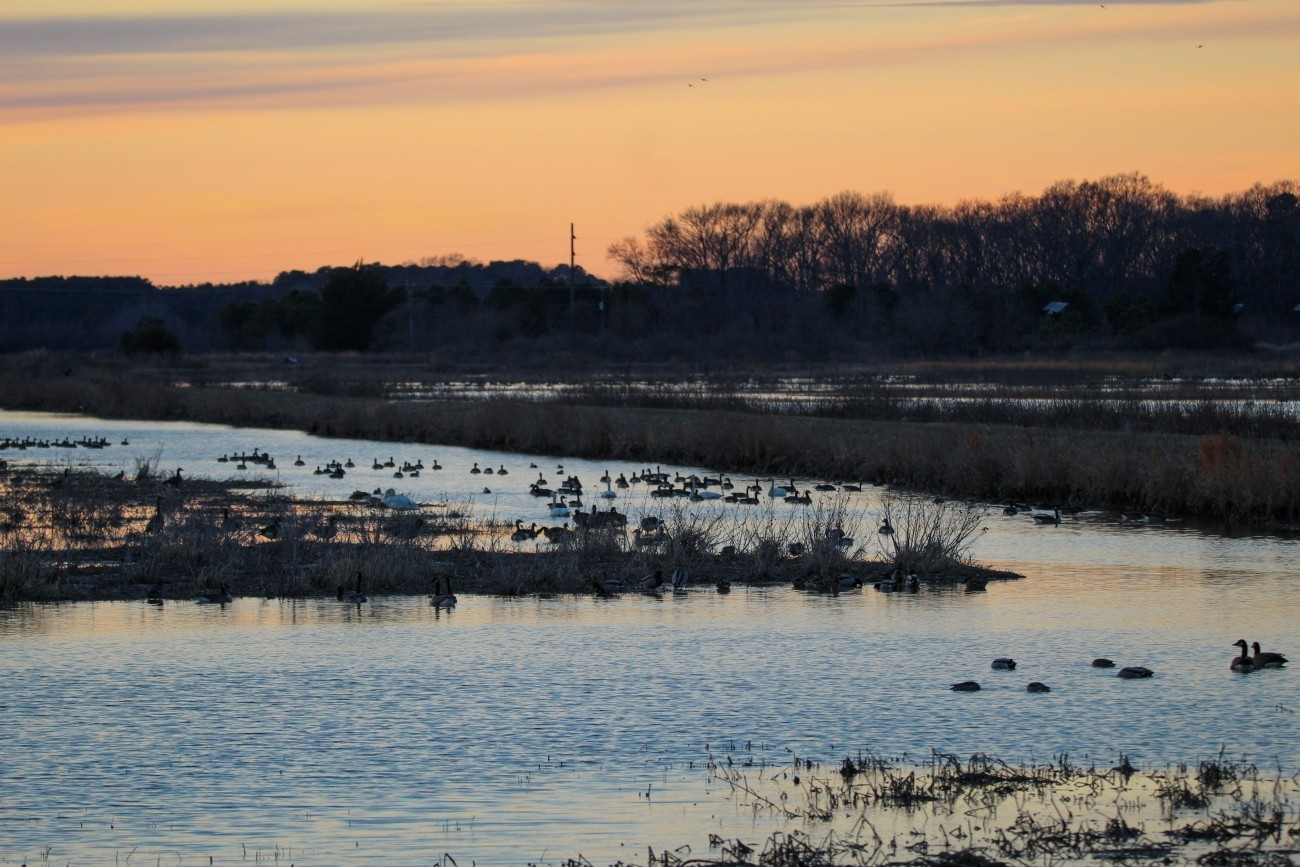
File photograph: waterfowl at Blackwater National Wildlife Refuge, photographed February 10, 2023; not a photograph of the 2027 trapping season. Photo: Holly Keepers / USFWS. The FWS image record identifies the photograph as public domain.
Source & further reading
U.S. Fish and Wildlife ServiceRegulations and conditions change. Check current official guidance before you hunt, dive or travel.
As an Amazon Associate I earn from qualifying purchases.