
This is what practical wildlife work looks like when biology leads the decision.
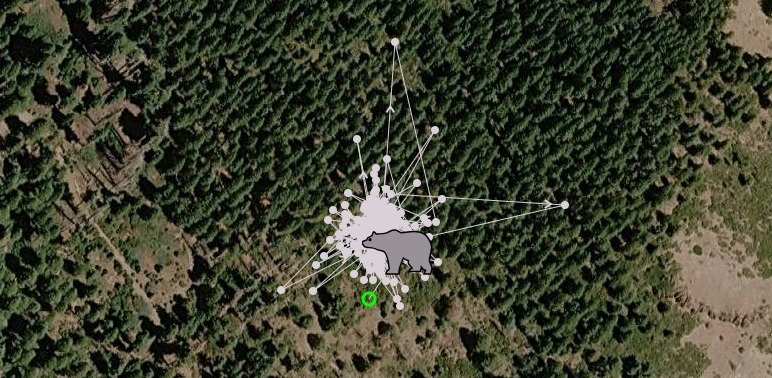
The California Department of Fish and Wildlife says five orphaned black bear cubs rehabilitated and released into northern California in November 2025 successfully denned, hibernated through winter, and returned to the landscape this spring healthy and active. The bears were ear-tagged, microchipped, and fitted with GPS collars so biologists could track what happened after release.
CDFW described the project as an experimental fall release. California typically releases rehabilitated juvenile bears in spring, but other western states have had success releasing bears in the fall. The idea is simple enough: if healthy young bears can return to the wild before winter, den naturally, and avoid spending extra months around people, that may reduce cost, reduce stress, and lower the chance they become too comfortable around humans.
That last part matters. Black bears are not pets, mascots, or social media props. They are wild animals that need to stay wild if they are going to survive around people. Once bears learn to associate humans with food, trash, cabins, campgrounds, or easy handouts, the outcome usually gets worse for the bear and more dangerous for everyone else.
This release worked because it was not built on emotion alone. The bears were evaluated, rehabilitated, collared, released into suitable habitat, and monitored. CDFW worked with wildlife rehabilitation partners, the Wildlife Health Lab, veterinary staff, and regional biologists. One sick cub in the broader group was humanely euthanized, which is a hard but honest part of wildlife work that people do not like to talk about. Conservation is not always clean or sentimental. Sometimes it means giving animals the best chance possible. Sometimes it means making difficult calls.
Predators and large mammals belong on the landscape, but they also require serious management where wild country and human communities overlap. That includes keeping food sources secured, not feeding bears, handling orphaned wildlife correctly, and using science instead of emotion to decide what gives animals the best shot at staying wild.
A healthy bear back on the mountain is a win. A bear that stays wary of people is an even bigger one.
Source & further reading
California Department of Fish and WildlifeRegulations and conditions change. Check current official guidance before you hunt, dive or travel.