
The Cape Cod Bluewater Classic has established a 115-inch blue marlin harvest division tied to fisheries research. The Billfish Foundation’s September 18 update says qualifying specimens will be donated to the University of Maine, giving researchers access to fish that can provide biological information beyond a tournament weight.
That is a tournament division, not a new government harvest rule. Crews still need to follow applicable fishing regulations as well as the event’s requirements. The announcement describes the donation arrangement; it does not report completed research findings from those specimens.
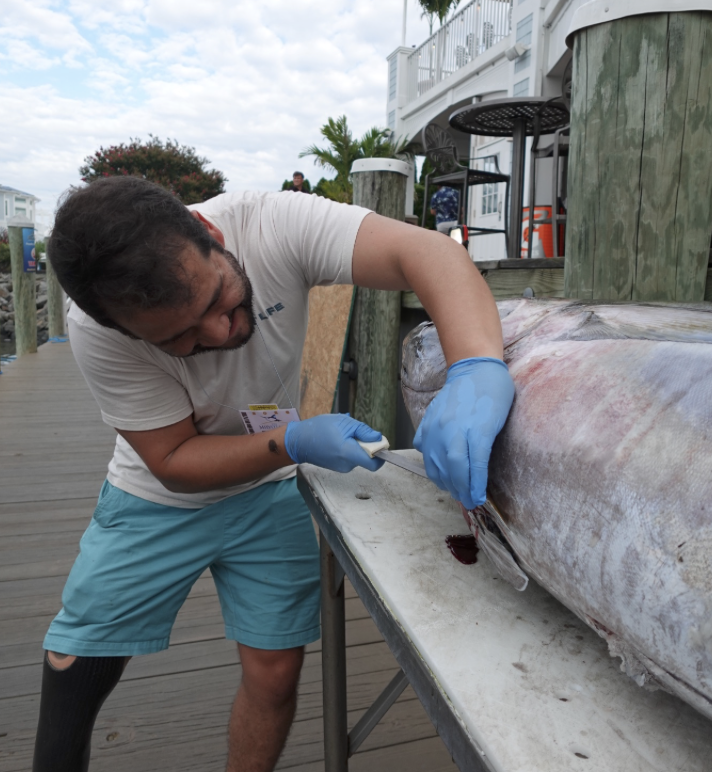
The same update explains how research fits into other tournament weigh-ins. At the Pirate’s Cove and MidAtlantic events, the foundation helps bring scientists from the University of Southern Mississippi and the Virginia Institute of Marine Science to the docks. After landed fish are officially weighed, researchers collect tissue, fin spines, otoliths, gonads and stomach contents for studies of age, growth, genetics, reproduction and diet.
Release fishing remains a substantial part of those events. The foundation reports that the 2026 MidAtlantic fleet caught 112 blue marlin and released 107, alongside 446 white marlin releases. Those are tournament results, not evidence by themselves that the wider billfish population has increased.
The practical conservation value is in making a legal landed fish useful beyond the scales. Coordinating donations and sampling with researchers can preserve information that would otherwise be lost. The Cape Cod arrangement adds a specific research destination for qualifying marlin; the dockside work at other tournaments shows the kinds of questions biological samples can help answer.
Source & further reading
The Billfish FoundationRegulations and conditions change. Check current official guidance before you hunt, dive or travel.