
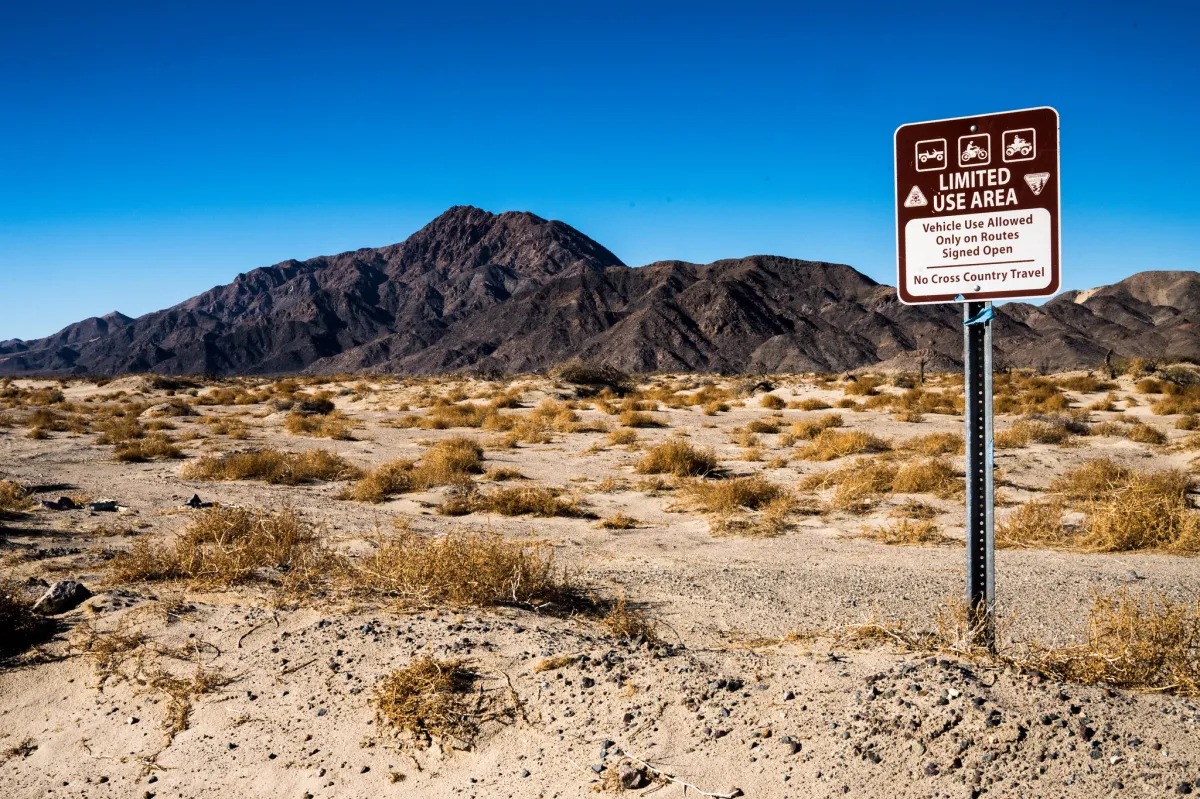
Public land access matters, but access without management can wreck the very ground hunters and fishermen depend on.
A new executive order from President Trump repeals two long-standing federal orders from the 1970s that shaped how off-road vehicles are managed on federal public land. Those older orders gave agencies a framework for designating routes, taking public comment, limiting user conflicts, and closing areas where off-road vehicle use was causing serious damage to soil, vegetation, wildlife, habitat, or cultural resources.
The White House calls those rules outdated and says modern mapping technology can help improve access. Off-road groups are treating it as a major win. Conservation and public-land groups are warning that it could open sensitive country to more pressure at a time when backcountry areas are already getting crowded.
Hunters should not fall into a lazy argument on this one. This is not as simple as “more access good” or “vehicles bad.” Plenty of sportsmen use trucks, ATVs, side-by-sides, snowmobiles, and e-bikes legally and responsibly. In some places, motorized access is the only way older hunters, disabled veterans, working families, and people without horses can realistically reach public land. That matters. Public land should not become a private playground for only the young, rich, and hyper-fit.
But anyone who has hunted pressured country also knows what happens when every ridge, two-track, basin, and creek bottom becomes easy to reach. Game gets pushed. Habitat gets torn up. Wet trails turn into ruts. Quiet country disappears. The same access that helps one hunter can ruin the experience and the resource when it is unmanaged.
Real conservation has to balance use with restraint. Multiple use does not mean every use belongs everywhere. Some roads should stay open. Some trails should be hardened and maintained. Some places need seasonal closures for elk, deer, nesting birds, wet soils, or migration corridors. Some country should stay hard to reach because that difficulty is part of what protects it.
Sportsmen should be in this fight early, not after the maps are redrawn. Support access, but demand route planning, enforcement, habitat protection, and local input from people who actually hunt and fish the ground.
Public land belongs to the public. That also means the public has a duty not to love it to death.
Source & further reading
Outdoor LifeRegulations and conditions change. Check current official guidance before you hunt, dive or travel.