
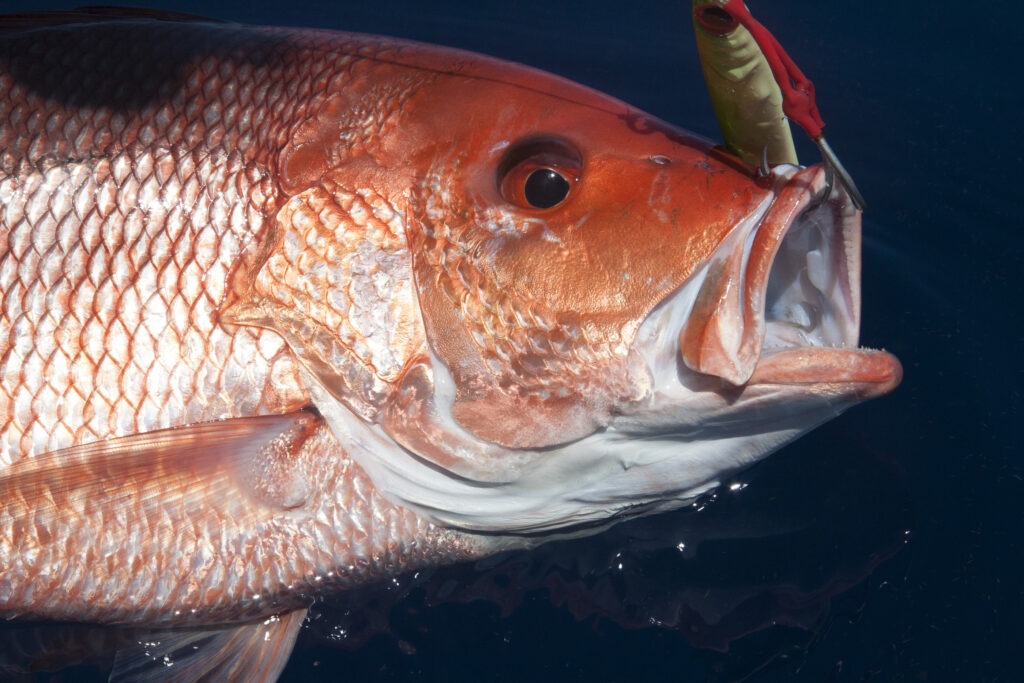
Florida’s Atlantic red snapper mess is exactly why fishermen get tired of being told to just trust the process.
The 2026 Florida Atlantic red snapper season was expected to run 39 days. Charter captains, headboat operators, tackle shops, and coastal businesses planned around it. Trips were booked. Customers made travel plans. Supplies were bought. Tackle was ordered. Then the season was shut down only hours before it was supposed to open.
The American Sportfishing Association released survey feedback collected by Southwick Associates from affected fishing businesses, and the message is pretty clear: the closure caused real damage. One charter operator said clients had booked every available day after being told there would be 39 days to fish, only for the federal government to say no about four hours before opening day. Another said the closure destroyed his year after months of red snapper bookings started cancelling immediately.
This is not just about a few missed fish pictures. Red snapper season drives fuel sales, bait sales, tackle sales, dock work, hotel rooms, restaurant traffic, and family vacations. When managers slam the door at the last second, the hit lands on working people who already live with tight margins and complicated rules.
The frustrating part is that fishermen are not asking for no management. Red snapper are a public resource. Seasons, limits, accountability, and stock data matter. But access has to be managed in a way that is honest and workable. A fishery cannot be advertised to the public and built into business plans, then yanked away at the last minute like nobody on the docks has bills to pay.
There is also a trust problem here. If agencies want fishermen to cooperate with data collection, descending devices, reporting rules, and conservation measures, they cannot keep treating the recreational side like an afterthought. Good management requires buy-in. Last-second closures burn that buy-in fast.
Red snapper should be managed for both conservation and reasonable public access. That means better data, clearer communication, realistic season setting, and enough respect for coastal communities to avoid avoidable economic gut punches. Fishermen can handle tough rules when the rules make sense. What they should not have to accept is chaos dressed up as management.
Source & further reading
American Sportfishing AssociationRegulations and conditions change. Check current official guidance before you hunt, dive or travel.