
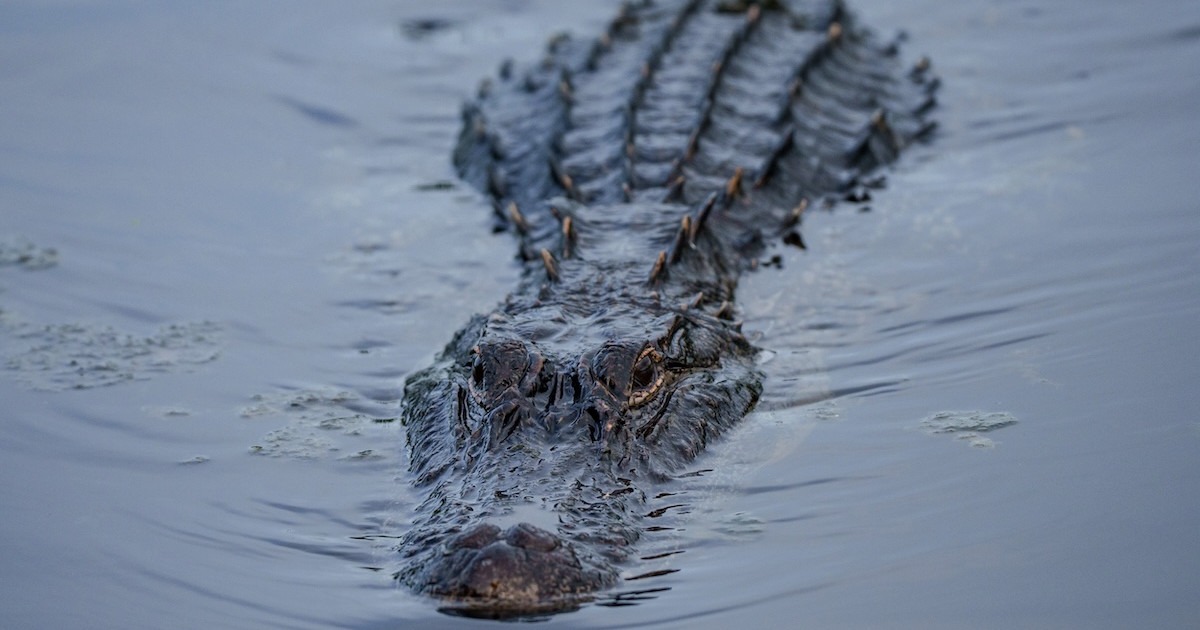
A fatal alligator attack in Florida is a hard reminder that wild water is not a swimming pool, and big predators do not care how ordinary the day started.
On June 28, 31-year-old Brittany Clark was attacked while swimming in the Econlockhatchee River after hiking in Little Big Eco State Forest. According to Florida Fish and Wildlife Conservation Commission information cited in the report, the group was in about three feet of water when the alligator struck, biting both of her arms. Her boyfriend and friend got her out of the water and performed CPR, but she died before reaching the hospital.
FWC and a contracted nuisance alligator trapper responded. Officials used aerial support, trapped, and killed two large alligators in the area, one measuring 12 feet and one measuring 13 feet. The 13-footer was found at the scene, and genetic samples from both animals were sent to a Gainesville lab to determine whether one was responsible.
Florida officials also repeated a rule that matters: any alligator associating people with a food source needs to be reported and removed from the wild. Feeding gators, throwing fish scraps where people swim, or treating a dangerous animal like a tourist attraction can turn into somebody else’s nightmare.
This happened near the end of mating season, when alligators can be territorial. There were also two other non-fatal alligator attacks in Florida within the same week, including a snorkeler on the Rainbow River and a child bitten while fishing on the Ocklawaha River.
None of that means people should panic every time they see water in Florida. It does mean folks need to respect where they are. Do not swim in questionable water, especially at low light. Keep kids and dogs back from the edge. Never feed gators. Report nuisance animals before they become a headline.
Predator management is not cruelty. It is part of living honestly in country where big predators still exist. Respect the animal, respect the risk, and do not pretend the wild has been housebroken.
Source & further reading
MeatEaterRegulations and conditions change. Check current official guidance before you hunt, dive or travel.