
The Great Lakes Aquatic Invasive Species Landing Blitz is underway, and the message is about as plain as it gets: anglers and boaters need to stop hauling trouble from one waterbody to the next.
The coordinated two-week effort runs June 29 through July 12 across the Great Lakes region. In Wisconsin, Clean Boats, Clean Waters representatives are stationed at landings and access points to show boaters the simple steps that help keep invasive plants and animals from spreading.
Those steps are not complicated. Remove plants and mud. Drain livewells and water from the boat. Check trailers, motors, anchors, nets, waders, and anything else that touched the water. Follow local rules on bait and transport. It is basic responsibility, and it matters whether you fish the Great Lakes, a farm pond, a tidal river, or a mountain reservoir.
Invasive species are not an abstract biology-class problem. They change fisheries, eat native forage, wreck spawning habitat, clog access, cost agencies and taxpayers money, and force managers into hard decisions. Once they get established, the fight usually gets expensive and permanent.
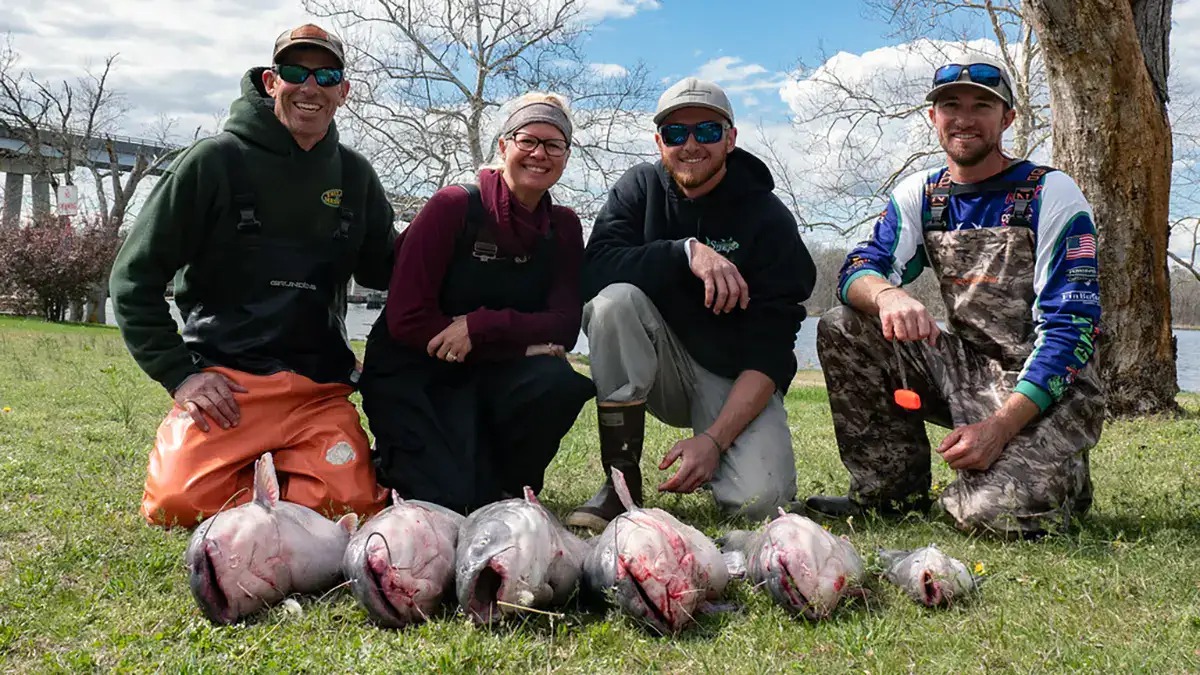
The same story is playing out all over the country. Colorado is running a pike removal tournament at Green Mountain Reservoir to protect valuable fisheries. Maryland continues to push harvest of non-native blue catfish in the Chesapeake system, where those fish eat native blue crabs, white perch, menhaden, and other species. Florida’s Lionfish Challenge rewards divers and anglers for removing lionfish from saltwater where they do not belong.
That is not anti-fish. It is pro-fishery. A native brook trout stream, a walleye lake, a bass river, and a reef system all deserve management that fits the problem in front of them. Sometimes that means limits and restraint. Sometimes it means taking every legal invasive you can.
Anglers like to call themselves conservationists. Good. Then act like it at the ramp. Clean your boat. Drain your gear. Know the rules. Harvest invasives where managers ask for help. Do the small things before they turn into big problems nobody can afford to fix.
Source & further reading
Wired2FishRegulations and conditions change. Check current official guidance before you hunt, dive or travel.