
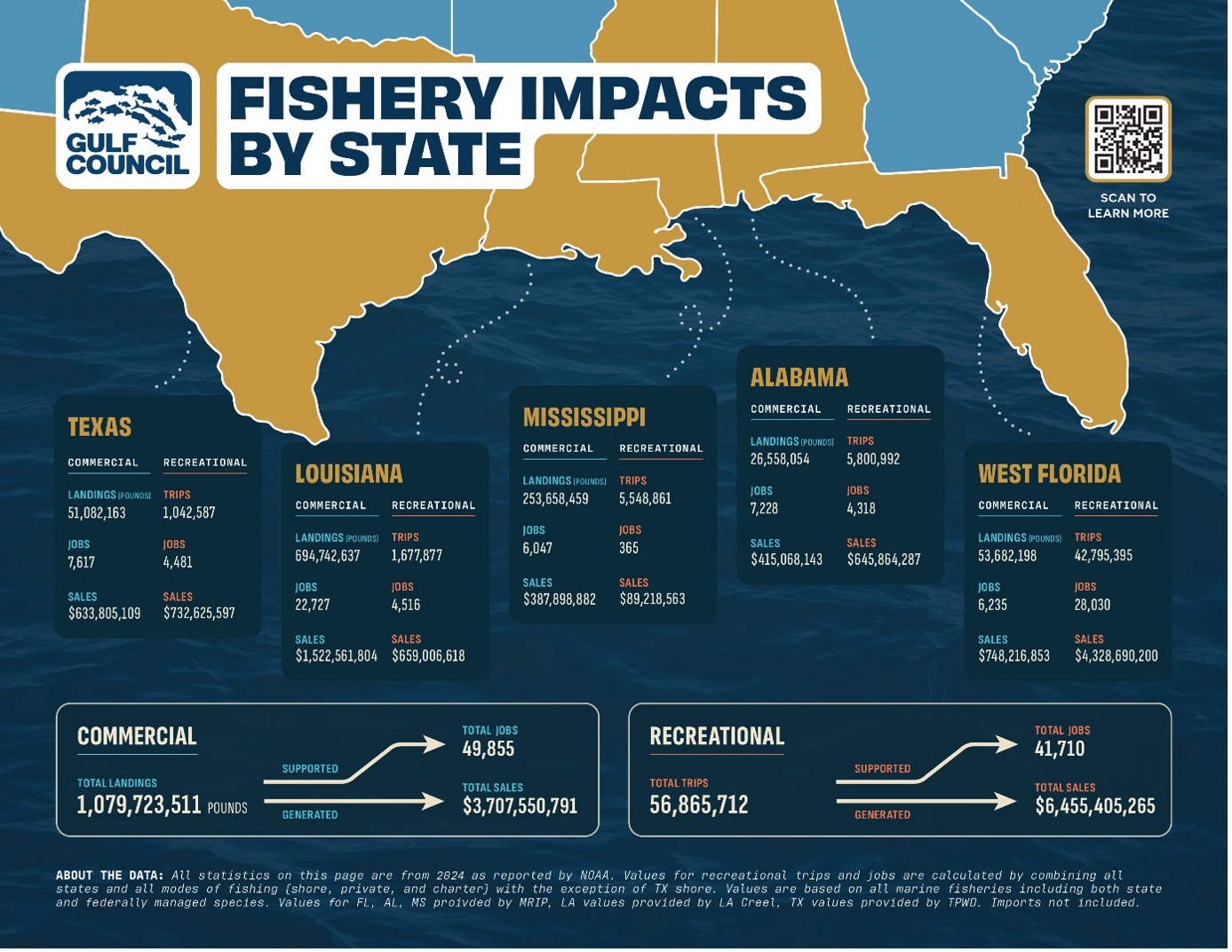
Recreational anglers' economic contribution is under scrutiny ahead of future Gulf red snapper allocation debates. In a September 8 commentary, representatives of the Coastal Conservation Association and Congressional Sportsmen's Foundation argue that state-level figures presented to the Gulf Council leave out major purchases such as boats, trailers and fishing electronics.
The distinction is between money spent taking fishing trips and money spent on durable equipment. Authors Brad Gentner and Chris Horton say the figures shown to the council include trip spending but omit durable goods. They argue that presenting those figures without a clear explanation understates the recreational sector's contribution. This is the organizations' assessment, not a new council finding or a NOAA response.
Their concern is tied to a red snapper stock assessment they describe as underway. They say future allocation discussions could address the commercial and recreational shares, the split between federal for-hire boats and private anglers, and the state shares of the private recreational component. The commentary announces no adopted allocation change, season adjustment or new bag limit.
Accurate economic information matters when managers weigh competing uses of a public fishery. So does knowing what a number actually measures. Trip spending alone should not be treated as interchangeable with spending that also includes boats and equipment, and economic value does not replace the biological work needed to support sustainable harvest.
For anglers following the allocation process, this is a data issue to watch rather than a change in permission to fish. Read the underlying council materials and current official regulations before drawing conclusions about future access or planning a red snapper trip.
Source & further reading
CCA FloridaRegulations and conditions change. Check current official guidance before you hunt, dive or travel.