The fight for public lands is bigger than any one camp. Hunters, anglers, hikers, climbers, paddlers, backpackers, and working guides may not all use the land the same way, but they are looking at the same locked gates, land-sale schemes, habitat fights, wildfire problems, and political pressure to turn shared ground into someone else’s private asset.
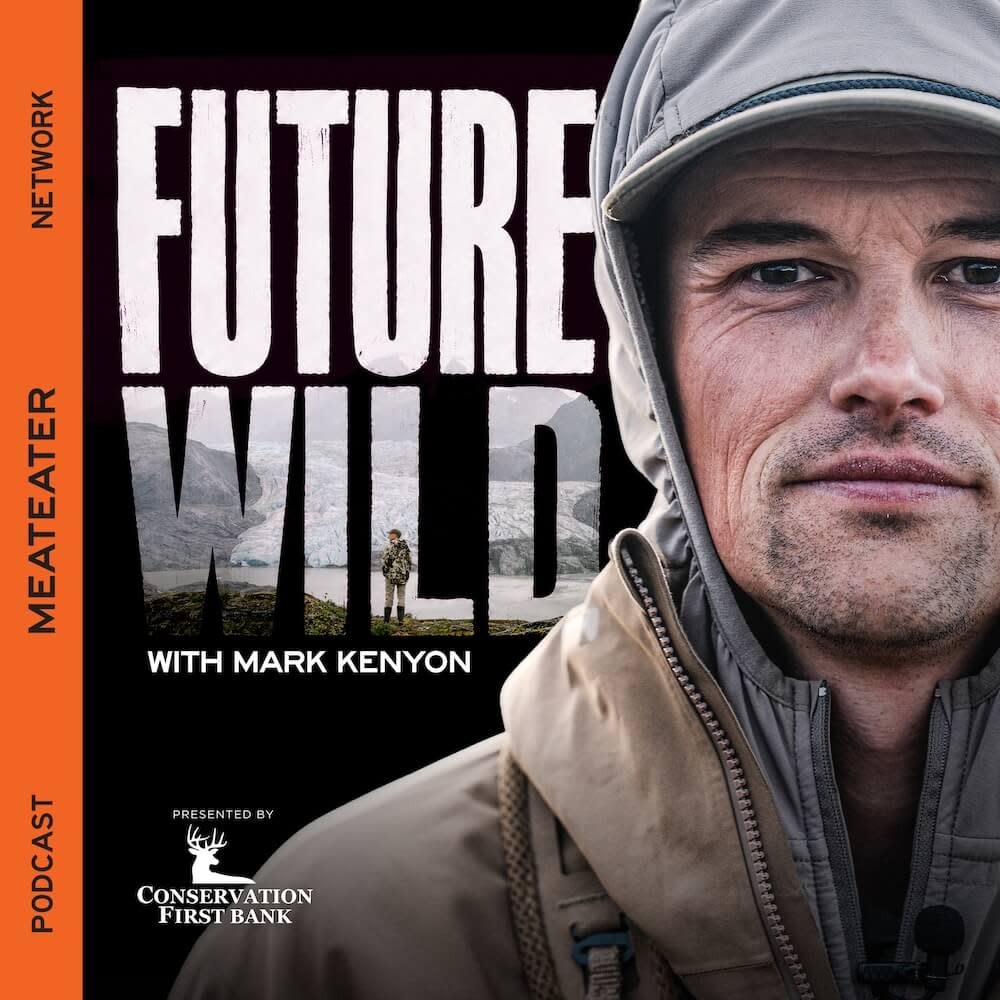
A new Future Wild conversation with Fitz Cahall digs into that overlap between the hunting and fishing world and the broader outdoor adventure community. That bridge matters. Public land opponents do not need every user group to agree with them. They just need hunters over here, hikers over there, anglers somewhere else, and everybody too busy arguing culture to notice the acreage slipping away.
Hunters and fishermen bring real weight to the table. License dollars, Pittman-Robertson and Dingell-Johnson funding, habitat projects, game management, volunteer work, and generations of field knowledge are not small contributions. The broader outdoor community brings numbers, business pressure, public attention, and a lot of people who care deeply about keeping land open and intact. Put those together and it is a harder force to ignore.
That does not mean watering down hunting, apologizing for legal harvest, or pretending every user group sees wildlife the same way. It means being smart enough to defend common ground where it exists: access, habitat, clean water, functioning wildlife corridors, and public ownership that regular Americans can actually use.
Public land is not a brand slogan. It is where people fill tags, catch trout, sleep under weather, teach kids, burn boot leather, and remember that this country still has places that belong to all of us. If we want to keep it, we had better stop acting like divided camps are a strategy.
Source & further reading
MeatEaterRegulations and conditions change. Check current official guidance before you hunt, dive or travel.