
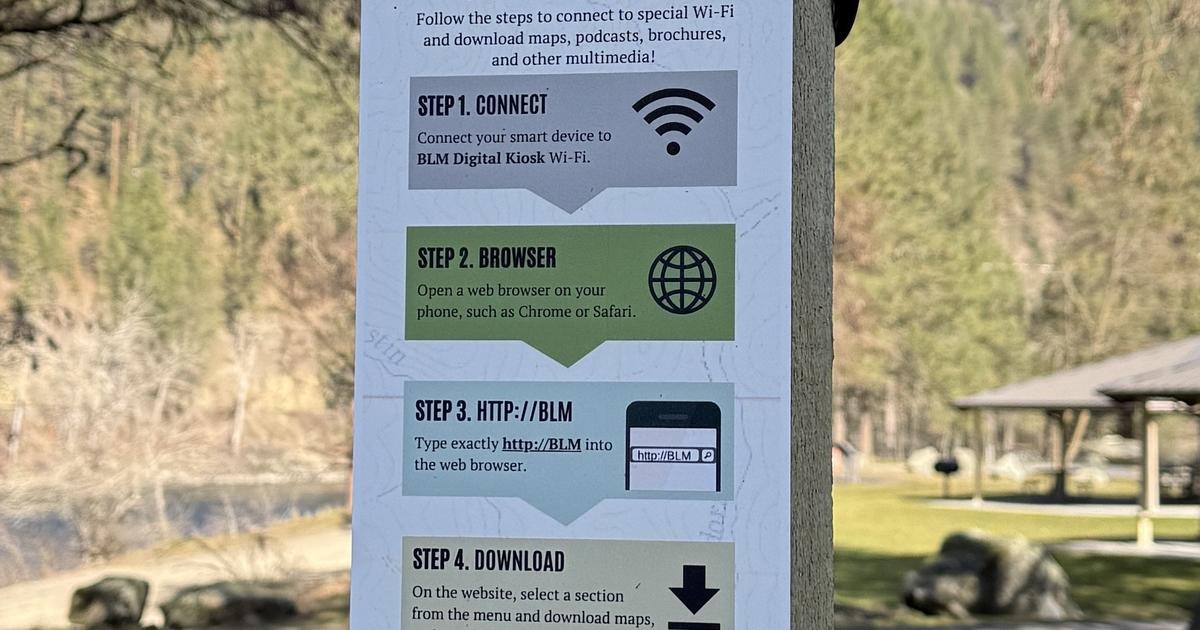
Access is not only about opening a gate. Sometimes it is about making sure people can actually find the rules, maps, and information they need once they are already out there.
Idaho Fish and Game announced a partnership with the Bureau of Land Management’s Cottonwood Field Office to install digital kiosks at key recreation sites in north-central Idaho. Five kiosks are now operating at the Cottonwood Field Office Building, Cooper’s Ferry Interpretive Site, Hammer Creek Boat Ramp, Craig Mountain/Eagle Creek Road Junction, and Pink House boat ramp.
The idea is simple and practical. The solar-powered kiosks create a local Wi-Fi hotspot that lets hunters, anglers, boaters, and other recreationists download maps, brochures, regulations, podcasts, boating information, wildlife content, and site-specific resources directly to their phones. They do not need regular internet service to work, which matters in country where cell signal can disappear fast.
That may not sound as exciting as a new season or a bigger limit, but it matters. A lot of outdoor problems start with people not knowing where they are, what rules apply, what access point they are using, or what agency manages the ground. Better information at the right place can mean fewer mistakes, fewer conflicts, better compliance, and a smoother day for people trying to hunt, fish, float, or use public land legally.
This is also a good reminder that access has layers. Public land access means nothing if people cannot navigate it. Regulations mean nothing if they are impossible to find in the field. Conservation rules work better when the average sportsman can understand them before he launches the boat, walks into a WMA, or drives past the last bar of cell service.
Hunters and fishermen should support practical improvements like this, while still demanding that agencies keep the basics in front of them: open roads where they belong, clear signage, usable boat ramps, fair regulations, and enough enforcement to protect the resource. Technology is not a replacement for real access, but it can help people use access responsibly.
The best public-land systems are not built for people sitting in offices. They are built for the guy at the ramp, the family headed to fish, the hunter trying to confirm a boundary, and the boater who needs to know what rules apply before he gets in trouble.
If this works in Idaho, more states should be looking at the same kind of field-level information tools.
Source & further reading
Idaho Fish and GameRegulations and conditions change. Check current official guidance before you hunt, dive or travel.