
Minnesota pheasant hunters can keep three roosters a day starting December 1, with a possession limit of nine, as the season continues through January 3, 2027. Until November 30, the limits remain two roosters daily and six in possession. The Minnesota Department of Natural Resources highlighted the approaching change in its November 23 update on winter small-game hunting.
This is the scheduled late-season increase, not a new emergency opening. The DNR’s pheasant season page lists shooting hours of 9 a.m. to sunset. The larger December bag does not change those hours or authorize taking hens.
Late-season cover and access
The agency’s small-game update points pheasant hunters toward tall grass and cattail marshes at this time of year. It also warns hunters to be cautious around ice. A bird moving into a marsh is not a reason to cross uncertain ice; choose a route that keeps the hunt on safe footing.
The DNR says pheasant numbers in its August roadside survey were nearly 20 percent higher than last year. That is a survey finding, not a promise of birds on every parcel. Hunters still need to check local access, property boundaries and any site-specific restrictions before setting out. The pheasant page links to Wildlife Management Areas and Walk-In Access information for planning.
License and stamp requirements depend on age and residency. Check the agency’s current requirements rather than assuming a late-season trip is exempt. For pheasants harvested in the field and transported, the DNR requires one leg or a fully feathered wing to remain attached.
Other small-game seasons continue
Ruffed grouse hunting also continues through January 3. The DNR identifies the last hour before sunset as a useful time to look for grouse leaving snow roosts to feed. Squirrel and rabbit seasons extend through February 28, 2027; the agency suggests thick cover such as brush piles, thickets and briars for rabbits. Species-specific bag limits and shooting rules still apply—pheasant limits are not a general small-game allowance.
Keep blaze clothing visible
Minnesota’s blaze-clothing rules distinguish ordinary small-game hunting from hunting during an open firearms or muzzleloader deer season. When neither deer season is open, small-game hunters generally need at least one visible article of blaze orange or blaze pink clothing above the waist. During open firearms or muzzleloader deer seasons, the rule generally covers the visible portion of the cap and outer clothing above the waist, excluding sleeves and gloves. The agency lists specific exceptions; check the rule and the seasons applicable to your hunt.
Optional gear consideration: the Allen Deluxe Orange Hunting Vest, Medium is a blaze-orange option to consider over your outer layers. The linked variant is Medium; check fit with the clothing you will actually wear and keep the blaze surface visible. A vest alone does not satisfy every cap and upper-body requirement during deer seasons, and no visibility garment replaces safe firearm handling, target identification or compliance with local hunting rules.
KILLSHOT Life may earn a commission from purchases through this Amazon link.
Before heading out, confirm the date-specific limit, license and stamp requirements, shooting hours and access on the DNR’s official pages. The three-rooster daily limit begins December 1—not before.
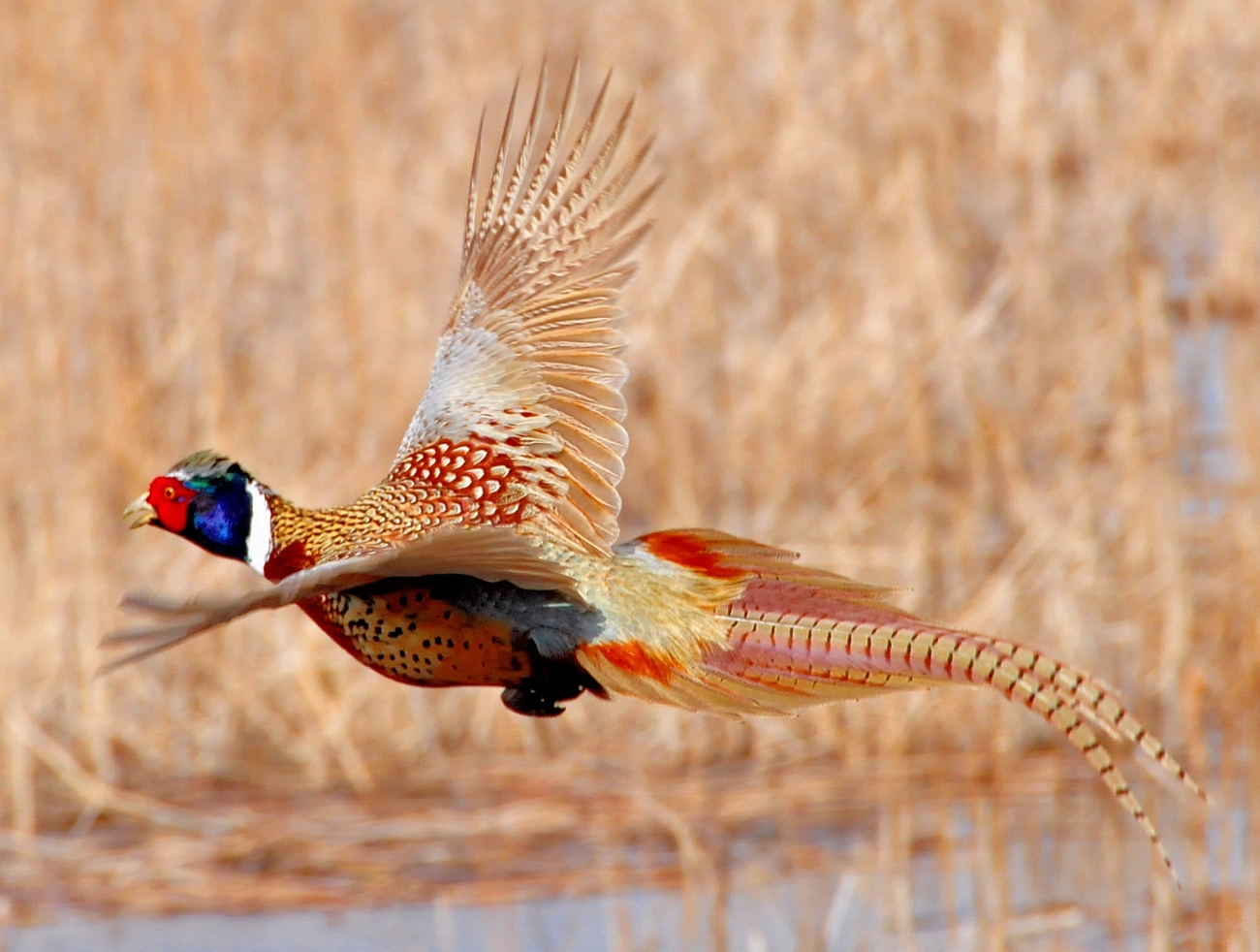
Illustrative file photo: a ring-necked pheasant flying at Lacreek National Wildlife Refuge, photographed by Tom Koerner/USFWS. This is not a photograph of the current Minnesota season. The USFWS media record identifies the image as public domain.
Source & further reading
Minnesota Department of Natural ResourcesRegulations and conditions change. Check current official guidance before you hunt, dive or travel.
As an Amazon Associate I earn from qualifying purchases.