
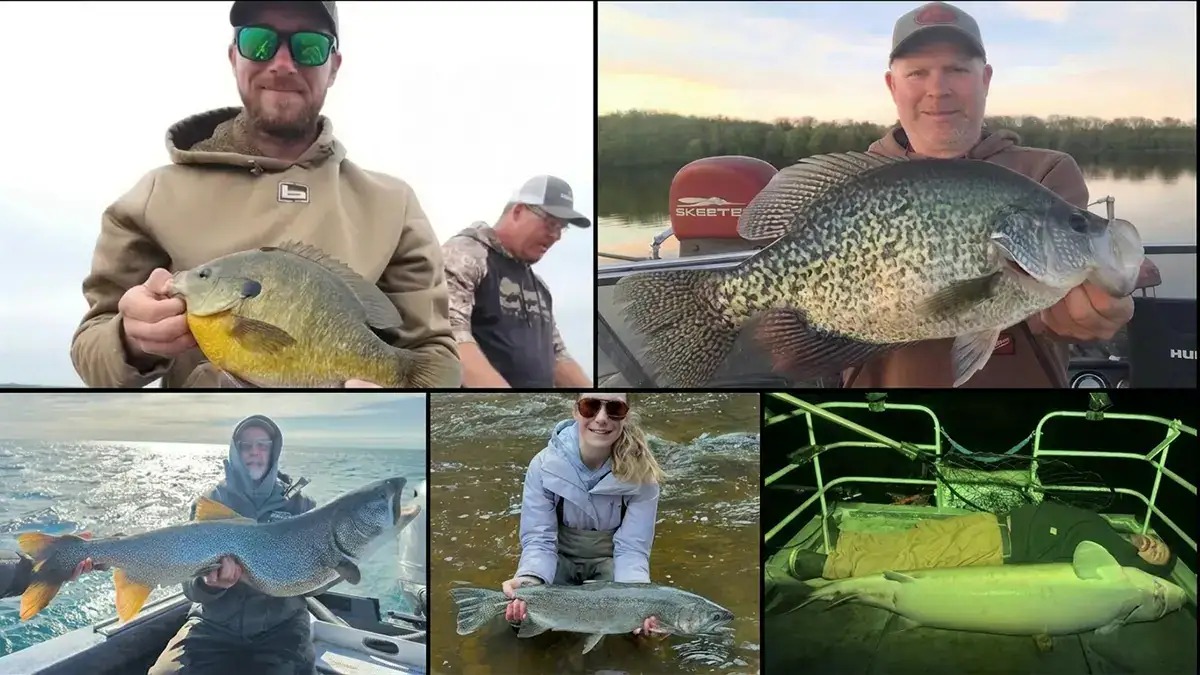
Minnesota fishermen are having one of those years that reminds everybody why healthy water and good fisheries management matter.
The Minnesota DNR has already certified nine new state fish records in 2026. Two are record-weight fish, which require certified scales and witnesses. Seven are catch-and-release records, where anglers document length, provide clear photos for species identification, and show the fish was released in good condition.
That mix matters. A state record program can celebrate harvest and still reward careful release of trophy fish. Those are not enemies. They are both part of a fishing culture that values opportunity, conservation, and doing things the right way.
The list includes a 4.1-pound, 18-inch black crappie from Cedar Lake near Minneapolis, an 80-inch lake sturgeon from the Rainy River estimated at 165 pounds, and two Lake Superior lake trout records in the same spring, first at 44 inches and then at 45.5 inches. A 2-pound bluegill from Big Stone Lake set a new weight record, and a 12-year-old angler landed and released a 30-inch rainbow trout from the Stewart River after measuring it and documenting the release.
There is a lot packed into those catches. Big crappies in metro water. Giant sturgeon staging near Lake of the Woods. Lake trout in Superior. A kid with a fly rod on a North Shore river. That is not one lucky pond. That is a state with a pile of different fishing opportunities, from warmwater lakes to border water to coldwater rivers.
Records are fun, but they also tell a bigger story. Fish do not get old and big by accident. Habitat, regulations, forage, water quality, and angler behavior all show up in the size of fish people are catching. So does public access.
Celebrate the records, but do not miss the lesson. If anglers want more days like this, we have to keep backing the management, habitat work, invasive species control, and responsible harvest that make trophy fish possible in the first place.
Source & further reading
Wired2FishRegulations and conditions change. Check current official guidance before you hunt, dive or travel.