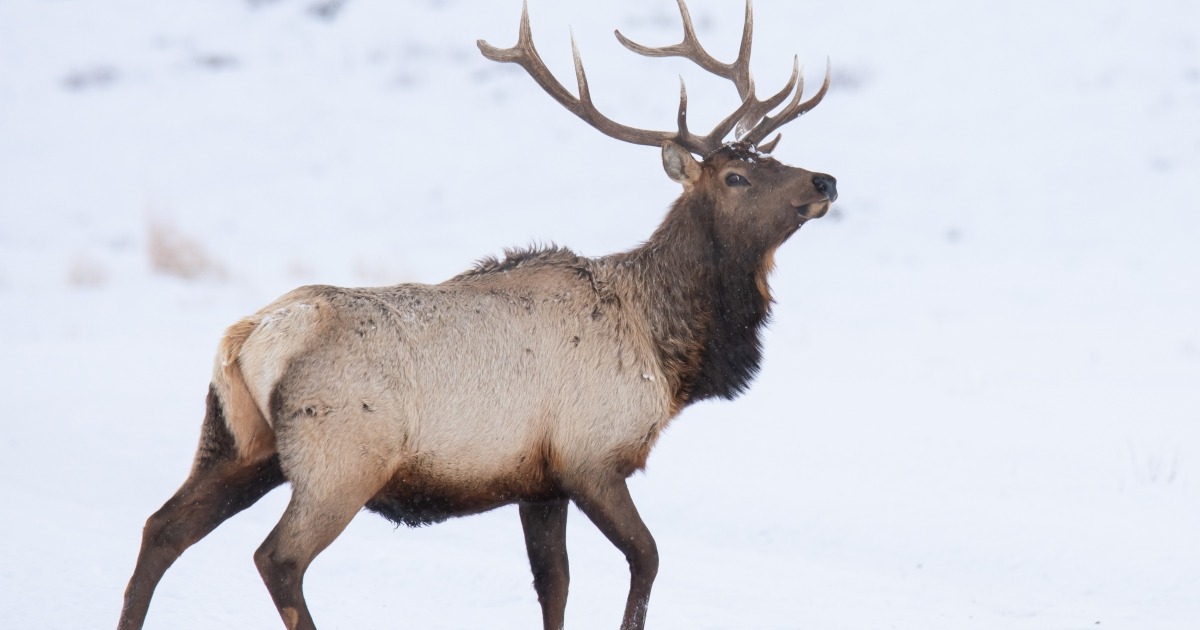
The National Elk Refuge is looking at a new long-term plan for bison, elk and habitat, and this is the kind of wildlife management work that deserves more than a headline skim. Big herds, winter range, disease risk, public access and local economies all collide in places like Jackson Hole. Pretending there is one easy answer is how bad decisions get made.
The U.S. Fish and Wildlife Service released a draft environmental impact statement for an updated bison and elk management plan for the refuge. The plan lays out long-term strategies for managing elk, bison and habitat while also addressing public access and wildlife-dependent recreation.
USFWS says the draft EIS includes four alternative management strategies. Those alternatives look at wildlife health, disease risk, natural habitat restoration, the sustainability of bison and elk herds, the cultural and economic importance of those animals, and recreation on the refuge and in the Greater Yellowstone Ecosystem.
The agency worked with Wyoming Game and Fish, the National Park Service, the U.S. Forest Service, tribes and other partners. Public scoping in 2024 also helped shape the alternatives. Comments on the draft are open through Oct. 13, 2026, with a virtual information session Sept. 15 and an in-person session Sept. 22.
This is what management actually looks like: imperfect choices, real tradeoffs and a need for the public to understand the details. Elk and bison are not managed by slogans. They are managed by habitat, numbers, disease risk, winter conditions and people willing to deal with reality.
Source & further reading
U.S. Fish and Wildlife ServiceRegulations and conditions change. Check current official guidance before you hunt, dive or travel.