
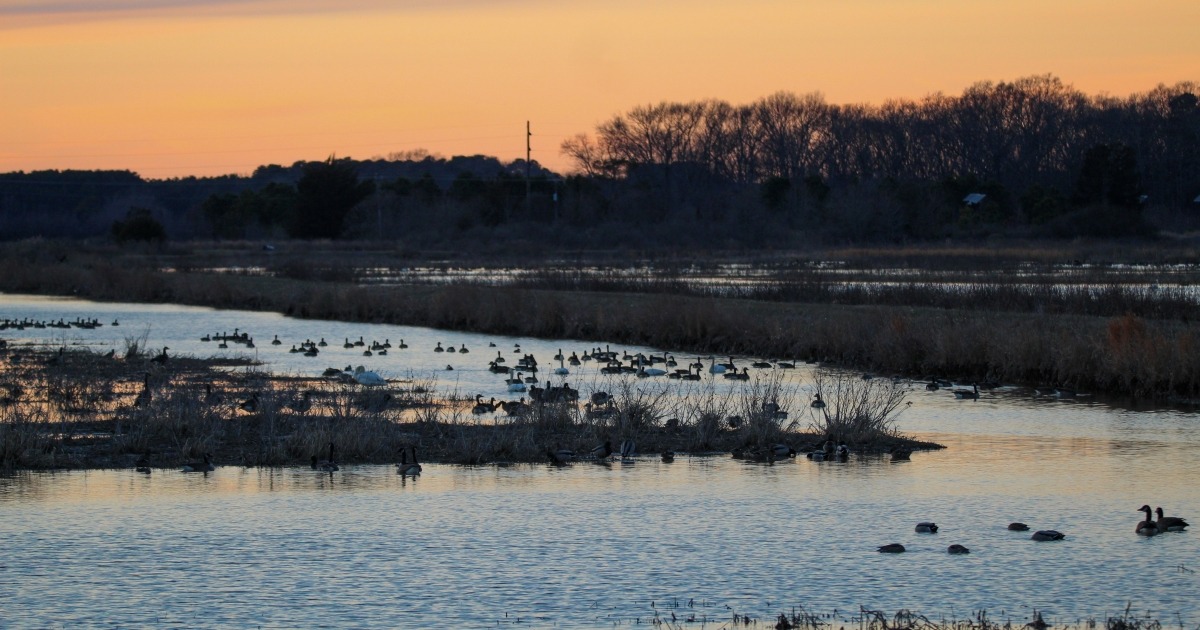
The National Wildlife Refuge System is not just scenery behind a government sign. It is hunting, fishing, habitat work, waterfowl production, public access, volunteers, biologists, and a whole lot of quiet conservation most people never see.
USFWS is using a new Future of Conservation episode to trace the refuge system from Theodore Roosevelt’s 1903 protection of Pelican Island to today’s network of more than 570 national wildlife refuges. The episode also points to the future of refuge hunting, fishing, recreation, mentor hunts, kayak trails, habitat restoration, and partnerships with hunters, anglers, and volunteers.
That part matters. Refuges are not supposed to be locked glass cases where wildlife is watched from a distance and nobody gets dirt on their boots. Many of these places work because people are involved: buying Duck Stamps, following seasons, volunteering, taking new hunters, restoring habitat, reporting problems, and respecting the resource.
Blackwater and Pelican Island are named in the episode, but the larger point reaches every refuge that carries waterfowl, deer, fish, shorebirds, predators, native plants, and public opportunity. Good refuges need science, access, enforcement, habitat dollars, and public support from people who actually use the land and water.
Public land only stays public in a meaningful way when the public shows up for it. Hunters and anglers should be part of that future, not an afterthought.
Source & further reading
U.S. Fish and Wildlife ServiceRegulations and conditions change. Check current official guidance before you hunt, dive or travel.