
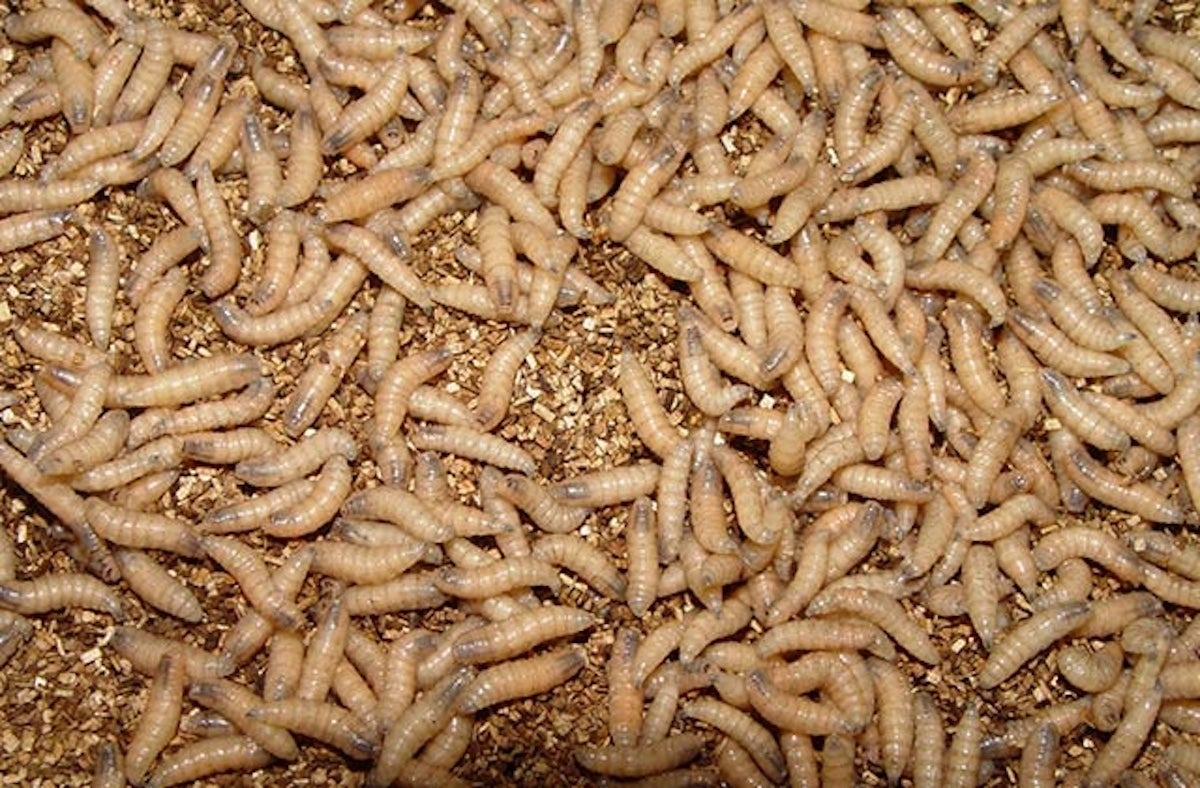
New World screwworm is back in the United States, and this is one of those animal-health issues hunters, ranchers, and wildlife managers need to take seriously without turning it into campfire panic.
The parasite is the larval stage of a fly, not a worm. A female lays eggs in an open wound or body opening, the larvae hatch, and then they feed on living tissue. Left untreated, an infestation can cause severe wounds and death in warm-blooded animals. USDA has confirmed dozens of U.S. infestations, nearly all in Texas with one in New Mexico, involving livestock and pets so far. No wildlife cases have been confirmed in the United States at this point.
That last sentence matters, but it is not a reason to shrug. Researchers in Central America have documented wildlife showing wounds associated with screwworm, including jaguars, pumas, tapirs, deer, peccaries, and other species. The pest moved north through Central America and Mexico after crossing the Darién Gap in 2022, and officials believe movement of infected livestock helped speed that spread.
The good news is that this pest has been beaten before. The United States eradicated New World screwworm decades ago using sterile insect releases, and that same tool is being used again, along with trapping, animal inspections, wildlife surveillance, border monitoring, and treatment of stray livestock.
For people with livestock, dogs, horses, or other animals outside, the practical answer is simple: check wounds, watch for larvae, swelling, foul drainage, or behavior changes, and call a veterinarian if something looks wrong. For wildlife folks, this is another reminder that disease and parasites do not respect fences. Strong surveillance and fast response are part of real wildlife management.
Source & further reading
OutdoorHubRegulations and conditions change. Check current official guidance before you hunt, dive or travel.