NOAA Fisheries has scheduled two national listening sessions for anglers to weigh in on how recreational fishing data are collected. The sessions are part of the Recreational Angler Partnership Improvement Directive, or RAPID, and come ahead of eight regional workshops planned for early 2027.
The first session is December 3, 2026, from 5 to 7 p.m. Eastern. The second is December 9, from 8 to 10 p.m. Eastern. NOAA’s RAPID information page, updated November 19, provides a separate registration link for each session. The agency describes the meetings as a chance to get background on the process, ask questions and offer comments before regional planning gets underway.
For saltwater anglers, the stakes are practical. Estimates of recreational catch and fishing effort help inform stock assessments and fisheries management. RAPID is intended to improve the reliability of those estimates while giving states and regions more flexibility in how they collect data. It is a planning process, not an announcement of new bag limits or fishing seasons.
NOAA says state, regional and federal partners will jointly develop the new framework. The work includes identifying data needs, refining national standards for quality and transparency, and developing regional collection and governance plans. The agency says the process has no predetermined outcome; changes will depend on the partnership’s recommendations.
Anglers who cannot attend a listening session still have a route to participate. NOAA’s page links to a written-comment form, and the agency says comments can also be submitted through regional workshop event pages until the end of March 2027. Verbal and written comments will be collected at the listening sessions and during public-comment portions of the workshops. NOAA says comments will be considered by the RAPID team and compiled as part of regional workshop summaries.
The eight workshops are planned for January through March 2027. NOAA cautions that dates and locations may change, so use the agency’s regional links for current details rather than treating the preliminary schedule as fixed. The transition process is expected to finish by summer 2027, when implementation of action plans would begin.
Existing federal and state recreational fishing surveys will continue during RAPID. If new surveys are developed, NOAA says existing surveys will serve as a bridge to avoid abrupt management changes. Participating in this process does not replace current reporting duties or change the fishing regulations that apply on the water.
The useful next step is to pick a session and register through NOAA, or submit a specific comment about the data needs and survey experience in your fishery. These are opportunities to contribute to the collection system before regional plans are completed—not a promise that any particular regulation will change.
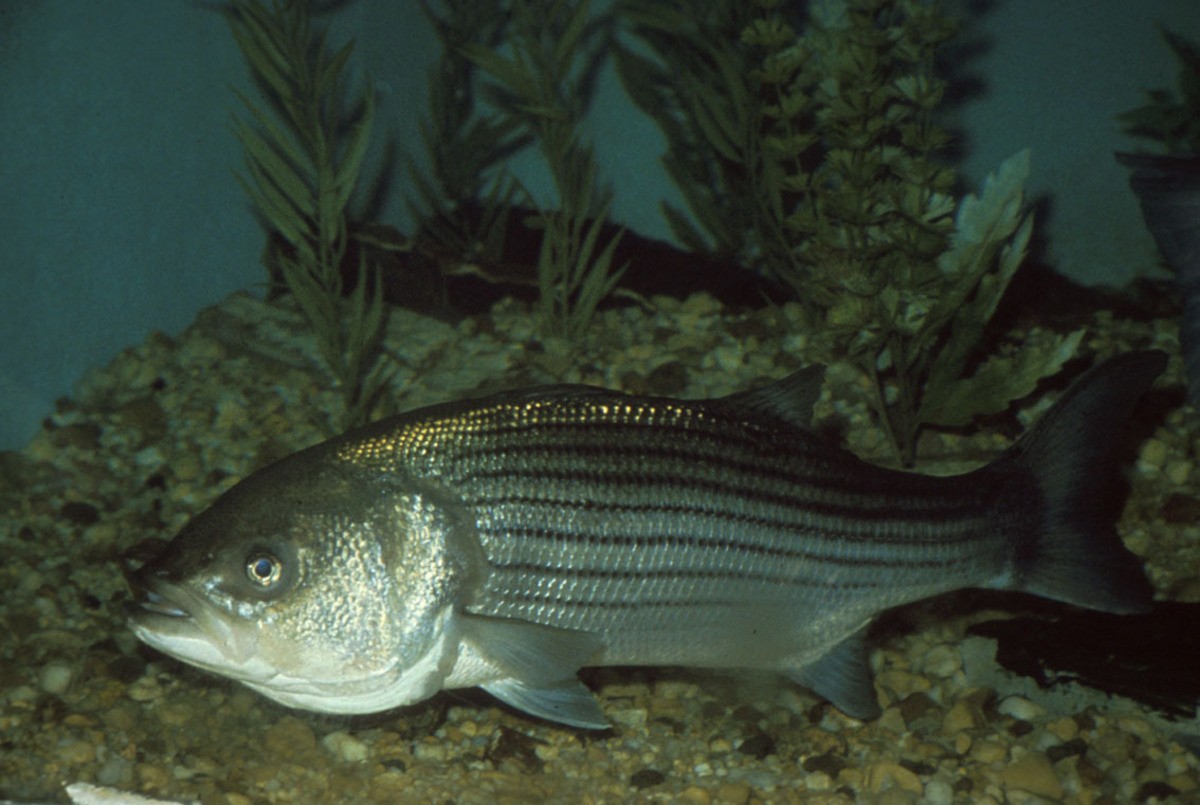
Illustrative file photo: striped bass, courtesy of the U.S. Fish and Wildlife Service. The FWS image record identifies the photograph as public domain; it does not depict a RAPID meeting or a new catch-limit decision.
Source & further reading
NOAA FisheriesRegulations and conditions change. Check current official guidance before you hunt, dive or travel.
As an Amazon Associate I earn from qualifying purchases.