
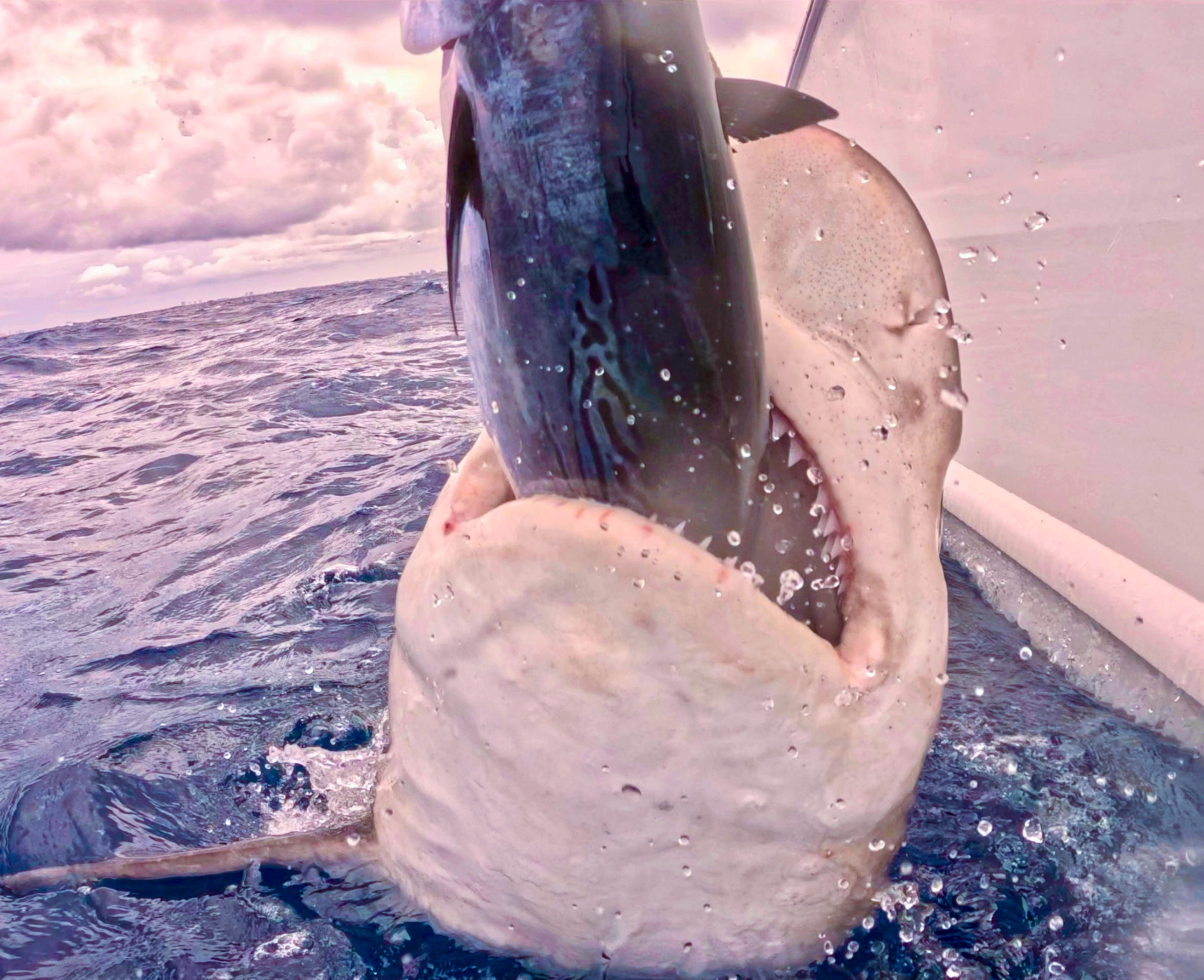
Shark depredation is not just a dockside complaint. It is a real fisheries management problem.
NOAA Fisheries highlighted a new scientific study looking at 100 years of shark depredation in Atlantic recreational fisheries from Maine to Texas and the U.S. Caribbean. Depredation is when a shark bites or takes a hooked fish before an angler can land it. Any fisherman who has watched a legal fish get eaten beside the boat knows exactly how frustrating that is.
The study pulled together published reports, angler surveys, and even social media observations to understand where this conflict is showing up and which species are involved. The researchers identified at least 51 recreational fish stocks affected by 22 shark species. Bull sharks and sandbar sharks showed up most often. Under current NOAA rules, bull sharks may be harvested, while sandbar sharks generally may not be retained by anglers.
That detail matters because this is not as simple as saying there are too many sharks or that every shark should be killed. Sharks belong in the ocean. They are apex predators, and healthy marine ecosystems need predators. But pretending their impact disappears because it is inconvenient for a spreadsheet is not management either. A snapper, grouper, tuna, or other fish that gets eaten on the line is still dead. In some cases, those losses are not fully captured in the data used to manage fisheries.
That is where fishermen have been asking for honesty. If an angler hooks ten fish and sharks eat several before the legal limit makes it to the boat, the actual impact is bigger than the number of fish in the cooler. It means more fuel burned, more time on the water, more released or dead fish, and a management picture that may not match what is happening in real life.
The study also makes clear there is no one-size-fits-all fix. Different shark species, different regions, different target fish, and different rules all overlap. NOAA pointed to continued testing of shark deterrents, better data, and optimizing harvest of sustainable shark fisheries as possible parts of the solution.
That is the right direction. Not panic. Not emotion. Not pretending fishermen are making it up. Just honest data, practical tools, and management that recognizes predator-prey conflict does not stop at the waterline.
Have you seen shark depredation getting worse where you fish?
Source & further reading
NOAA FisheriesRegulations and conditions change. Check current official guidance before you hunt, dive or travel.