
Oregon is heading into a hard summer for cold-water fish, and anglers should not shrug it off.
Low snowpack, drought, and warm water are putting salmon, steelhead, and trout under real stress. The Oregon Department of Fish and Wildlife has been warning anglers to adjust where, when, and how they fish so the resource does not take a bigger hit than it has to. That is not anti-fishing. That is responsible fishing when conditions get ugly.
Cold-water fish are built for cold water. When flows drop and temperatures climb, fish burn energy faster, recover slower, and become more vulnerable to disease. ODFW pointed to columnaris disease as one of the concerns in warm water, and anyone who remembers the 2015 drought should understand why that matters. Heat and low water can turn a tough season into a fish-kill season fast.
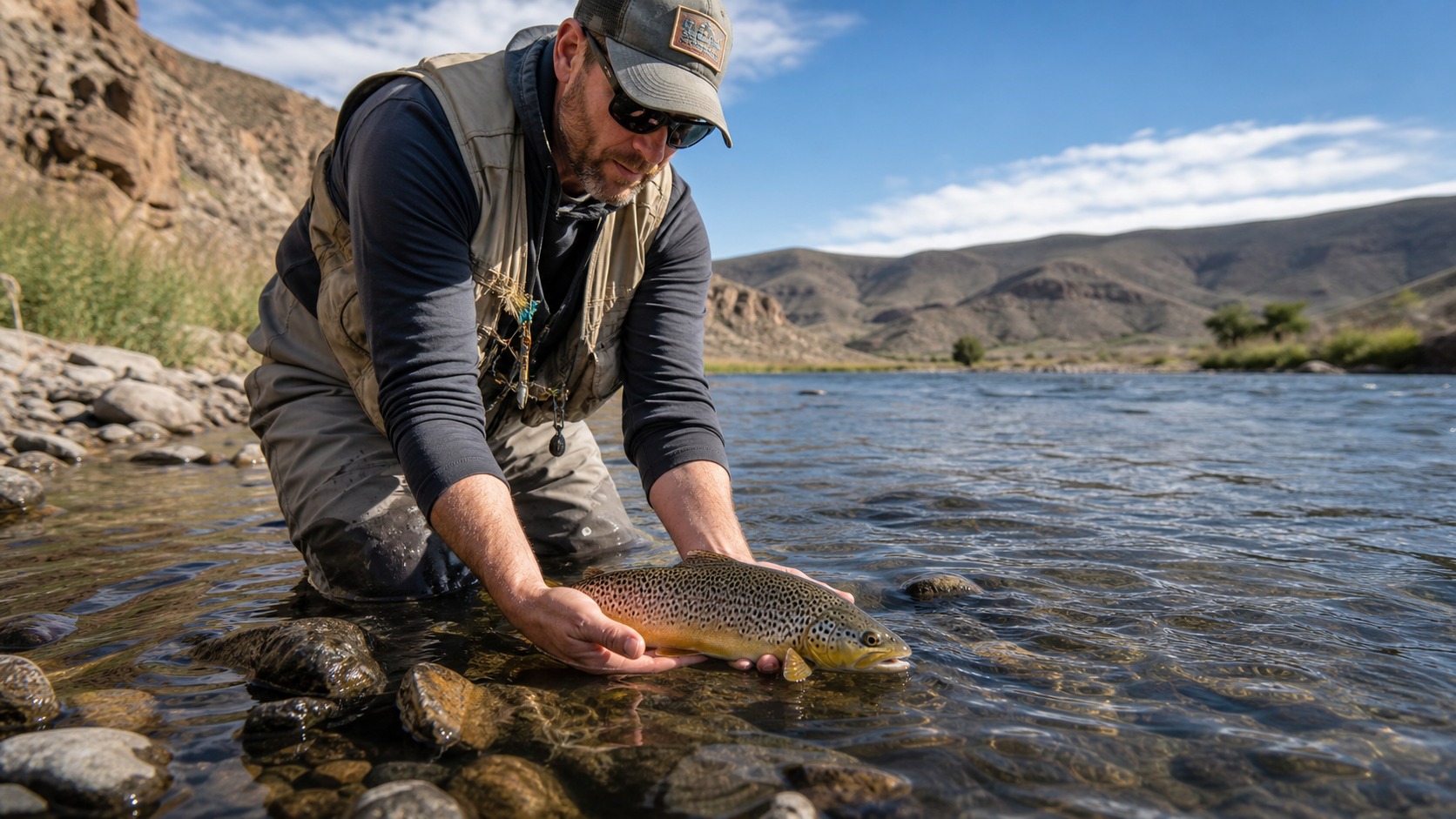
The practical message is pretty simple. Fish early. Watch water temperatures. Handle fish quickly. Keep them wet. Avoid dragging stressed fish into warm shallows for a photo. If a fishery is getting hammered by heat, go somewhere else or switch targets. There is nothing weak about making that call. It is the kind of judgment good anglers are supposed to have.
ODFW has also adjusted some rules where it makes sense. Some warm-water reservoirs can handle more harvest, and anglers are being encouraged to take fish where those opportunities line up with management goals. That is the part people miss when they treat conservation like one big no-touch rule. Sometimes conservation means laying off stressed salmonids. Sometimes it means harvesting fish from places that can take it. The details matter.
Fishermen are usually the first ones to notice when a river feels wrong. Lower flows, warmer pools, slower bites, sick fish, and crowded refuges tell a story before a press release ever does. That on-the-water knowledge needs to be part of the conversation.
This is a good reminder that access and responsibility go together. If we want to keep fishing through tough years, we have to be honest about what heat, drought, and pressure do to fish, and we have to act like the resource matters more than one more picture.
Source & further reading
OutdoorHubRegulations and conditions change. Check current official guidance before you hunt, dive or travel.