
The Pearl River just got another push toward bringing back a native sport fish that belongs there.
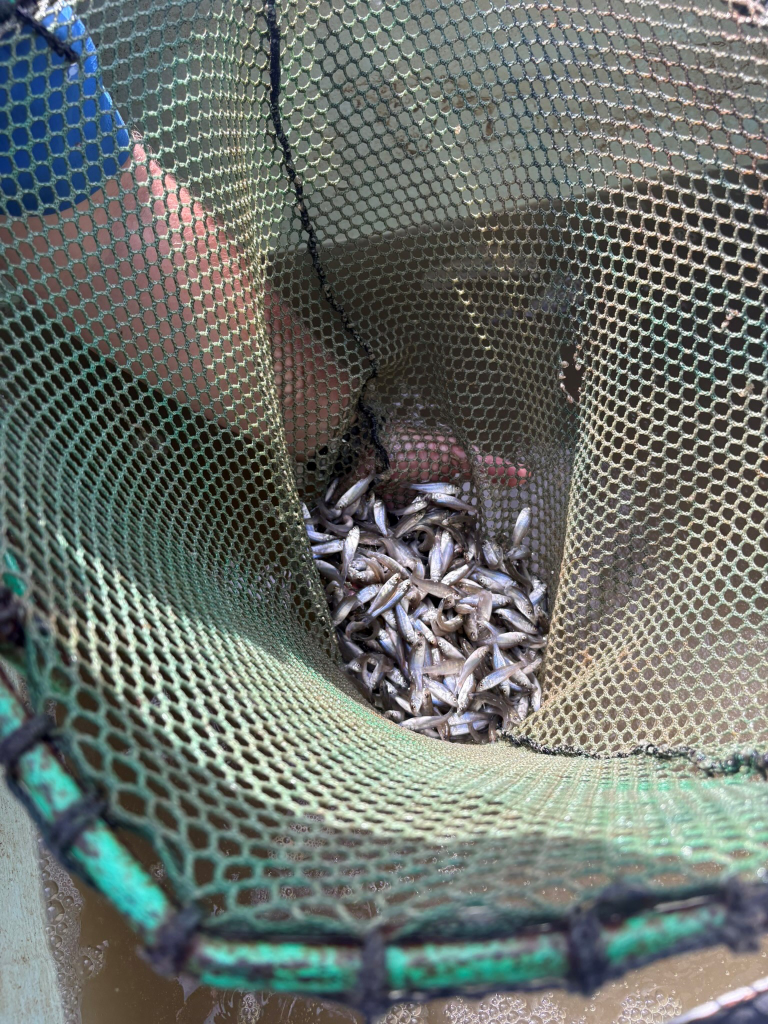
The Louisiana Department of Wildlife and Fisheries, working with the U.S. Fish and Wildlife Service, Mississippi Department of Wildlife, Fisheries, and Parks, and the Gulf Striped Bass Working Group, released 5,500 Gulf Strain Striped Bass into the Pearl River on June 4. The bigger goal is to restore a strong Gulf Strain striped bass population that can support a recreational fishery.
These fish did not just appear out of a bucket. They were spawned at Blackwater Fish Hatchery in Holt, Florida, then moved as fry to Private John Allen National Fish Hatchery in Tupelo, Mississippi. There, they were raised in grow-out ponds until they reached roughly two inches before being stocked into the Pearl River.
That is real fishery work: broodstock, hatcheries, transport, stocking, genetics, telemetry, and years of follow-up before anyone knows how well the effort is paying off. LDWF biologists have also placed acoustic tags in adult striped bass for a movement study and collected genetic samples to monitor the strain in the Pearl River Basin.
Anglers have a role too. LDWF is asking fishermen east of the Mississippi River, including Lake Maurepas, Lake Pontchartrain, Lake Borgne, the rivers that drain into those lakes, and the entire Pearl River system, to submit biological information from striped bass catches through the Striped Bass Collaborative Anglers Project. That is how dockside knowledge gets turned into useful management data.
This is the kind of conservation fishermen should support. Not every restoration project is about shutting people out. Sometimes it is about rebuilding a fishery so the public can use it again, legally and responsibly. A native striped bass that can survive, reproduce, and eventually provide a better recreational fishery is good for the river and good for anglers.
The work will not be instant. Two-inch fish have a long road ahead of them. But if the habitat, genetics, stocking, and angler data line up, the payoff could be a healthier Pearl River system and a fishery worth passing down.
Source & further reading
The Fishing WireRegulations and conditions change. Check current official guidance before you hunt, dive or travel.