
A 35-year-old burn scar in Pennsylvania is getting the kind of habitat work that benefits more than one species and does more than look good in a press release.
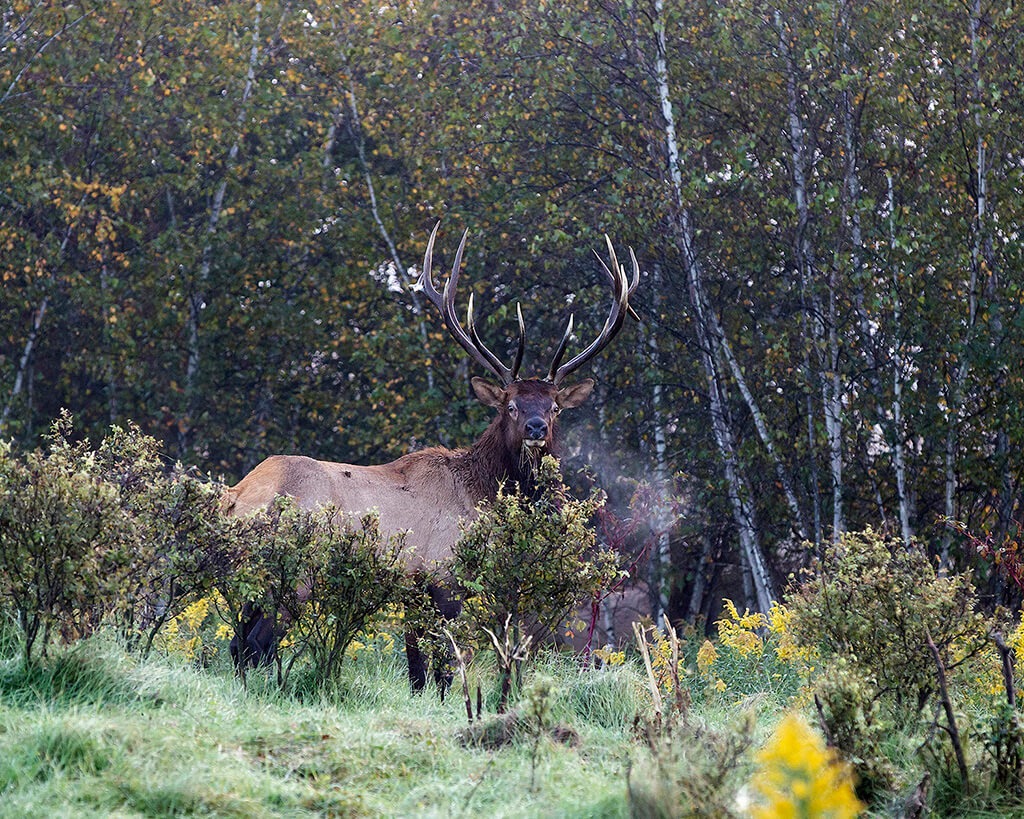
In the Pennsylvania Wilds, a ruffed grouse stronghold overlaps with the state’s elk range and sits near important woodcock and brook trout habitat. RMEF put $50,000 into work with the Ruffed Grouse Society and American Woodcock Society, the Pennsylvania Bureau of Forestry, and other partners to improve habitat on Sproul State Forest.
The focus is the Two Rock Run area, where an unplanned fire burned about 10,000 acres roughly 35 years ago. After the fire and salvage work, parts of the stand got stuck in poor condition, with red maple, black birch, pin cherry, blackberry, and huckleberry dominating while better oak regeneration struggled. Managers say the stand can remain in arrested succession without active work.
The initial project covers 265 acres. Crews will remove less desirable trees, especially short, small-diameter red maple, and break treatments into 50- to 75-acre blocks while leaving some stands uncut. The goal is a patchy habitat mosaic with better early-successional cover, stronger oak regeneration, more browse for elk, and better conditions for grouse, golden-winged warblers, and other wildlife.
That is what real conservation often looks like: not locking the gate and pretending the forest will magically fix itself, but putting saws, planning, funding, and habitat knowledge to work.
Hunters understand this because we see the difference on the ground. Grouse need young forest. Elk need browse. Deer use mast and edges. Woodcock need the right cover. Brook trout need healthy headwaters. None of that happens by accident on every acre, especially after fire, heavy browsing, and decades of stalled regeneration.
Public wildlife needs public investment, but it also needs people willing to accept active management. Cutting trees can be conservation. Creating openings can be conservation. Letting oak get a chance to grow can feed elk, deer, bears, turkeys, squirrels, grouse, and songbirds long after the equipment leaves.
If we want better hunting and healthier wildlife, habitat work has to stay at the center. Tags and seasons matter, but animals still have to eat, hide, nest, and raise young somewhere worth living.
Source & further reading
Rocky Mountain Elk FoundationRegulations and conditions change. Check current official guidance before you hunt, dive or travel.