
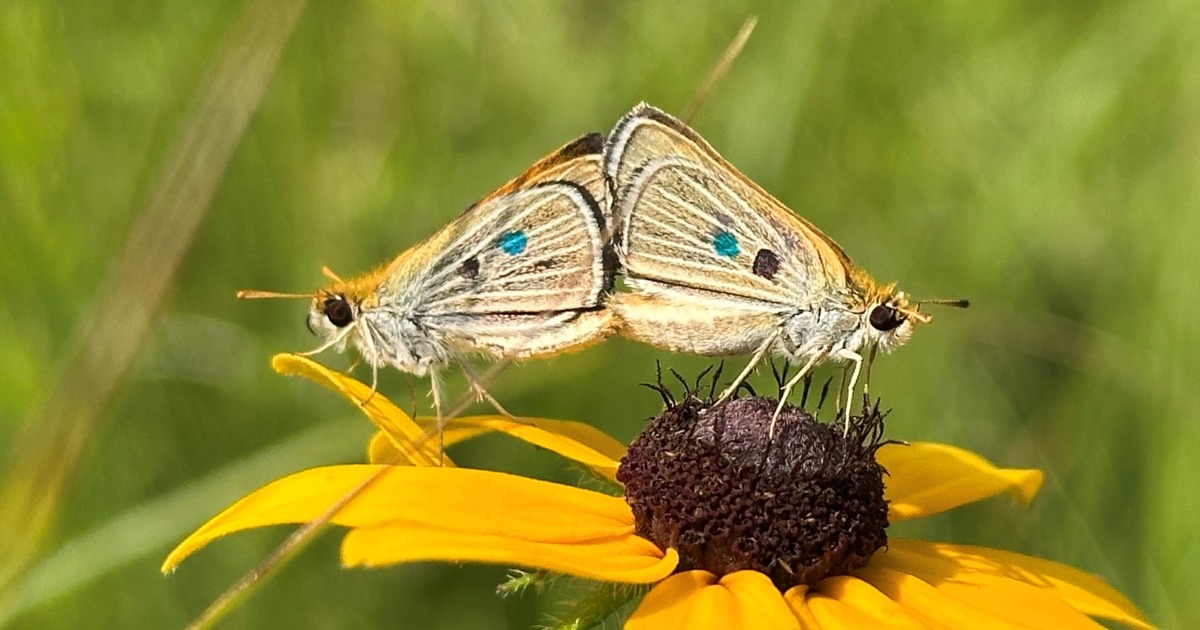
The U.S. Fish and Wildlife Service and its partners are releasing about 1,500 zoo-reared Poweshiek skipperlings into restored prairie fens in Michigan and Manitoba this summer. It is the first reintroduction of this endangered butterfly within the United States, and it is a reminder that habitat work is still the backbone of conservation.
The Poweshiek skipperling used to live across unplowed prairie habitat from the Dakotas to Indiana. Now USFWS says it hangs on in only one Michigan county and one prairie in Manitoba. That is what happens when native habitat gets broken up, drained, plowed, and reduced to postage stamps. By the time most people notice a small species disappearing, the real damage has usually been happening for decades.
This recovery effort is not just a feel-good release. Since 2015, the Minnesota Zoo, Assiniboine Park Zoo, John Ball Zoo, federal and state biologists, universities, conservation groups, and international partners have been learning how to raise the species in human care. Released butterflies are marked with tiny color codes so researchers can track movement, survival, and breeding.
That is serious, hands-on wildlife work: breed them, restore the habitat, release them, measure results, and adjust based on what the data says. The project is supported in large part by the Great Lakes Restoration Initiative, with additional help from zoo and conservation partners.
Hunters and fishermen should care about this kind of story even if they never chase a butterfly in their life. The same principle protects ducks, deer, elk, trout, pheasants, pollinators, and every other wild thing that needs functioning habitat. No habitat, no wildlife. It really is that simple.
Source & further reading
U.S. Fish and Wildlife ServiceRegulations and conditions change. Check current official guidance before you hunt, dive or travel.