New York reopened paddle-in campsites 5 through 11 on Long Pond in the Saint Regis Canoe Area after a nuisance black bear was euthanized. The campsites had been closed while the bear was active along the western and north shores.
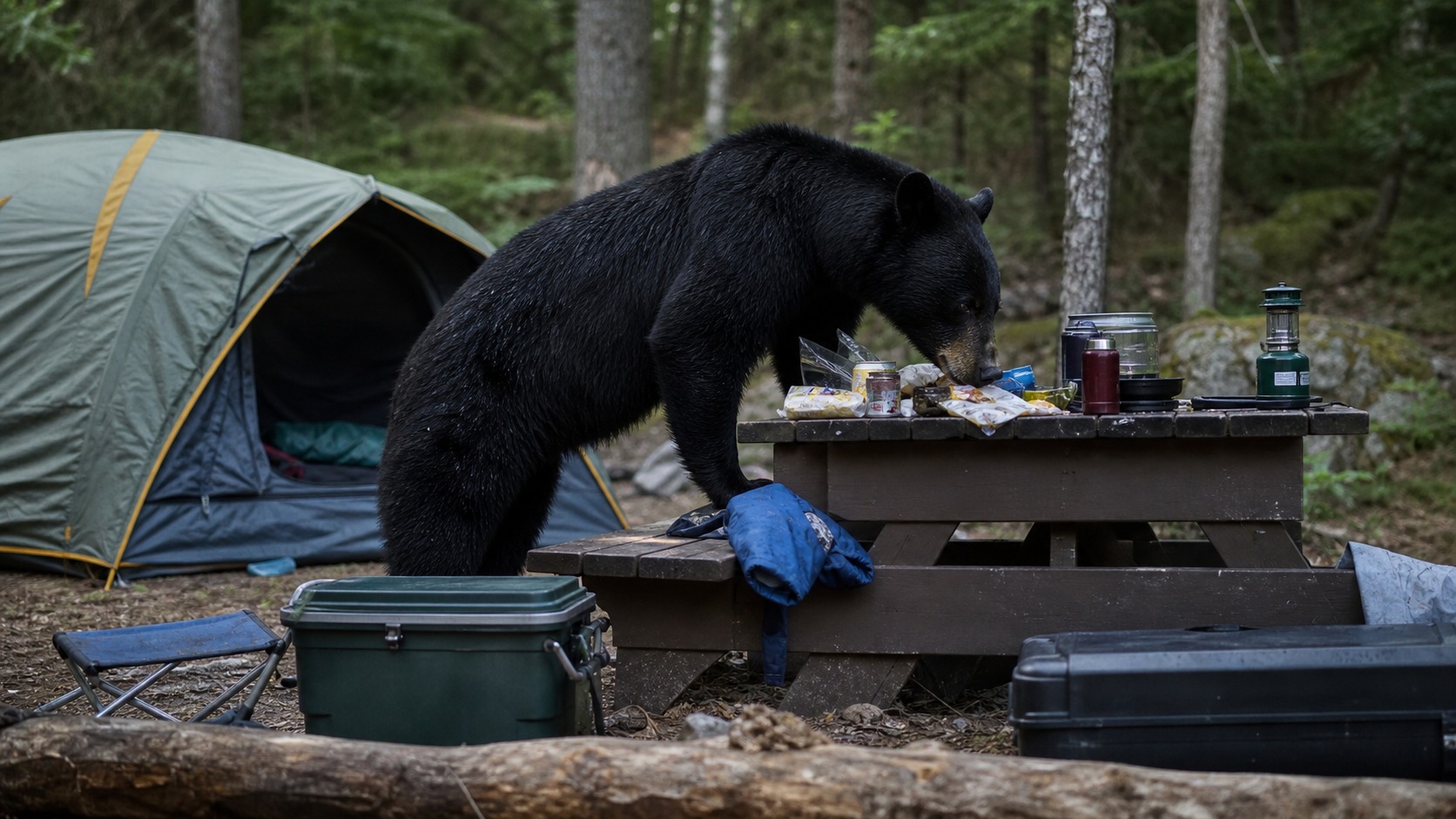
This was not a bear wandering through the timber minding its own business. The animal had built a pattern of approaching people for food, damaging tents and food storage containers, showing little fear of humans, and blowing through deterrents like bear spray and loud noise. Once a bear learns that camps mean food and people are not a threat, the situation usually gets worse, not better.
Nobody should celebrate a bear getting killed because campers failed at the basics. But wildlife managers also cannot gamble with public safety in remote paddle-in country. The Saint Regis Canoe Area is the only designated canoe area in New York, and the same remoteness that makes it special means help is not right around the corner when a food-conditioned bear starts pushing into camp.
The lesson is old and still ignored: store food like your trip depends on it, because sometimes a bear’s life does too. Do not feed wildlife. Do not leave food, trash, fish scraps, or scented gear where a bear can get rewarded. Use proper storage, keep a clean camp, and report aggressive or unusual behavior before it turns into a closure or a dead bear.
Black bears belong on the landscape. Food-conditioned bears around campsites become a public-safety problem created by people and solved by wildlife staff who usually get blamed for doing the ugly part. Camp clean, or do not act shocked when the bill comes due.
Source & further reading
OutdoorHubRegulations and conditions change. Check current official guidance before you hunt, dive or travel.