
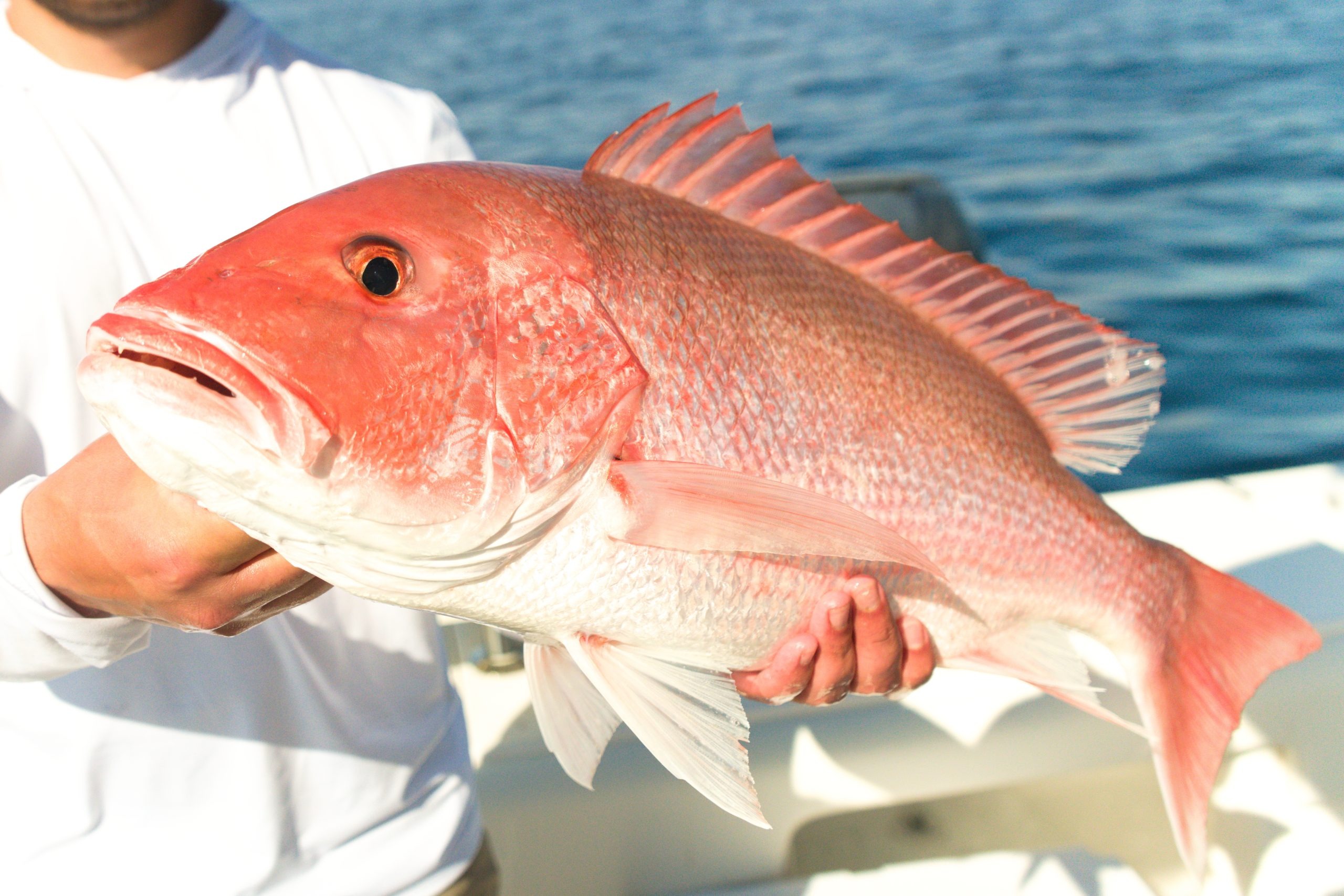
South Atlantic red snapper has been one of the clearest examples of what happens when fishermen can see fish on the water but the management system still hands them seasons measured in hours or days. That kind of disconnect breeds distrust, and for good reason.
Florida, Georgia and South Carolina have renewed applications for exempted fishing permits aimed at creating fall recreational red snapper opportunities in the South Atlantic. NMFS previously approved summer EFPs, but those seasons were stopped in federal court. The states came back with revised applications meant to address the court’s concerns.
The plan is not just about letting people catch fish. The states say the expanded opportunities would collect better data on the stock and recreational effort, help inform future management and spread fishing pressure out instead of forcing everyone into a tiny weather gamble. That safety angle matters. Compressed seasons put boats on the water when the calendar says go, not always when the weather says it is smart.
FWC, Georgia DNR and South Carolina DNR are also positioning themselves for more responsibility in federal waters off their coasts. If state agencies can gather cleaner data and manage opportunity without ignoring conservation, that deserves a serious look.
Red snapper management should be built on abundance, accountability and usable data, not stale assumptions and token seasons. Recreational anglers are not asking for a free-for-all. They are asking for rules that match what is actually happening in the fishery and still keep the stock healthy for the next run.
Source & further reading
Sportsmen's AllianceRegulations and conditions change. Check current official guidance before you hunt, dive or travel.