
Public land deals deserve more than a rubber stamp, especially when wildlife refuge ground is involved.
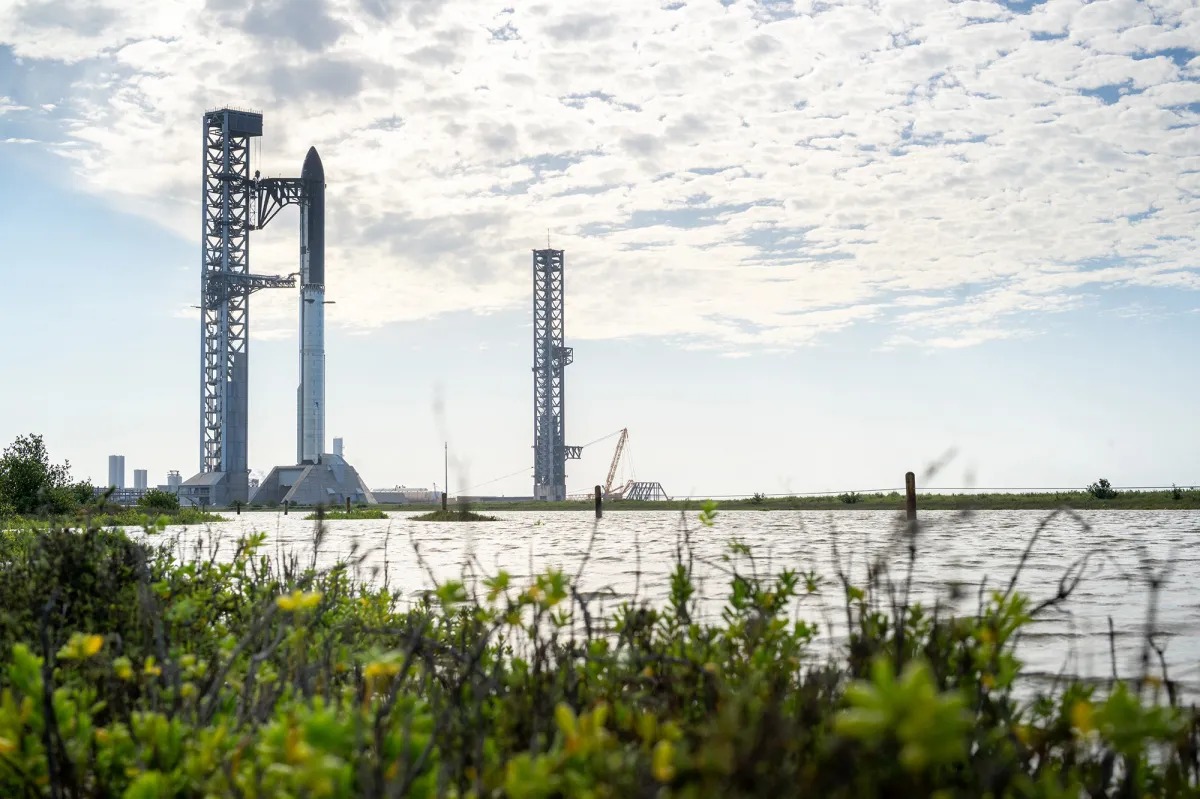
A land exchange between SpaceX and the U.S. Fish and Wildlife Service in South Texas is now being challenged in federal court. The deal would move 683 acres of private SpaceX land into federal ownership, while SpaceX would receive 715 acres from the Lower Rio Grande Valley and Laguna Atascosa national wildlife refuges near Boca Chica. USFWS issued a finding of no significant impact, saying the exchange would consolidate fragmented refuge holdings, reduce land-use conflicts, and protect tidal marsh, saline prairie, thornscrub, coastal flats, wetlands, and shoreline habitat.
Environmental groups see it differently. They argue the swap permanently removes public refuge land and did not get the level of review required under federal law. That is what the lawsuit is about. Not rockets in general. Not whether private industry can exist near wildlife. The real question is whether a public wildlife refuge can give up land to a powerful private company without the public getting a clear, honest look at the long-term tradeoff.
Sportsmen should care about that. National wildlife refuges are not leftover dirt. They are part of the public estate, and many of them exist because hunters, anglers, conservationists, biologists, and local communities fought to protect habitat that still matters. Coastal refuge ground in Texas supports birds, fisheries, wetlands, migration corridors, water quality, and the kind of wild places that disappear fast once development pressure gets a foothold.
That does not mean every land exchange is bad. Some swaps are legitimate conservation wins. If a trade blocks in scattered parcels, protects better habitat, improves access, or cleans up boundaries that make management difficult, it can make sense. But the burden should be on the agency and the applicant to prove the public is getting a better deal, not just a convenient one.
This is where hunters and fishermen need to stay consistent. If we believe public land belongs to the public when it comes to access, hunting, fishing, and habitat, then we should also believe it when a politically connected company wants a piece of it.
Good conservation is not anti-business, but it is also not blind trust. Public refuge land should only be traded when the science, the process, and the public benefit are strong enough to stand in daylight.
Source & further reading
Outdoor LifeRegulations and conditions change. Check current official guidance before you hunt, dive or travel.