
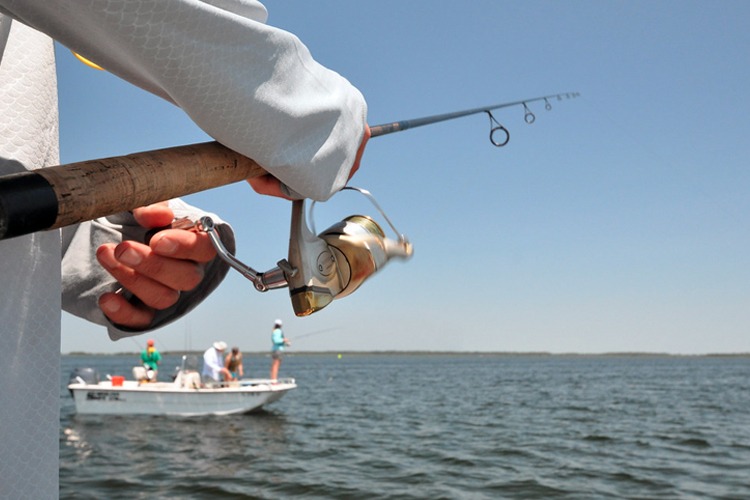
If fishermen are not in the room, fishing gets managed by people who may never feel the cost of a bad rule.
NOAA Fisheries opened nominations for the Sport Fishing and Boating Partnership Council. It is one of those agency updates that is easy to scroll past, but these boards and councils matter. They help shape how recreational fishing and boating issues get discussed at the federal level, and those discussions eventually show up as access decisions, season structures, reporting rules, and management priorities.
Anyone who fishes saltwater long enough knows there is often a gap between spreadsheet management and what happens on the water. Fuel is expensive. Weather windows are limited. Gear gets lost. Fish move. Sharks and protected species take fish before they ever reach the boat. A regulation can look clean on paper and still fail the people who are actually trying to follow it.
That does not mean fisheries should not be managed. They absolutely should. Healthy fisheries need limits, enforcement, data, and restraint. But they also need input from people who understand the practical side of fishing. If the only voices agencies hear are from groups that see harvest as the problem, the result will usually be less access, less trust, and more frustration from the people paying for the resource.
Recreational fishermen are not asking for a free pass. Most of them want healthy stocks, honest data, fair seasons, and rules that make sense in the real world. That requires people who fish to stay involved before the decisions are final.
If you fish, especially offshore, pay attention to these advisory opportunities. Management is going to happen either way. The question is whether the people making recommendations understand what a day on the water actually looks like.
Source & further reading
NOAA FisheriesRegulations and conditions change. Check current official guidance before you hunt, dive or travel.