
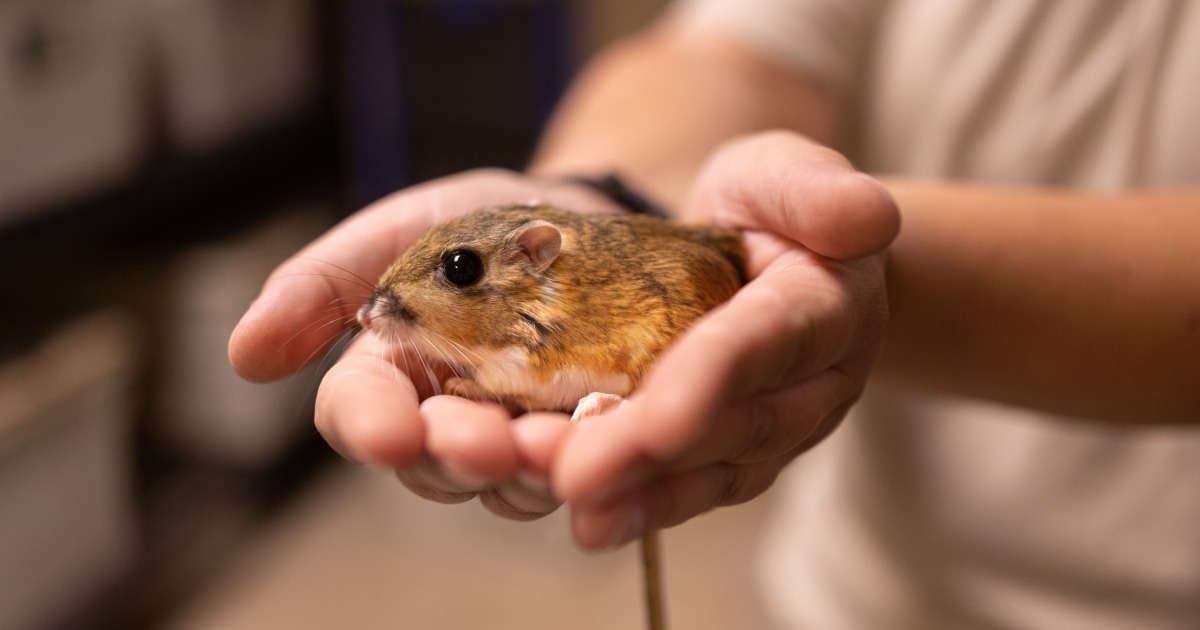
The Texas kangaroo rat is a tiny nocturnal rodent from the Rolling Plains that moves like its name says, hopping on its hind legs and using a long white-tipped tail for balance. It is not a game animal, but its story still matters to anyone who cares about working land, habitat, and keeping conservation grounded in reality.
This species was first documented in Clay County, Texas, in 1894. Historically it showed up in eleven North Central Texas counties and two Oklahoma counties. Since 2000, it has only been confirmed in five Texas counties. Texas listed it as threatened under state law back in 1977, and it was petitioned for federal Endangered Species Act listing in 2010. Biologists are worried because the range has shrunk and the animal is hard to find.
The good news is that the work is not just another paperwork exercise. The U.S. Fish and Wildlife Service is working with the Fort Worth Zoo, Texas Parks and Wildlife Department, academic researchers, and private landowners to better understand the animal, maintain a small captive population, and develop propagation tools that could eventually help wild populations. The Fort Worth Zoo had its first successful breeding effort with the species in 2021.
Habitat is the whole ballgame. Texas kangaroo rats use burrows, short grass, bare ground, and seed-producing plants. Much of that country is private land, which means recovery depends on cooperation instead of pretending Washington can manage every acre from a desk. Landowners who know their roads, pastures, grazing patterns, and wildlife sign are part of the solution.
That is the conservation model that works best: science, local knowledge, willing landowners, state and federal partners, and habitat work that makes sense on the ground. Big or small, wildlife needs places to live before any law can save it.
Source & further reading
U.S. Fish and Wildlife ServiceRegulations and conditions change. Check current official guidance before you hunt, dive or travel.