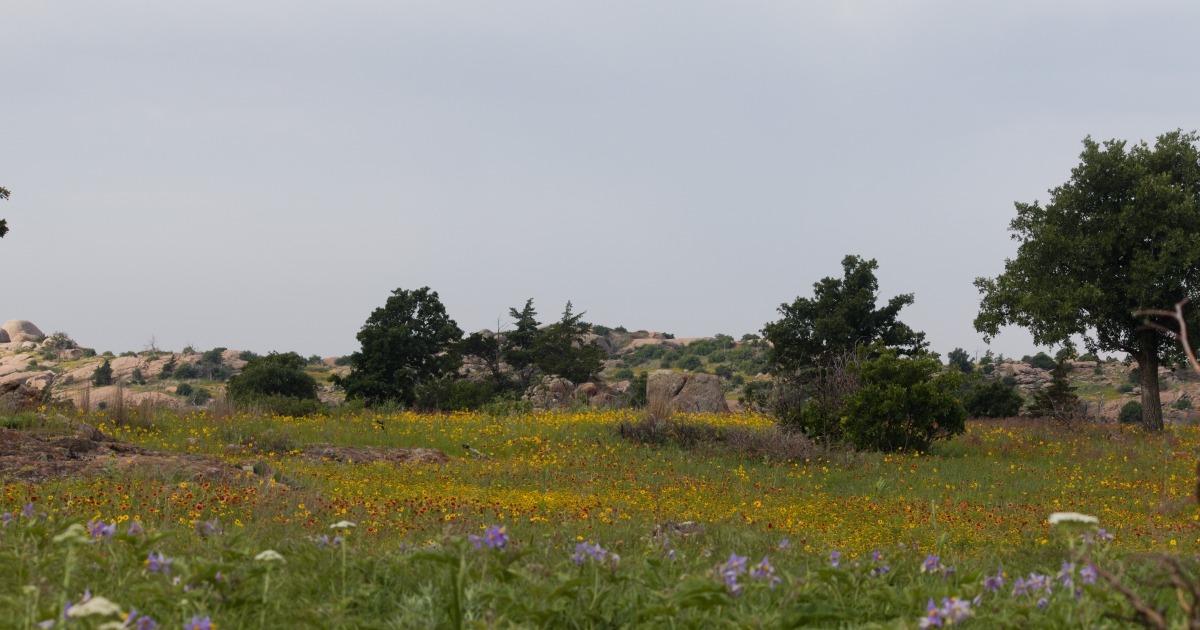
Wichita Mountains Wildlife Refuge is closing portions of public-use areas July 6-10 while crews conduct aerial feral swine control, and this is exactly the kind of wildlife management that sounds harsh only to people who do not understand the damage invasive hogs do.
USFWS says the work is weather dependent and will use one helicopter with specially trained U.S. Department of Agriculture personnel. Refuge roads are expected to remain open, but closed areas include portions of Burma Road south of Boulder picnic area, Narrows Trail, Quetone Point, Parallel Forest, Mt. Scott Canyon south of the Mt. Scott picnic area, and the area west of Sunset Peak. Staff plan to reopen those areas after control operations stop.
The reason is simple: feral swine are not native wildlife. They root, wallow, tear up habitat, compete with native animals for food, eat native plants, insects, frogs, moles, and ground-nesting bird eggs, and leave damaged ground vulnerable to erosion and more invasive plants. They can also carry disease into native wildlife.
Oklahoma is estimated to have 600,000 to 1.5 million feral swine. That is not a few stray pigs. That is a landscape-scale invasive problem with a high reproductive rate and no natural predator capable of keeping up.
The refuge has used aerial control since 2015 because some areas are hard to reach any other way. That is not about sport. It is about protecting habitat, native wildlife, and the public resource from an animal that was brought here by people and now costs landowners, agencies, and wildlife every year.
Legal hunters know the difference between game management and invasive-species control. Deer, elk, ducks, turkeys, and fish get seasons, limits, and rules built around sustainable use. Feral hogs are a different problem. When they are tearing up a refuge, managers need tools that work.
If you are headed to Wichita Mountains this week, check closures and stay out of work areas. Let the crews do their job. Conservation is not always pretty, but pretending hog damage will fix itself is not conservation at all.
Source & further reading
U.S. Fish and Wildlife ServiceRegulations and conditions change. Check current official guidance before you hunt, dive or travel.