
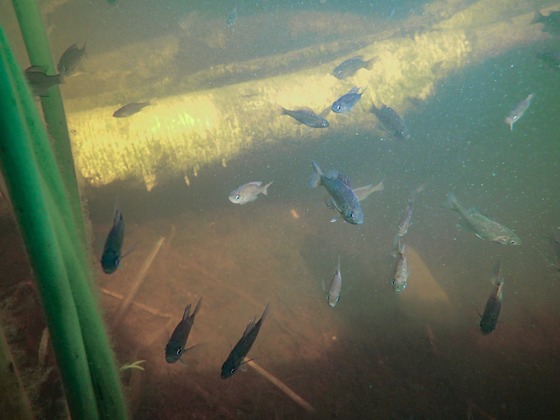
Wisconsin’s long-running fish-sticks research just picked up a national Sport Fish Restoration Project Award, and the takeaway is simple: habitat work is not window dressing. Done right, it can put more fish in the water.
The Wisconsin DNR project on 92-acre Sanford Lake in Vilas County has been studying what happens when fallen trees are added back along the shoreline. Those tree drops give fish cover, break up sterile edges, add nutrients as they decompose, and rebuild some of what lakes lose when shorelines get cleaned up for cabins, lawns, and docks.
DNR fisheries research team leader Greg Sass said the project was built around a question anglers and biologists have argued over for years: do habitat additions just attract the fish already there, or do they help grow the fish population? On Sanford Lake, the DNR says adding trees doubled the number of fish the lake can support.
That matters well beyond one lake in Wisconsin. Across the country, too many shorelines have been stripped clean because people want a tidy view. Fish do not live in tidy. They live in cover, shade, wood, weeds, structure, and food chains that start with healthy edges.
Sport Fish Restoration dollars are supposed to go toward real fisheries work, and this is a good example of that money doing what anglers paid for. If we want better fishing, we cannot just talk about limits and stocking trucks. We have to protect and rebuild the habitat that lets fish survive, spawn, hide, feed, and grow.
Source & further reading
The Fishing WireRegulations and conditions change. Check current official guidance before you hunt, dive or travel.