
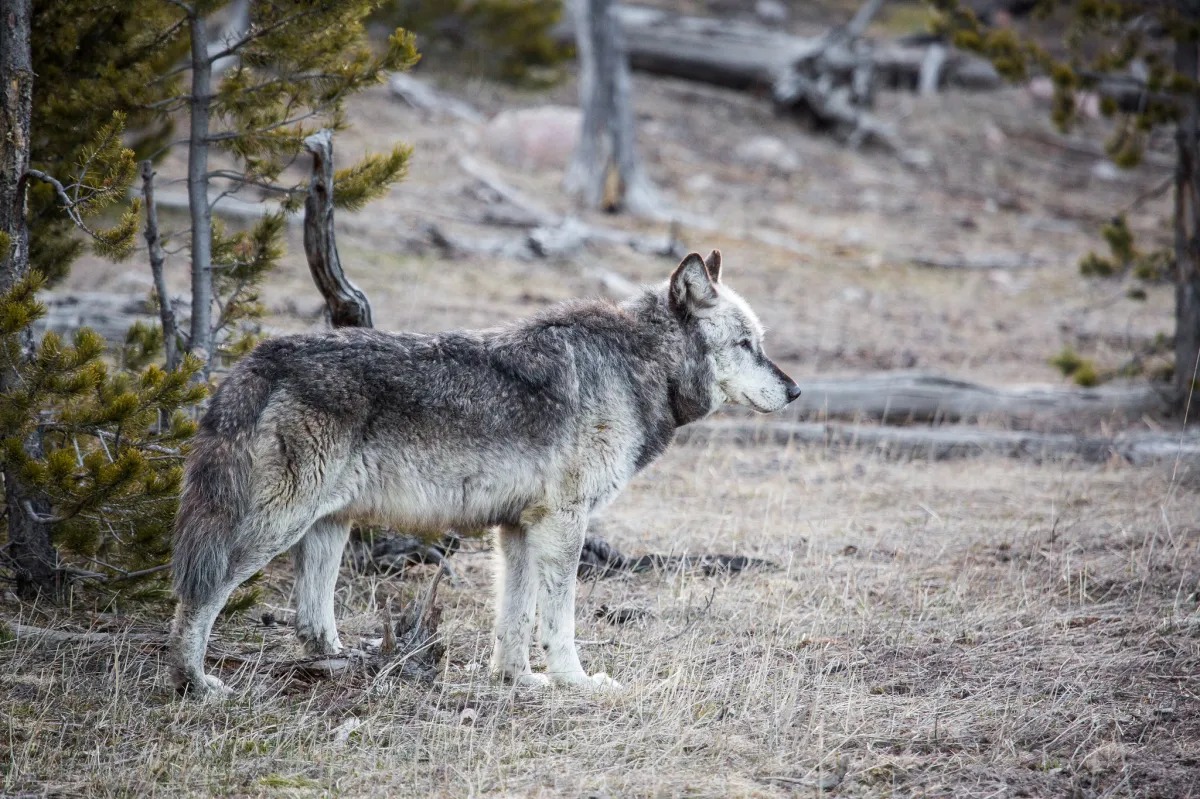
Predator management gets a lot harder when rumor starts replacing biology.
A new round of attention on Wyoming wolves has brought back an old claim that the wolves reintroduced to the Northern Rockies were some kind of oversized Canadian “superwolf.” Biologists have been pushing back on that idea for years. Gray wolves are gray wolves. The same species, Canis lupus, ranges across Alaska, Canada, the Upper Midwest, and the Northern Rockies.
That does not mean every wolf population is identical. According to Wyoming’s gray wolf monitoring and management data, captured wolves outside Yellowstone from 2012 through this past winter averaged 92 pounds overall. That is heavier than many wolves documented in places like Minnesota, where typical weights are lower. Diet, genetics, landscape, prey base, and local conditions can all shape body size. Bigger wolves in good elk country should not shock anyone who understands how predators and prey work.
But calling them “superwolves” does not help the conversation. It makes hunters, ranchers, and rural communities easier to dismiss, even when they have legitimate concerns about livestock loss, elk calf recruitment, dog safety, hunting opportunity, and the way wolf numbers are managed across real working landscapes.
Predators belong on the land. Wolves are not evil. They are efficient, intelligent predators doing exactly what wolves do. The problem starts when people pretend that because wolves are natural, they never need management, or when the other side turns every wolf into a monster. Neither position is serious conservation.
Serious management starts with facts. How many wolves are on the landscape? Where are they expanding? What are they eating? What is happening to elk, deer, moose, livestock, and other predators? How often are conflicts occurring, and what tools are available when they do? Those questions matter a lot more than internet myths.
Hunters can be honest about wolves. We can respect them as part of the ecosystem and still support regulated harvest and control where it is needed. We can reject cartoon villain language and still say rural people should not be forced to absorb all the costs so distant voters can feel good about a predator they rarely have to live with.
The wolf debate does not need more slogans. It needs better data, clear rules, and wildlife management that recognizes both the value of predators and the reality of living with them.
Source & further reading
Outdoor LifeRegulations and conditions change. Check current official guidance before you hunt, dive or travel.