
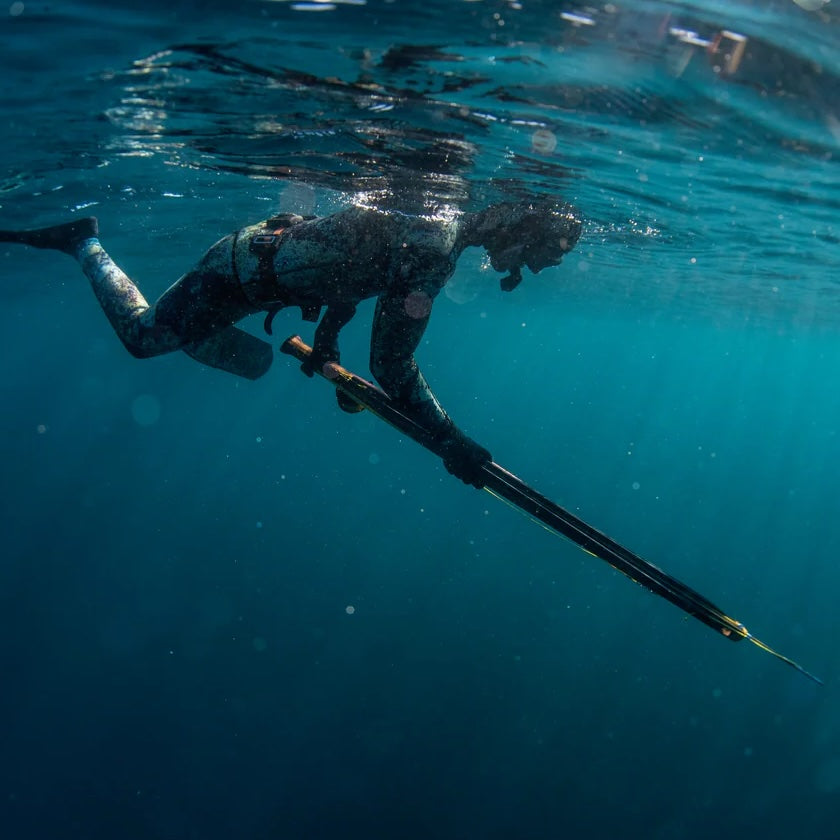
Spearfishing carries real risks, including blackout, pressure injuries, equipment failure and encounters with marine life. Understanding those risks is part of learning to hunt underwater. Training and preparation can reduce risk; they cannot make a dive safe by themselves.
The Dangers of Spearfishing
Shallow Water Blackout: One of the most significant dangers in spearfishing is shallow water blackout. This occurs when a diver holds their breath for an extended period, depleting oxygen levels in the body. Upon ascending, the reduced pressure can lead to blackout, which can be fatal if not addressed immediately.
Marine Life Hazards: The underwater world is home to various marine creatures, some of which can be dangerous. From territorial fish to sharks, encounters can escalate if not handled carefully. Understanding the behavior of marine life and respecting their habitats is essential to minimize the risk of dangerous encounters.
Barotrauma: Pressure changes can injure the ears, sinuses and lungs. Learn appropriate equalization and diving procedures from a qualified instructor; a general instruction to equalize does not explain how to prevent every pressure injury.
Equipment Malfunctions: Spearfishing involves specialized gear, including masks, snorkels, fins, and spearguns. Malfunctions in equipment can lead to dangerous situations underwater. Regular maintenance and thorough checks before each dive can help mitigate this risk.
Instructions on Minimizing Risk
Proper Training: Before engaging in spearfishing, it is essential to undergo proper training. Enroll in a certified spearfishing course to learn about safety protocols, breathing techniques, and emergency procedures. Knowledgeable instructors can provide valuable insights and guidance.
Breath-Hold Training: Learn breath-hold skills under qualified supervision. Do not treat longer breath holds or greater lung capacity as protection against blackout.
Understand Marine Life: Familiarize yourself with the behavior of marine life in the area where you plan to spearfish. Knowing which species are present and their habits can help you avoid potentially dangerous encounters.
Buddy System: Dive with a trained partner who is actively watching and prepared to respond, not merely somewhere in the same water. Agree on supervision and emergency procedures before entering.
Check and Maintain Equipment: Thoroughly inspect all spearfishing equipment before each dive. Ensure that masks, snorkels, fins, and spearguns are in good condition. Address any malfunctions immediately to prevent equipment-related accidents.
Dive within Your Limits: Know your personal limits and adhere to them. Avoid pushing yourself beyond your capabilities, especially in terms of depth and breath-holding. Gradually increase difficulty as you gain experience and confidence.
Stay Informed on Weather Conditions: Keep an eye on weather forecasts and sea conditions before heading out. Unfavorable weather can pose additional risks, such as strong currents and rough seas.
Preparation means training, maintaining equipment, checking conditions and refusing dives beyond your limits. Respect the water and the fish, and make getting everyone home the priority.
More perspectives →