
May 27, 2026 update: This article describes IP28 during signature verification, not a confirmed ballot qualification. Check the Oregon Secretary of State for its current status and official text.
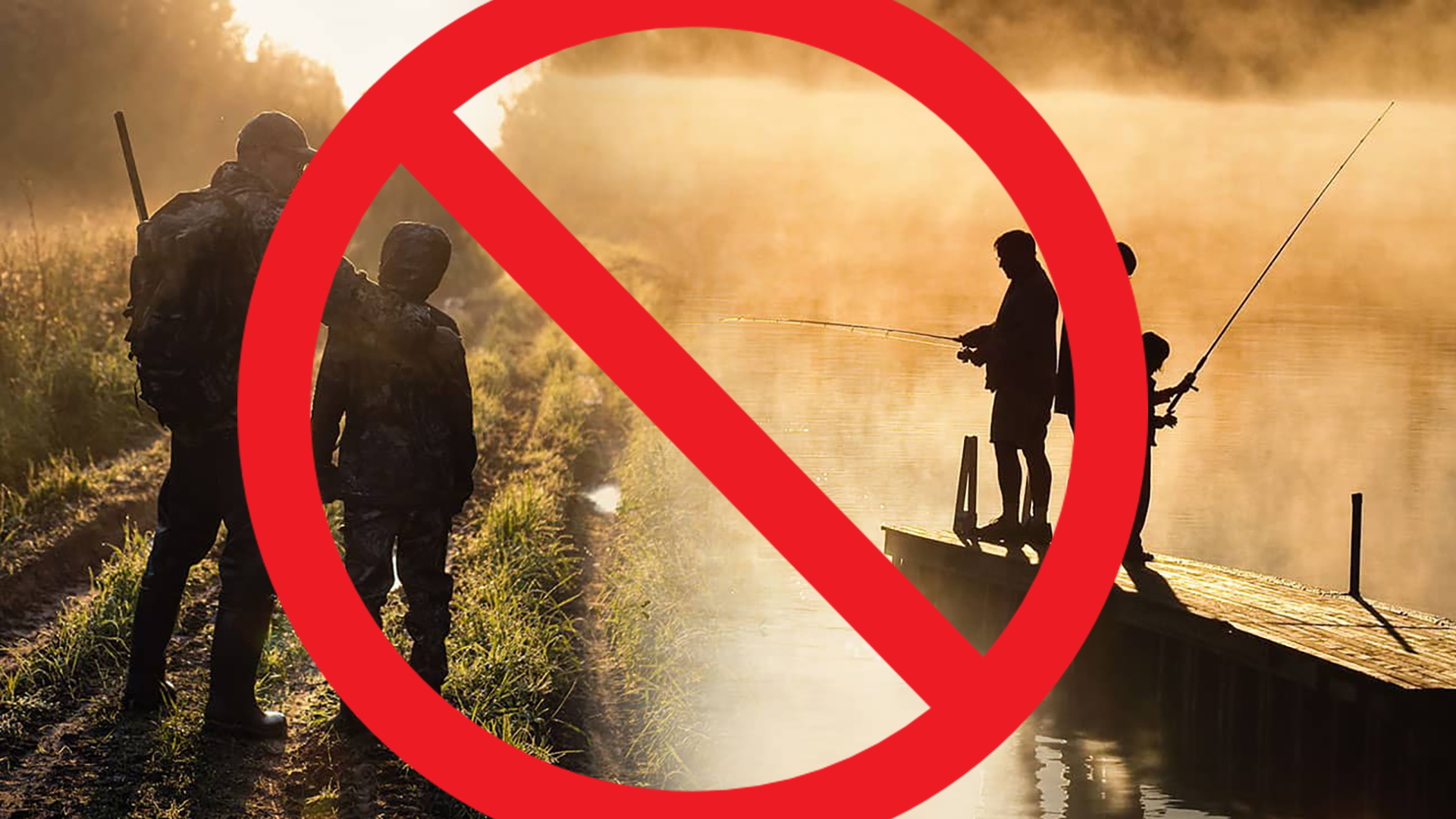
An Oregon initiative to criminalize hunting and fishing has just moved a step closer to November's ballot.
Initiative Petition 28, also called the PEACE Act, has reportedly submitted enough signatures to meet Oregon’s minimum threshold for the November 2026 ballot. It is not officially on the ballot yet, and the signatures still have to be verified. But the fact that it has gotten this far should get every hunter, fisherman, farmer, rancher, trapper, and conservation-minded voter’s attention.
This goes well beyond a minor animal welfare proposal. According to the official Oregon ballot title, IP28 would criminalize “injuring/killing animals, including for food, hunting, fishing” and would also criminalize certain breeding practices. The campaign behind it is not hiding the ball either. Their own website says the measure would extend legal protections to animals on farms, in research labs, and in the wild, protecting them from slaughter, hunting, fishing, and experimentation.
In plain English, this would effectively end lawful hunting and fishing in Oregon as people know it - and this matters far beyond Oregon.
Hunting and fishing are not animal cruelty. They provide food, support wildlife management, and keep millions of Americans connected to the land and water. Taking life seriously is part of that responsibility. They also fund conservation in a way that the loudest anti-hunting voices rarely want to acknowledge.
Licenses, tags, excise taxes, habitat work, access programs, fisheries management, enforcement, research, restoration - a massive portion of real conservation work is paid for by the very people this measure would treat like criminals.
And the impact would not stop with hunters and fishermen. This proposal also reaches into farming, ranching, trapping, pest control, animal breeding, and even research. Supporters can dress that up in soft language about compassion, but the practical result is extreme: criminalizing normal, lawful, regulated activities that feed families, support rural economies, and keep wildlife populations managed.
There is a difference between preventing cruelty and trying to erase the human role in the natural world. Hunters and fishermen understand something that ballot activists often do not: nature is not a Disney movie. Animals die. Ecosystems have to be managed. Food comes from somewhere. Predators, prey, fish, livestock, habitat, disease, carrying capacity, and human communities all have to be dealt with in the real world, not in slogans.
Oregon voters may soon be asked to decide whether hunting, fishing, and animal agriculture should be treated as crimes.
So what can people do?
If you live in Oregon, watch this closely. Follow the Secretary of State’s verification process. Contact your state representatives. Talk to your county commissioners. Support groups that are fighting this measure. Make sure your hunting, fishing, farming, and ranching communities understand what is actually in the petition before the campaign slogans take over.
If this makes the ballot, vote!
If you do not live in Oregon, do not ignore it. Share this with people who do. Support the organizations pushing back. Pay attention to similar efforts in your own state, too. Proposals like this deserve attention from sportsmen beyond Oregon.
Hunters and fishermen cannot afford to stay quiet while other people redefine conservation, food, and wildlife management for us, and we should not assume Oregon will be the last place this argument appears.
More perspectives →