
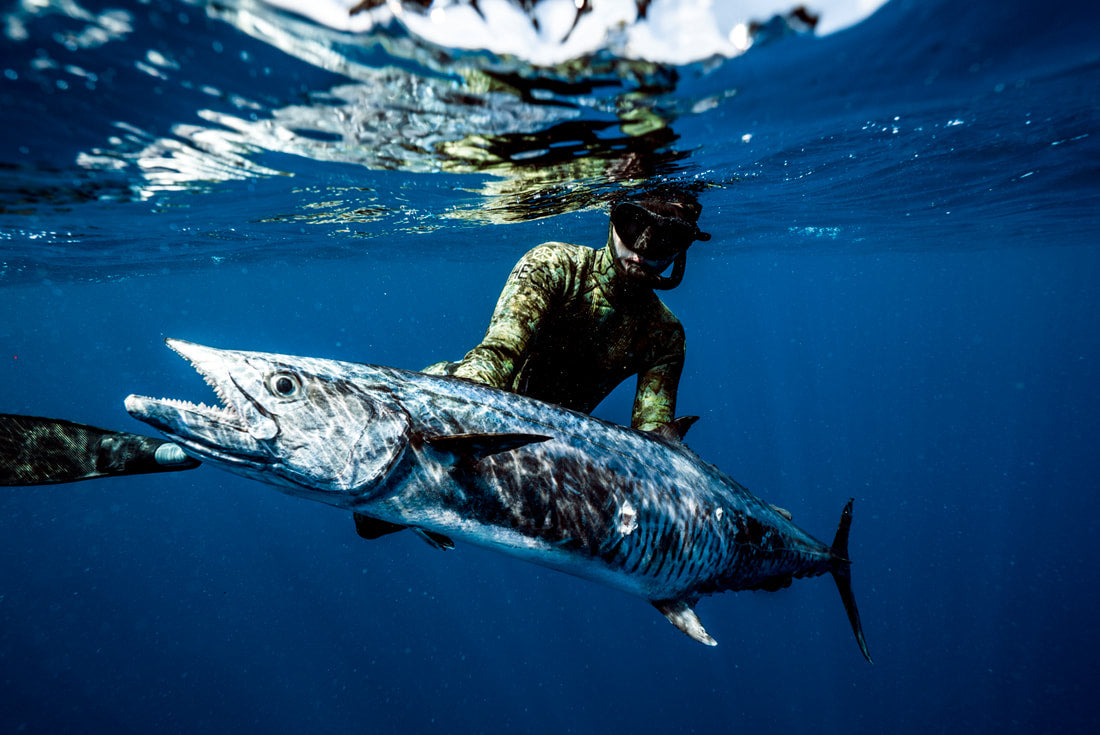
Wahoo are fast, wary and excellent on the plate. Hunting them in bluewater takes patience, a sound safety plan and gear that can handle a hard run without tearing out of the fish. This guide covers where to look, how to draw fish closer and what to think through before taking a shot.
Understanding Wahoo
Wahoo (Acanthocybium solandri) are fast-swimming pelagic fish known for their striking appearance and delicious meat. They are fast predators capable of powerful bursts of speed. Wahoo are typically found in tropical and subtropical waters worldwide, often near offshore banks, drop-offs, and areas where currents converge, attracting baitfish. One of the prime spots to locate wahoos is around floating debris and weed lines in the open ocean. These areas attract baitfish, which in turn lure predators like wahoos. The floating debris and weed lines create an ecosystem where smaller fish find shelter and food. As these baitfish gather, they become an enticing target for larger predators. Those gathering points are worth checking when you're looking for wahoo.
Wahoo habitat: bottom changes and currents
How do bottom changes and currents affect where wahoos can be found? Wahoos, known for inhabiting tropical and subtropical waters, tend to favor areas where the seabed undergoes significant structural changes. These changes create an environment rich in nutrients and smaller fish, making it an ideal hunting ground for wahoos.
Key Factors
Depth Variations: Bottom depths of 90 to 350 feet are one range discussed for offshore structure, not a universal wahoo rule or a recommended diving depth. The variations in depth often result in upwellings that bring nutrient-rich waters from the deep, attracting small prey and, subsequently, larger predators like wahoos. Strong Currents: Currents can help concentrate food. They not only aid in the movement of nutrients but also help distribute the small fish that wahoos feed on. Current moving over structure can concentrate prey, but strong current also creates serious challenges for divers and boat crews. Look for bottom changes, current edges and bait together. None guarantees fish, and a promising current isn't worth diving beyond your limits.
Gear and Equipment
To successfully spearfish for wahoo, you'll need specialized gear designed for blue-water hunting:
Spearfishing Gun: A powerful, high-quality spear gun capable of long shots is essential. Many spearos prefer guns with a reel or a float line system for handling the powerful runs of a shot wahoo; keep in mind the soft meat and skin of a wahoo means you don't want to pull hard against them when they start to run. This is another reason a float line is usually preferred.
Fins: Long freediving fins can make swimming more efficient. Choose stiffness to suit your strength and technique; don't try to chase down wahoo.
Wetsuit: Choose a wetsuit for temperature and fit first. Camouflage may help break up your outline, but it doesn't replace a quiet approach.
Dive Knife: Always carry a dive knife for safety and to dispatch your catch quickly.
Gloves and Mask: Protect your hands and improve visibility with quality diving gloves and a mask.
We've put together a bluewater gear list right here.
Techniques for Spearfishing Wahoo
Find the Right Spot: Wahoo are often found in deep blue water near structure. Look for temperature breaks, weed lines, or current edges where baitfish are likely to be.
Chumming: Attract wahoo by chumming the water with small pieces of fish or squid. Be patient and watch what approaches. Chum can also draw sharks; use it only where legal and as part of an experienced crew's safety plan.
Flashers and Lures: Wahoo are attracted to shiny objects. Use flashers or reflective lures to catch their attention and draw them closer to you.
Stealth Approach: Move slowly and cautiously. Despite their size, wahoo are wary of divers. A stealthy approach can prevent them from being spooked.
Aim and Shoot: Wait for a clear shot within your proven range and use species-specific shot-placement knowledge. A head or gill-area shot is not a guaranteed instant kill, and a tail shot is not a guaranteed hold. Wahoo have soft flesh, so shot angle and restraint during the run matter.
How Flashers and Chum Can Help in Attracting Wahoos
When it comes to spearfishing for wahoo, using flashers and chum can significantly improve your chances of keeping these elusive fish in the area longer. Here's how each tool helps:
Flashers
Visual Appeal: Flashers mimic the appearance of small, schooling fish, creating a visual stimulus that attracts wahoo from a distance. When wahoo see the flash and movement, they are likely to swim closer to investigate. Curiosity Trigger: The unpredictable movement of flashers arouses the curiosity of wahoo, enticing them to linger around the area. This gives you a better opportunity to take a clean shot.
Chum
Scent Trail: Chum releases a continuous scent trail in the water, which is highly attractive to predatory fish like wahoo. This scent can lure fish from afar, guiding them directly to your location. Sustained Interest: While flashers catch their eye, chum keeps their interest. Small bits of fish may keep wahoo feeding nearby, though their response varies.
Combining Flashers and Chum
Flashers offer a visual attraction; chum adds scent and food. Used together, they may draw wahoo into range and keep them interested longer. Keep watching the whole area rather than focusing only on the target fish.
Why a Bungee Floatline is Useful When Spearfishing for Wahoo
Here's how a bungee floatline can make a significant difference in your success:
Reducing Pressure on the Fish
A bungee floatline stretches and absorbs the initial force when a wahoo is speared. This elasticity is critical in preventing the spear from ripping out of the fish, which can happen if there's too much tension right after the shot. By allowing the floatline to stretch, you reduce the immediate pressure on the fish, increasing your chances of a secure catch.
Enhancing the Hold of Your Spear
The stretchable nature of a bungee floatline provides a more consistent pull on the fish, preventing sudden jerks or excessive pressure that can dislodge the spear. That smoother load can help protect the hold during the first run, but it can't rescue every poor shot or prevent every tear-out.
Bungee lines and shark interference
Wahoos are often prime targets for sharks, especially once they've been speared and are vulnerable. A bungee floatline is load-management equipment, not a shark deterrent. Don't rely on stretch or a fish's freedom of movement to keep sharks away.
Making the Fight More Manageable
The battle with a speared wahoo is intense. These fish are known for their speed and stamina, which can quickly tire you out. A bungee floatline helps alleviate some of the strain by stretching under pressure, taking the brunt of the wahoo's powerful runs and dives. This reduces wear and tear on your gear and helps conserve your energy during the fight, making it more manageable for you as the spearfisherman.
Protecting Your Gear and Increasing Your Chances of Success
A properly matched bungee setup can cushion shock loads on the fish and equipment. Inspect it with the rest of your rig and understand its limits. It doesn't remove entanglement risk or make handling a powerful fish safe by itself.
When Is the Best Time to Fish for Wahoos?
Wahoo can be caught year-round in some regions, while other fisheries have pronounced seasons. Water temperatures of 72–77°F within a broader 70–86°F range can help frame your planning. Treat those figures as rough planning references, not a universal optimum; local bait, currents and seasonal reports matter. To maximize your chances of a successful catch, monitor local water temperatures closely and plan your fishing trips accordingly.
How Do Water Temperatures and Moon Phases Affect Wahoo Fishing?
Water temperatures: Temperature breaks can be useful places to look, especially when they hold bait. Don't rule water in or out on temperature alone. Moon phases: The moon affects tides and currents, which can influence where bait and wahoo gather. Wahoo are known to frequent high current areas, where they can hunt more efficiently. During periods of a new moon or full moon, tidal movements are stronger, creating currents that attract wahoo. New and full moons are worth noting in a local fishing log, but they don't guarantee the best window at every location. Compare temperature and moon phase with local observations rather than treating either as a forecast on its own.
Safety Considerations
Spearfishing for wahoo is not without its risks. Always spearfish with a buddy and be aware of your surroundings, including boat traffic and marine life. Be prepared for a powerful run, know how your rig releases and keep clear of loaded lines. Never secure yourself to a fighting fish.
Conservation and Ethics
Practicing ethical spearfishing is crucial for the sustainability of wahoo populations. Only take what you need, comply with local regulations, and respect size and bag limits. Remember, spearfishing is about more than just the catch; it's about connecting with the ocean and practicing sustainable harvest methods.
How Quickly Do Wahoos Grow, and What Is Their Maximum Size?
Wahoos are known for their impressive growth rate. Growth varies with age and conditions; ten pounds a year should not be treated as a fixed growth rate. These silver fish with vertical stripes can reach substantial sizes. While typical wahoos grow to a substantial size, the largest specimens can weigh over 100 pounds and measure more than 7 feet in length. However, encountering wahoos of such proportions is quite rare.
Top Destinations to Find Wahoos
When searching for the best places to find wahoos, you'll want to focus on tropical and subtropical regions. These fish thrive in waters that offer specific conditions. Here are a few prime destinations:
1. Fiji
Known for its vibrant marine life. Offshore bottom depths of 90 to 350 feet are a starting reference, not a diving-depth recommendation. Look for current and bait, within conditions your crew can safely manage.
2. Cook Islands
Offers a diverse underwater landscape. Look for areas with significant changes in bottom structure. Current edges can be worth checking when conditions allow.
3. Samoa
Home to some of the most pristine waters. Deep locations with pronounced structural variations attract wahoos. Look for bait around current and structure rather than relying on a destination's reputation.
4. Indonesia
Renowned for its rich biodiversity. Check offshore structure; the 90–350-foot bottom-depth range is not a prescribed dive profile. Assess current with an experienced local crew before diving.
These destinations are not just about the depth but also the unique underwater features and currents that attract wahoos. When planning your adventure, consider these factors to maximize your chances of finding this sought-after fish.
Conclusion
Wahoo reward patience and preparation. Find the bait, wait for a shot you can make and respect the fish's power once it's hit. Stay within your training and conditions, and take only what you'll use. At KILLSHOT Life, we embody the spirit of the ethical hunter, and we invite you to be part of this journey with us. Follow us on social media and become a part of a community that values integrity, skill, and respect for the wild. Click here to find KILLSHOT Life on Instagram. Click here to find KILLSHOT Life on Facebook. Click here to join our Facebook Group and share your hunts.
More perspectives →