
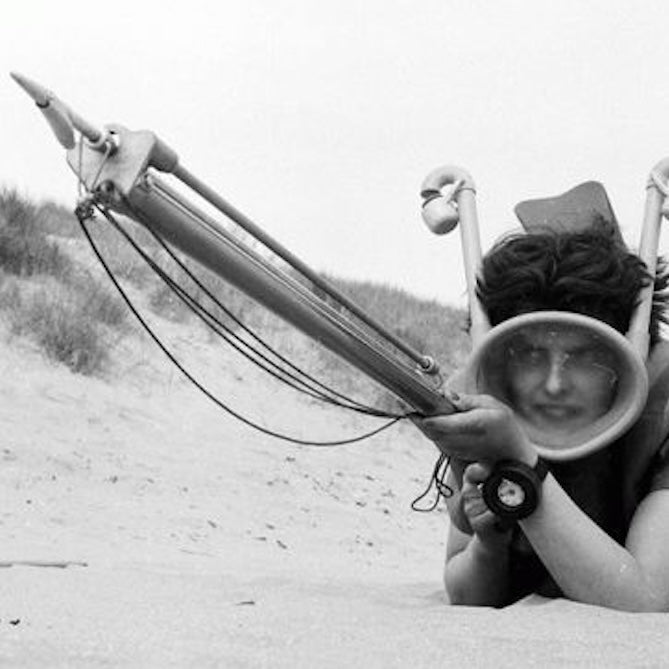
Spearfishing has fed people for thousands of years. The tools have changed from simple spears to modern spearguns, but the work still depends on understanding fish and getting close enough for a clean shot. Here's a look at its history, equipment and hunting methods.
Ancient Beginnings
The roots of spearfishing can be traced back to ancient civilizations that relied on fishing as a primary source of food. Indigenous peoples around the world, from the Mediterranean to the Pacific Islands, developed their own methods and techniques for hunting fish underwater. These early spearfishers used rudimentary tools, such as sharpened sticks or bone-tipped spears, to capture their prey.
Evolution of Spearfishing Gear
As time passed, spearfishing gear evolved to become more effective and sophisticated. Here are some key milestones in the development of spearfishing equipment:
Polespears: Polespears, consisting of a long pole with a sharpened tip, are one of the earliest tools used for spearfishing. They are still popular among modern-day spearfishers for their simplicity and ease of use.
Harpoons: Harpoons, equipped with a line and barbed tip, revolutionized spearfishing by allowing hunters to catch larger fish and even marine mammals. These early harpoons were typically made from wood or bone.
Rubber-Powered Spearguns: In the mid-20th century, the invention of rubber-powered spearguns marked a significant advancement in spearfishing technology. These guns used elastic bands to propel a spear at high speed, increasing the accuracy and range of shots.
Pneumatic Spearguns: Pneumatic spearguns, which utilize compressed air to launch the spear, became popular in the 1960s. They offered another approach to power and handling; performance depends on the particular gun and setup.
Modern Materials: Today's spearfishing gear is typically made from advanced materials like carbon fiber and stainless steel, offering durability and reduced weight. Modern spearguns often feature high-tech trigger mechanisms and adjustable settings for precise control.
Spearfishing Techniques
Over the centuries, spearfishing techniques have also evolved. Some of the most common methods employed by spearfishers today include:
Free Diving: Spearfishers typically free dive, holding their breath as they descend to their desired depth. Free diving requires a combination of physical fitness, breath-holding capacity, and diving skills.
Scuba Diving: While traditionalists may argue that scuba diving detracts from the purity of spearfishing, many modern spearfishers use scuba gear to extend their dive times and reach greater depths.
Hunting Strategies: Effective spearfishing requires a deep understanding of marine ecosystems and the behavior of target species. Spearfishers often adopt stealthy approaches, patiently waiting for the right moment to take a shot.
Environmental Considerations
Modern spearfishers are increasingly conscious of the impact their sport can have on marine environments. Sustainable practices, such as selective harvesting and adherence to catch limits, are becoming more prevalent. Many spearfishers also engage in conservation efforts and support marine protection initiatives to ensure the health of underwater ecosystems.
Conclusion
The tools have changed, but sound hunting still depends on skill, selective harvest and respect for the water. Equipment should support that work, not replace it. Follow the rules for your location and method and take only what you will use. Looking to gear up for yourself? We've put together some spearfishing equipment lists here.
More perspectives →