
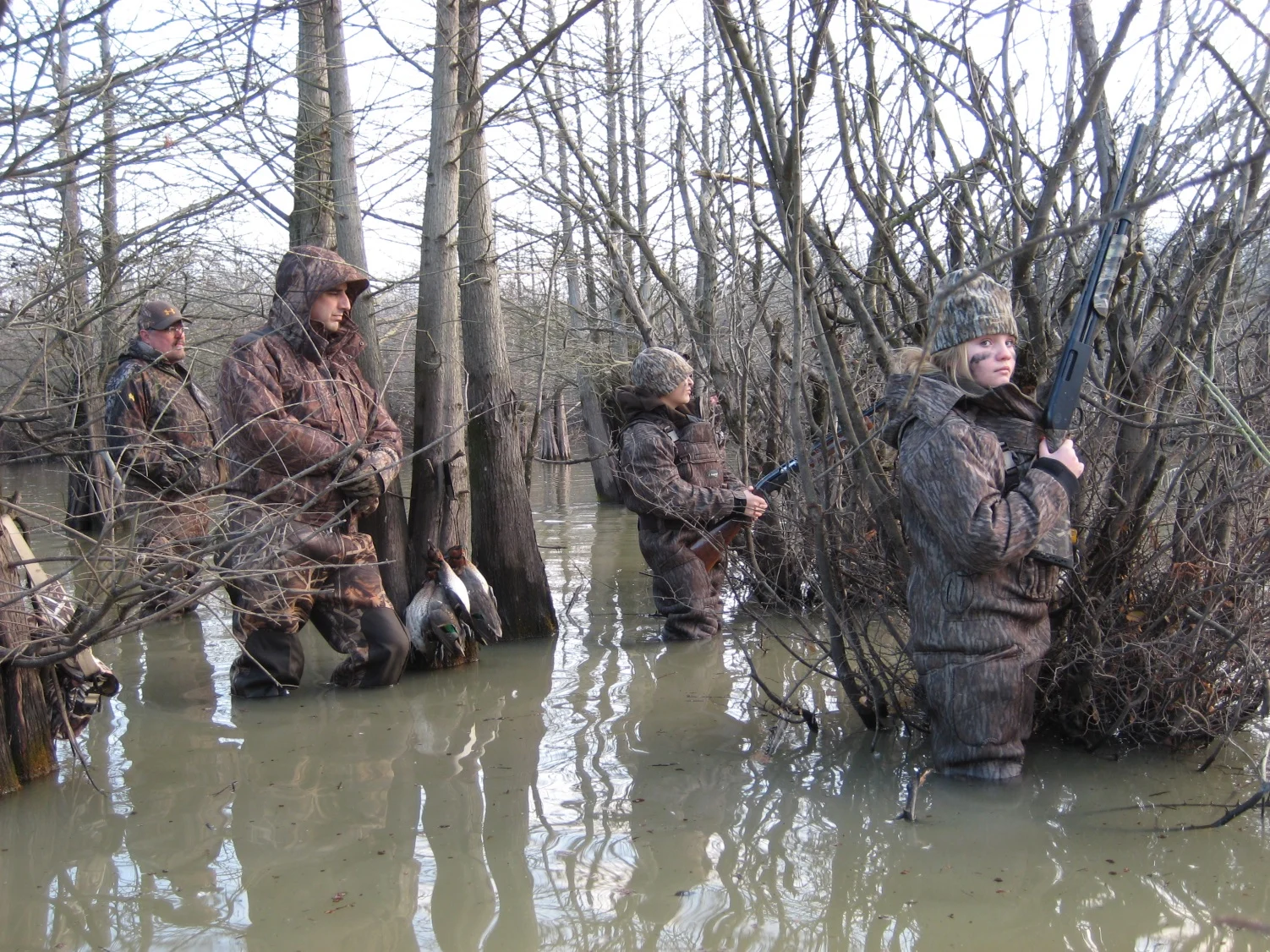
Taking somebody hunting is a good start. Teaching them enough to go again without you is a better investment.
There's a difference between putting a newcomer in the right spot and helping that person become a hunter. You can arrange the permission, choose the stand, watch the wind, handle the animal and send someone home with meat while leaving nearly every useful skill in your own hands. They had a hunt. You still hold the instructions for the next one.
Passing this life on means opening up that process. Let somebody see how you make decisions, then give them a real part in making those decisions themselves. That's how a hunting partner develops, whether the beginner is your kid, a coworker or a neighbor who didn't grow up around it.
Start before opening morning
A useful invitation comes with a plan. Pick a day to look at the regulations together, a day to practice and a hunt that fits the person's experience. Help them sort out required education, licenses, permits and equipment before the exciting part takes over.
Don't assume mentoring rules are the same everywhere. Wisconsin, for example, offers a mentored-hunting route that lets someone try hunting before completing hunter education, but it comes with specific requirements. The Wisconsin DNR requires the mentor and mentee to remain within arm's reach, and the mentee still needs the applicable hunting approvals. That isn't a rule to carry across state lines; it's a reason to read the actual rules where you'll hunt.
Make the first equipment conversation practical. Explain what the person needs for the conditions and what can wait. A beginner needs suitable, familiar equipment and a way to stay comfortable, not a shopping list built around somebody else's sponsorships. Put more time into safe handling and useful practice than into comparing price tags.
Explain the decisions you usually make quietly
Experienced hunters can walk into a place and start making choices without saying much. Which direction to approach from, where to stop, what ground to avoid and when to move may seem obvious after years of doing it. To the person following you, those choices can look like instinct they don't have.
Talk through them. Explain why you're checking the wind instead of just changing direction. Show what makes you think animals have been using a trail. Separate what you know from what you're guessing. When the plan doesn't work, work through the next decision together rather than pretending you had it figured out all along.
Give the newcomer something meaningful to own. Have them locate the legal access point, explain the route back or tell you what they noticed while scouting. Check the answer before relying on it, but don't do every job for them. Being useful is more satisfying than being carried through an experience.
Teach access as part of the hunt
Knowing where you can legally hunt is a field skill. On private ground, let the new hunter hear how permission is requested and what the landowner expects. Be clear about who is invited, where the boundaries are and whether access includes bringing anyone else. Your permission isn't automatically theirs to pass along.
On public ground, show them how to check the managing agency's current rules instead of treating a colored patch on a map as the whole answer. Work through parking, access routes and any area-specific restrictions before you arrive.
There are useful jobs here that don't require years of hunting experience: keeping an agreed parking area clear, leaving gates as directed, picking up litter and following through when you promised to help. Include those jobs in the day. Keeping a place available is worth teaching alongside finding animals on it.
Make the first shot a familiar decision
The hunt shouldn't be the first time you've discussed safe directions, what lies beyond the target or the conditions under which a shot is off the table. Cover those things in training, and revisit them in the actual setup. Agree on how you'll communicate and how either person can stop the action.
Practice should give the new hunter a realistic understanding of their ability with the equipment and positions they'll use. The goal is an effective shot and a quick, clean kill, not getting a trigger pulled before an opportunity disappears. Give them time to identify the animal, understand the situation and make the decision without an audience pushing them along.
When they do take an animal, let them be proud of it. A first squirrel, duck or deer doesn't need to compete with anybody else's trophy. The achievement is real, and sharing that excitement is part of why we're there.
Stay for the work afterward
For a food hunt, the lesson should reach the table. Before leaving home, explain the recovery plan, the equipment you'll need and how you'll get the meat cared for. After a successful hunt, involve the beginner in the work at a pace that lets them learn rather than simply watch.
Show them how you organize processing, packaging and cooking. Let them take part in making a meal they can repeat. Bringing home meat is satisfying; knowing how to turn the next animal into meals is a capability they get to keep.
Food is a powerful reason to hunt, but it isn't the only legitimate one. Responsible, lawful predator management also belongs in the hunting tradition. Whatever the purpose, teach the actual work and the applicable rules, with the same attention to effective shooting, recovery and respectful treatment of the animal.
Then put another date on the calendar. It might be a scouting walk, another practice session or a hunt the new person helps plan. Invite their questions after the first day's excitement has worn off.
We don't need to make hunting easier to admire from a distance. We need to make it possible for people who want this life to learn it well. Teach somebody the whole hunt, and the next invitation might come from them.
Photo: Keith Weaver / U.S. Fish and Wildlife Service, via [Wikimedia Commons](https://commons.wikimedia.org/wiki/File:CacheRiverNWRDuckHuntingDuringtheMentoredYouthWaterfowlHunt_(32761940367).jpg). Public domain. Mentored youth waterfowl hunt at Cache River National Wildlife Refuge; archival image, not an endorsement of this article.
More perspectives →