
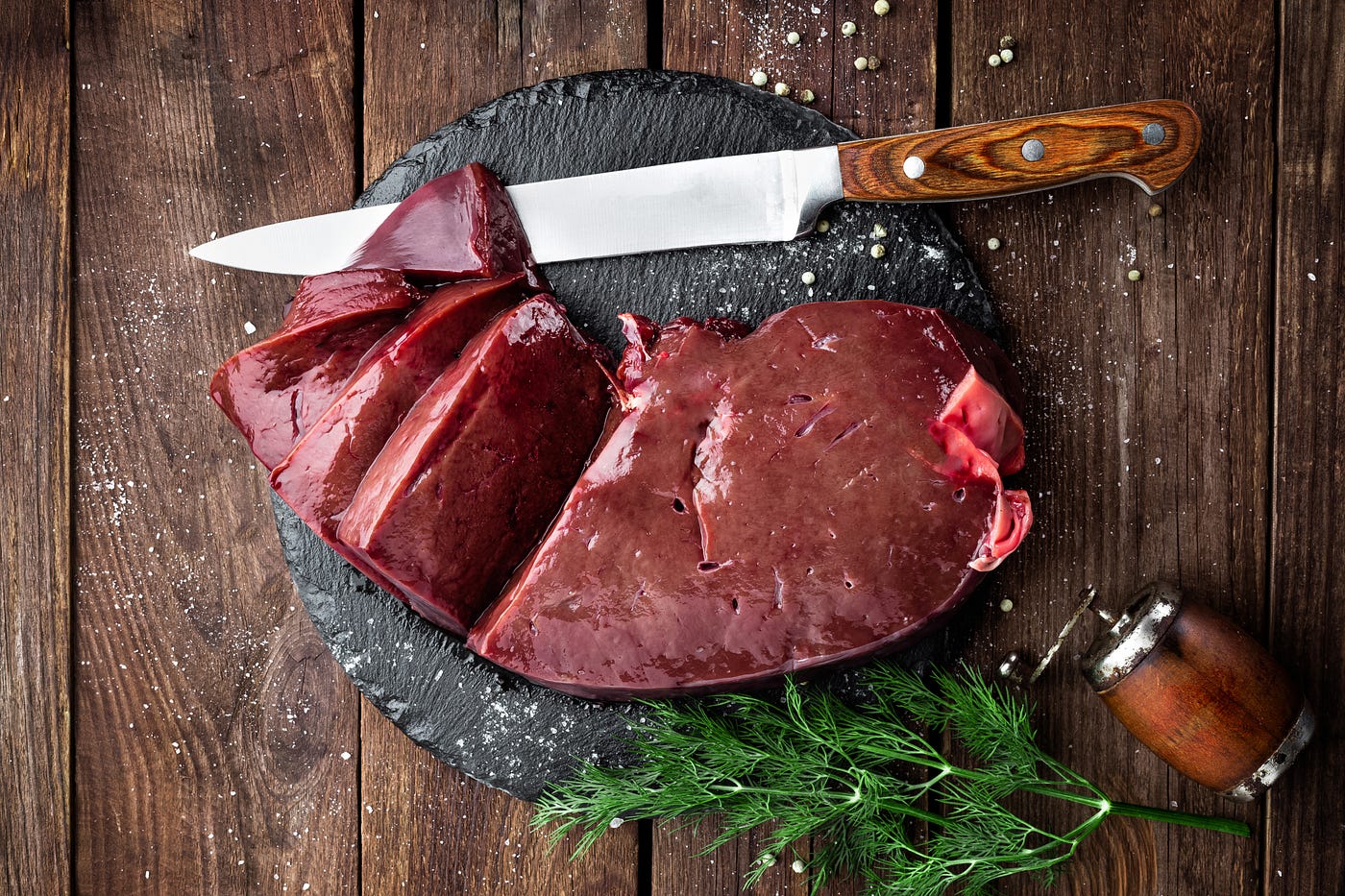
Liver, heart and other organs deserve a place in the conversation when you're deciding how to use a harvested animal. They offer protein, vitamins and minerals as well as flavors and textures you won't get from a backstrap. Using edible organs can also reduce waste. Here's what to consider, from nutrition to handling and cooking.
1. A Rich Nutritional Profile
Organ meats, also known as offal, are the organs found inside the animal. They are incredibly nutrient-dense and contain essential vitamins, minerals, and compounds that are sometimes lacking in muscle meats. For instance, organ meats are excellent sources of B-vitamins (B12, B6, riboflavin, etc.), iron, zinc, selenium, and many other vital nutrients.
2. High Protein Content
Wild game organ meats are abundant in high-quality protein, which is essential for muscle repair, immune function, and overall well-being. For individuals seeking to build muscle, support an active lifestyle, or maintain a healthy weight, incorporating organ meats can contribute useful protein.
3. Fat-Soluble Vitamins
Vitamins A, D, E and K have different roles in vision, immune function, blood clotting and bone health. Organ meats can supply fat-soluble vitamins, but amounts differ by organ and species. Do not assume every organ is rich in all four or that more is always better.
4. Heart-Health Claims
Nutrients such as Coenzyme Q10 (CoQ10) are part of the discussion about organ meat, but eating wild organs should not be presented as a way to prevent or treat heart disease. Consider organs as food within an overall diet, not as a medical intervention.
5. Sustainable Practice
Embracing nose-to-tail eating, which involves using as much of the animal as possible, is a highly sustainable approach to hunting. By utilizing the entire animal, hunters reduce waste and honor the life that provided them with sustenance. This contrasts with conventional meat production, where large amounts of edible organ meats often go unused.
6. Enhancing Culinary Experiences
Incorporating organ meats into one's diet can elevate culinary experiences by adding unique flavors and textures. Wild game liver, for instance, has a rich and distinct taste that can be enjoyed in various dishes. Exploring new recipes and cooking methods can open up a world of delicious possibilities.
7. Respectful Hunting Practices
Responsible hunters prioritize ethical hunting practices, which include aiming for a clean and ethical kill. This ensures that the animal does not suffer unnecessarily. When hunters make use of organ meats, they further demonstrate their respect for the animal by utilizing all available resources.
Tips for Utilizing Organ Meats
Proper Handling and Storage: As with any meat, proper handling and storage of organ meats are crucial to maintaining freshness and safety. Clean the organs promptly after harvesting and keep them chilled until they can be processed or cooked.
Try Different Cuts: Experiment with different organ meats to find the ones you enjoy the most. Liver, heart, kidneys, and tongue are some common options worth exploring.
Marination and Spices: To help diminish any strong flavors that might be off-putting to some, consider marinating the organ meats in acidic mixtures like lemon juice or vinegar. Spices and herbs can also enhance the overall taste.
Incorporate in Various Dishes: Organ meats can be enjoyed in numerous ways, such as sautéed, grilled, braised, or made into stews and soups. Explore traditional recipes from various cultures to find new and exciting preparations.
If you enjoy organ meat, use sound handling and try preparations that suit each cut. Liver, heart, kidneys and tongue offer different eating experiences. Making good use of those edible parts can reduce waste and carry respect for the animal through to the table.
More perspectives →