
The Utah Wildlife Board recently finalized the permit numbers for the 2026 big game hunting seasons. For hunters and conservationists in the West, permit numbers affect draw odds and tell us something about herd conditions. They reflect the state’s effort to balance wildlife populations with the land’s carrying capacity.
Managing wildlife in the West is an exercise in discipline and data. It requires an understanding of how harsh winters, fluctuating moisture levels, and habitat fragmentation impact the animals we respect. As hunters, we are the primary tool for this management, and the 2026 permit allocations show exactly where the state needs our participation to maintain healthy ecosystems.
The Science Behind the Numbers
The Utah Division of Wildlife Resources (DWR) bases its permit recommendations on biological data collected throughout the year. This includes post-season counts, fawn-to-doe ratios, and range health assessments. The goal of the Utah Wildlife Board is not to maximize opportunity at the expense of the resource, but to ensure that the harvest remains sustainable for generations to come.
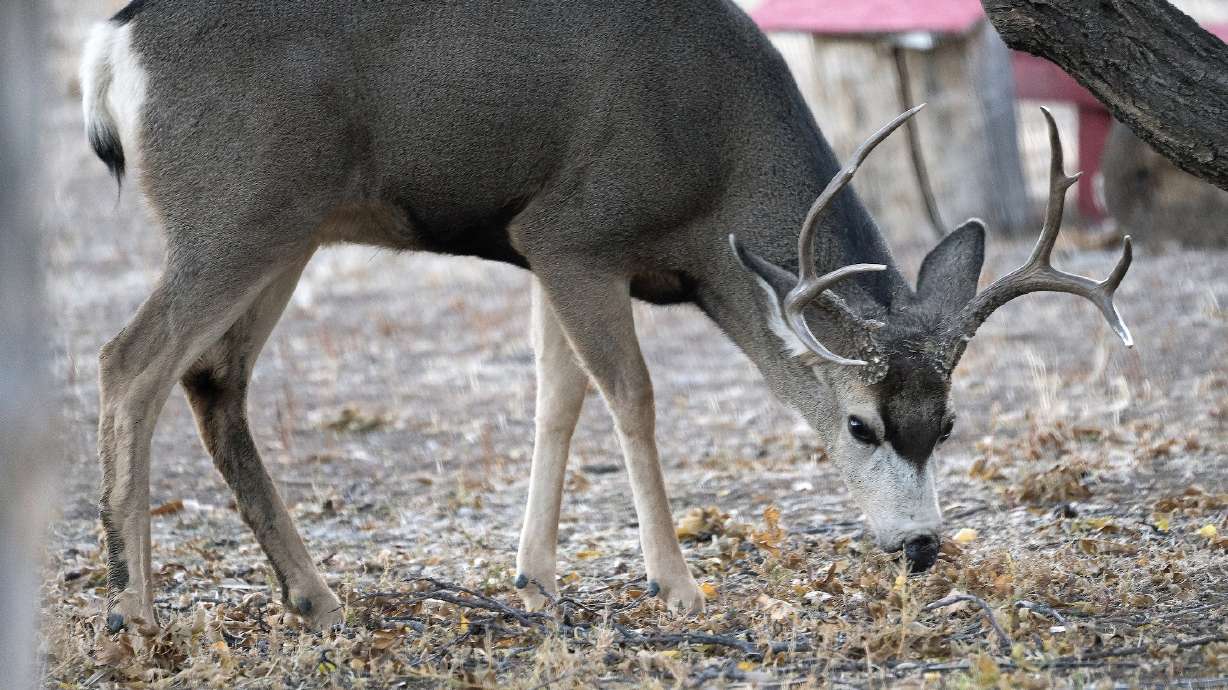
For the 2026 season, the Board approved a total of 71,525 general-season deer permits. While this is a slight decrease from previous years in certain units, it is a strategic move designed to help mule deer populations recover in areas where habitat conditions have been challenging. Conversely, elk permits remain robust in many areas where populations are currently exceeding objective, requiring hunters to step in and help manage those numbers to prevent overgrazing and habitat degradation.
Mule Deer Management and Habitat Recovery
Mule deer are a cornerstone of the North American hunting tradition, but they are also a sensitive species. In Utah, deer populations are heavily influenced by winter survival and the availability of high-quality forage during the spring and summer.
The decision to adjust permit numbers in specific units is a direct response to these environmental factors. A reduction in permits asks hunters to exercise restraint. Ethical harvest means recognizing when a population needs a reprieve to ensure the long-term health of the herd. By following the guidance of state biologists, we participate in a system that prioritizes the animal over the ego of the hunter.
The Role of the Ethical Hunter in Conservation
At KILLSHOT Life, we believe that hunting is a moral responsibility. When you carry a tag into the field in Utah this fall, you are accepting responsibility for the resource. This goes beyond just pulling the trigger. It involves the hard work of scouting, the physical readiness required to navigate Utah’s rugged terrain, and the commitment to a clean, ethical harvest.
The "killshot" is the culmination of months of preparation. The aim is to use that preparation for a quick, clean harvest that treats the animal with respect. Whether you are hunting elk in the pines or pronghorn on the flats, the standard remains the same: make it count.
Why Regulated Hunting Matters
There is often a misconception that hunting is a threat to wildlife. In reality, the regulated harvest managed by the Utah Wildlife Board is one of the most effective conservation tools available. The North American Model of Wildlife Conservation relies on hunters to fund habitat restoration, water projects, and research through license fees and excise taxes on gear.
Without the hunter, populations of species like elk can quickly grow out of balance, leading to disease outbreaks and the destruction of the very habitat they rely on. By participating in the 2026 season, Utah hunters are providing the boots-on-the-ground management that keeps these ecosystems functioning.
Looking Ahead to the 2026 Season
As the draw results approach and we begin our transition from planning to preparation, it is time to focus on the work ahead. This is the season to sharpen your skills, improve your fitness, and study the units you will be hunting.
The 2026 Utah big game season is an opportunity to reconnect with the land and provide high-quality wild meat for our families. It is a chance to stand as a representative of a lifestyle built on competence and respect. We look forward to seeing the stories that emerge from the mountain this year.
More perspectives →