This is the kind of conservation work that does not get enough attention because it happens on dirt, not in slogans.
Alabama’s Black Belt Prairie is getting a $17.5 million boost through the USDA’s Regional Conservation Partnership Program. The Alabama Soil and Water Conservation Committee is expected to use the five-year effort to help restore about 8,000 acres of prairie habitat with cost-share assistance, technical guidance, and conservation planning for landowners and producers.
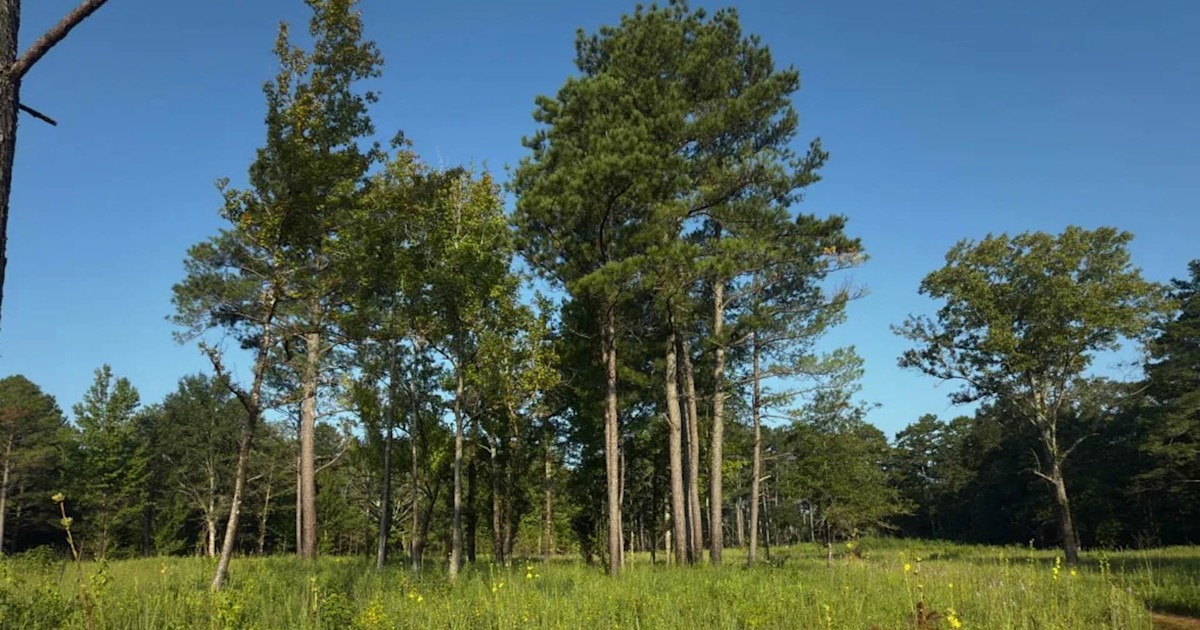
That matters because the Black Belt is not just a line on a map. It is a historic prairie system across central Alabama and neighboring areas, known for dark fertile soils and habitat that once supported a wide range of wildlife. Much of that native grassland was converted over time, but what remains still matters for bobwhite quail, wild turkeys, whitetails, pollinators, and the larger outdoor culture tied to working land.
A lot of people like to talk about conservation as if it means locking up land and keeping humans away from it. That is not how much of the best habitat work actually happens. In places like the Black Belt, the people living, farming, grazing, hunting, and managing the land are often the ones who decide whether habitat gets better or worse. Giving those landowners the tools to improve native grass cover, use prescribed fire, manage brush, plant wildlife habitat, reduce erosion, and protect water quality is practical conservation.
Hunters should care about this because habitat is the foundation under everything else. You do not get strong quail numbers, healthy deer, better turkey nesting cover, or good hunting traditions without the ground being managed well first. Seasons and limits matter, but they cannot make up for broken habitat.
This project also shows why conservation and working lands do not have to be enemies. Some acres may return to productive grazing. Others may be managed more heavily for wildlife or recreation. Done right, that kind of balance supports families, wildlife, and local economies instead of pretending only one of those things can matter.
If you want more wildlife, start with habitat. The unglamorous work is usually the work that counts.
Source & further reading
MeatEaterRegulations and conditions change. Check current official guidance before you hunt, dive or travel.