
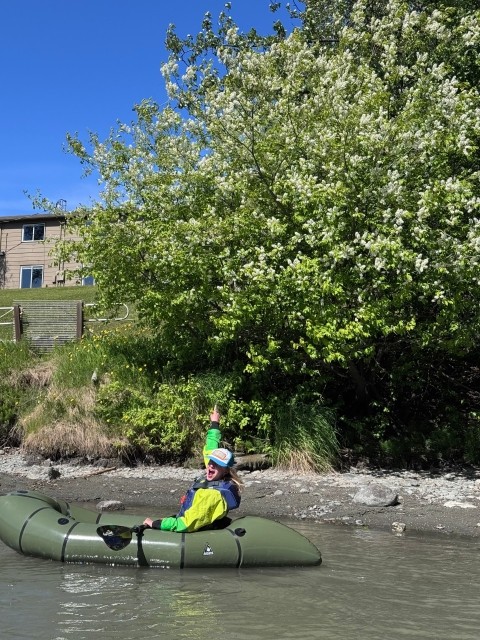
Alaska conservation partners are working to keep invasive chokecherry and Mayday trees from spreading from yards into forests and river corridors. A U.S. Fish and Wildlife Service report describes removal programs, landowner assistance and 2026 detection surveys along the Kenai River.
Both species are invasive in Alaska, even though chokecherry is native elsewhere in North America. Birds carry their seeds beyond planted areas, and established trees also spread through suckers and lateral roots. Dense stands can replace native willows, alders and cottonwoods that provide forage and habitat for moose, snowshoe hares and birds.
The concern reaches into salmon water. Native streamside vegetation supports insects that juvenile fish eat. Chokecherry-dominated banks can support less insect biomass and diversity, potentially reducing that food supply. The agency also reports documented moose calf deaths attributed to chokecherry poisoning in Anchorage.
Homer Soil and Water Conservation District and partners offer tree removal and replacement assistance on the Kenai Peninsula, including free help for landowners. Anchorage partners run volunteer removal events and a landowner assistance program, while organizations around Fairbanks are also removing and replacing invasive trees.
Landowners should contact those local programs rather than assume cutting a tree down finishes the job. The source page links to assistance and reporting tools for Anchorage, the Kenai Peninsula, Fairbanks and elsewhere in Alaska. Early reports can help crews locate trees before they develop into larger infestations.
Source & further reading
U.S. Fish and Wildlife ServiceRegulations and conditions change. Check current official guidance before you hunt, dive or travel.