
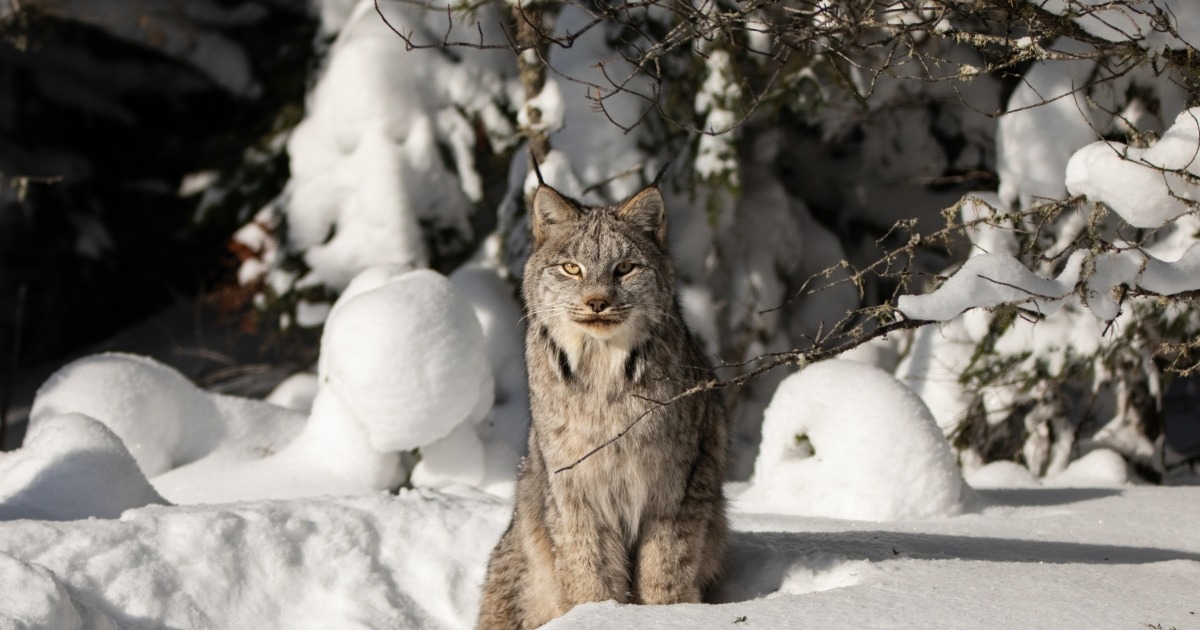
USFWS has finalized a revised Canada lynx critical habitat designation for the lower 48, narrowing the map to areas the agency says are essential for conservation.
The final rule designates about 14,030 square miles of critical habitat across Colorado, Idaho, Montana, and Washington. Colorado receives critical habitat for the first time, while the Greater Yellowstone Area will no longer be designated. The agency says the update is based on current research and modeling focused on western U.S. lynx populations and aligned with the 2024 recovery plan.
Critical habitat under the Endangered Species Act does not turn private ground into a park or automatically close public land. It mainly affects federal agency actions or projects with federal funding or permits. Still, these maps matter. They can shape timber work, road decisions, recreation planning, habitat projects, and how agencies weigh impacts on working landscapes.
That is why these decisions need to stay tied to current science, not stale maps or political pressure. If habitat is truly essential, put it in the plan and manage it honestly. If an area no longer fits the biology, take it off the map and focus effort where it actually helps the species.
Hunters and outdoorsmen should care even when the species is not a game animal. Lynx country is also deer, elk, grouse, snowshoe hare, trapping, timber, and backcountry access country. Good wildlife management has to protect species without pretending people and working landscapes do not exist.
Source & further reading
U.S. Fish and Wildlife ServiceRegulations and conditions change. Check current official guidance before you hunt, dive or travel.