
Not every important wildlife story has antlers, fins, or feathers.
The U.S. Fish and Wildlife Service put a spotlight on bats this week, and it is worth paying attention to even if you are more interested in deer, ducks, turkeys, fish, or predators. Bats are easy for people to misunderstand because they usually see them at night, in caves, or through some horror-movie idea of what wildlife is supposed to be. The reality is more useful than that.
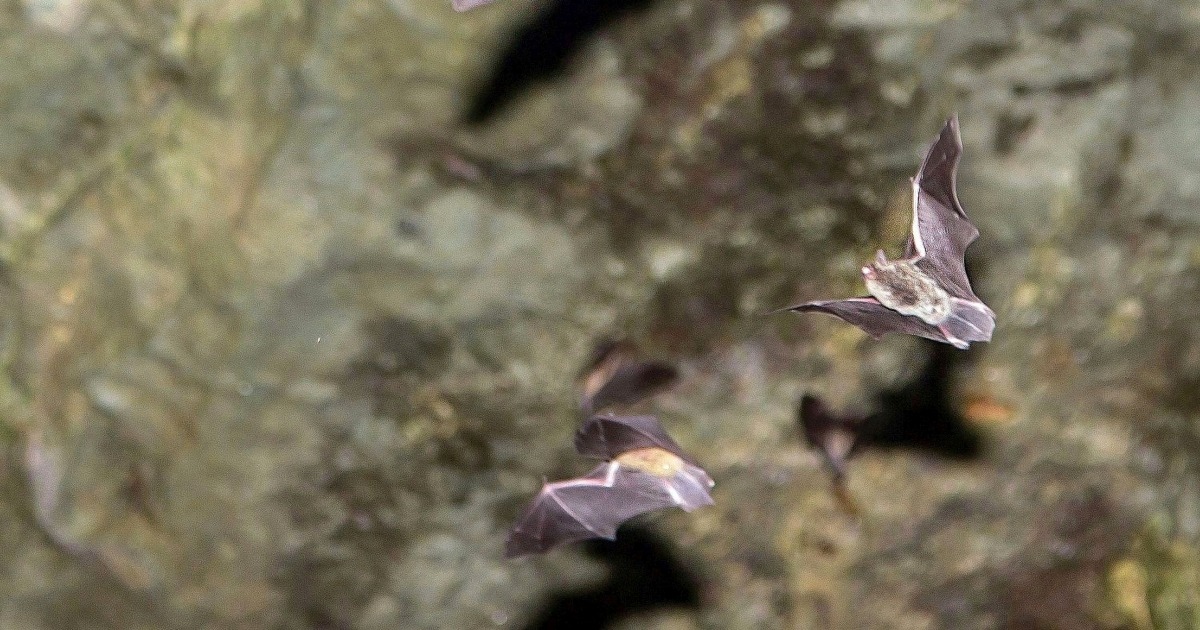
North American bats are small animals with a big job. USFWS points out that many of them weigh about as much as a few coins, with bodies roughly the size of a thumb, yet they are the only mammals capable of true flight. From spring through fall, bats are finding roosts, raising pups, hunting insects, mating, and preparing for winter. They are part of the working system outdoorsmen depend on, whether most people notice them or not.
That should matter to hunters and fishermen because healthy habitat is never built around one species. A good deer woods is not just deer. A good duck marsh is not just ducks. A healthy river corridor, prairie edge, timber stand, cave system, refuge, or farm landscape holds insects, predators, birds, fish, mammals, plants, and the messy relationships between them. Bats fit into that web by feeding on insects and using habitats that also support a lot of other wildlife.
This is where conservation gets more serious than slogans. It is easy to care about the animals people like to photograph or hunt. It takes a broader understanding to care about the species that are not glamorous but still help hold the system together. That does not mean every acre gets locked up or every human use becomes a threat. It means management has to recognize the full habitat picture.
Bats have also been hit hard in some places by disease and habitat loss, including white-nose syndrome in cave-dwelling species. That is not just a bat problem. When a piece of the system takes a major hit, the effects do not always stay neatly in one lane.
Sportsmen should be comfortable saying this plainly: conservation is not only about game species, but game species benefit when the whole system is managed well. The same people who fund wildlife through licenses, stamps, excise taxes, and conservation groups have a stake in making sure the quiet, overlooked parts of the outdoors are still there too.
A bat may never hang on your wall or hit your plate, but it still belongs in the conservation conversation.
Source & further reading
U.S. Fish & Wildlife ServiceRegulations and conditions change. Check current official guidance before you hunt, dive or travel.