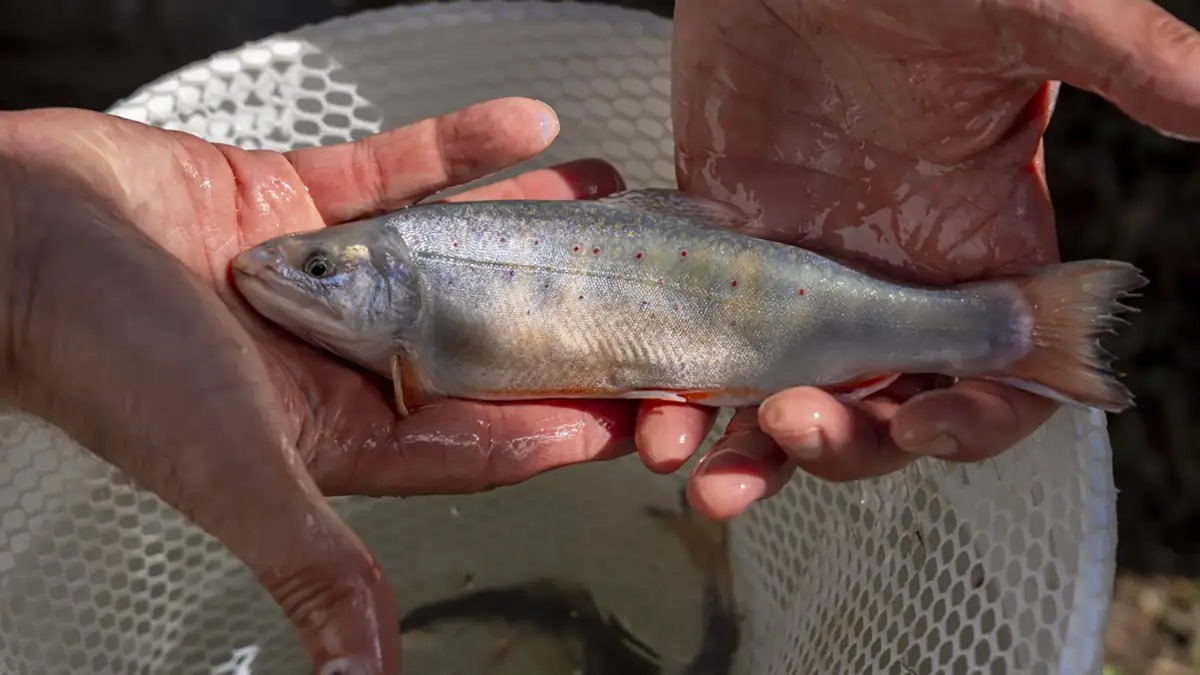
Colorado is using a sharp new tool against invasive brook trout, and the goal is not politics. It is giving native cutthroat trout a fighting chance in their own water.
Colorado Parks and Wildlife has been working with so-called YY brook trout, sometimes called Trojan males. Normal male brook trout carry one X and one Y chromosome. YY males carry two Y chromosomes. When that genetic line is used correctly, it pushes future offspring toward all-male broods until the invasive population can no longer replace itself.
Brook trout are great fish in the right place, but in parts of Colorado they are not in the right place. They outcompete native cutthroat trout, eat into the same food base, and take over cold mountain streams where native fish have already been squeezed by habitat loss, fragmentation, drought, and human pressure.
CPW started targeting brook trout with this method in 2024 after Idaho helped pioneer the approach. Biologists collect brook trout, use hormone treatment in hatchery work to create egg-producing males, and then develop the YY line used for suppression. The idea is not to dump random lab fish everywhere. It is a controlled tool for specific waters where native trout restoration is the priority.
This is what modern fisheries management can look like when managers are serious about native species. Sometimes the tool is habitat work. Sometimes it is barrier removal. Sometimes it is harvest. Sometimes it is removing a fish that sportsmen may enjoy catching because that fish is wrecking a native population that belongs there.
Anglers do not have to hate brook trout to understand the problem. A fish can be beautiful, fun to catch, and still be invasive in the wrong drainage. If we want wild native cutthroat in Colorado for the next generation, managers need more than good intentions. They need tools that work, and hunters and anglers should be honest enough to back science-based restoration when it is done carefully.
Source & further reading
Wired2FishRegulations and conditions change. Check current official guidance before you hunt, dive or travel.