
Some fish stories are big because of the fish. Some are big because the fish came back at all.
The Lahontan cutthroat trout is the largest cutthroat trout in the world, a native Great Basin fish that once lived in places like Lake Tahoe, the Truckee River, and Pyramid Lake. By the 1940s, the original fish were gone from their home waters after habitat loss, water diversion, and introduced species changed the system. For a long time, that story looked like another example of the West losing something it would never get back.
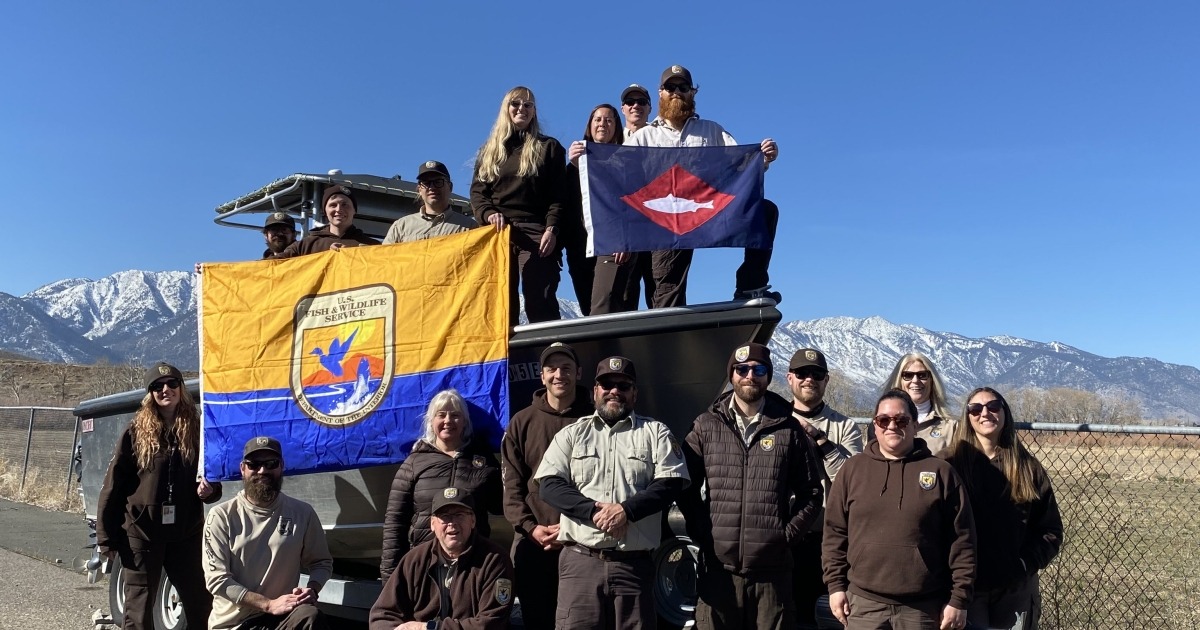
Then a small population in the Pilot Peak Mountains turned out to carry the genetics of the original giant Pyramid Lake strain. That discovery became the backbone of recovery work at the Lahontan National Fish Hatchery Complex in Nevada, where the U.S. Fish and Wildlife Service and partners are raising and reintroducing these fish into historic waters.
That is not social media conservation. That is hatchery work, broodstock, genetics, stream surveys, lake monitoring, tribal partnerships, habitat evaluation, nets, boats, field crews, and years of people doing the unglamorous work while most of the public never notices.
Fishermen should care about this because it proves something important: damaged fisheries can recover, but not by accident. They recover when people identify the problem, protect what is left, rebuild habitat where possible, and keep pressure on long after the headline fades. The same lesson applies whether we are talking about trout in Nevada, salmon in Idaho, redfish in the Gulf, or stripers on the coast.
It also shows why conservation and fishing are not enemies. The goal of rebuilding a native trout is not just to admire it from a distance forever. The goal is a living fishery, a healthier system, and a future where people can see, respect, and in the right circumstances legally catch fish that almost disappeared. That is a better story than turning every wild place into a museum.
There are hard realities here too. Water diversion, introduced species, development, drought, and habitat loss do not disappear because a hatchery does good work. Recovery takes management, money, cooperation, and patience. It takes tribes, agencies, scientists, local communities, and fishermen pulling in the same direction more often than they fight.
The Lahontan cutthroat story is a reminder that conservation is not just protecting what is still strong. Sometimes it is bringing back what everybody thought was gone.
Source & further reading
U.S. Fish & Wildlife ServiceRegulations and conditions change. Check current official guidance before you hunt, dive or travel.