
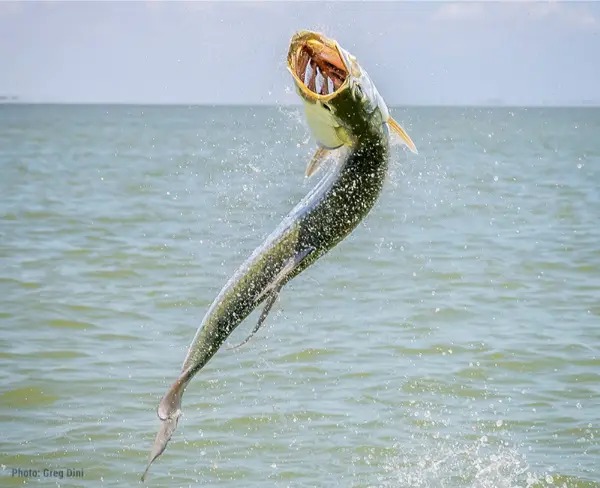
Tarpon are one of the most valuable and respected fish in the Florida Keys, but managers still do not have the kind of hard data most people assume exists.
Bonefish & Tarpon Trust says tarpon are considered data poor. That means there is no standard stock assessment telling everyone exactly how many fish are out there or how the population compares to decades past. For a fish that supports guides, tackle shops, hotels, restaurants, boat builders, and an entire flats-fishing culture, that is a big gap.
BTT is working with Project Seagrass and Florida International University on a survey approach called Best Catch Assessment, or BECAA. Instead of pretending angler experience does not count, the method uses the memories and observations of anglers and guides to help track long-term trends in the fishery. Bonefish survey work was completed in 2025, tarpon results are now being presented, and permit survey work is expected later.
That should make sense to anyone who spends real time on the water. Good guides know when the fish show up late. They know when a flat that used to hold fish goes quiet. They notice boat pressure, water quality, seagrass loss, algae, storms, temperature changes, handling problems, and whether big fish seem less common than they used to be. That does not replace science, but it absolutely belongs beside it.
The Florida Keys tarpon fishery is not just a tourist photo. It is a living fishery with catch-and-release ethics, guide livelihoods, habitat concerns, and a major economic footprint. BTT has put that annual economic impact at more than $465 million. If that fishery declines, it will not just hurt a few fly fishermen. It will hit communities built around clean water and healthy flats.
This is where fishermen need to stay involved. Data gaps are dangerous because they let bad assumptions fill the space. If managers do not have enough information, decisions can get driven by politics, pressure, or whatever loud voice shows up last.
Angler knowledge is not folklore when it is collected carefully. It is field data from people who have earned it one tide, one season, and one fish at a time.
Source & further reading
Bonefish & Tarpon TrustRegulations and conditions change. Check current official guidance before you hunt, dive or travel.