
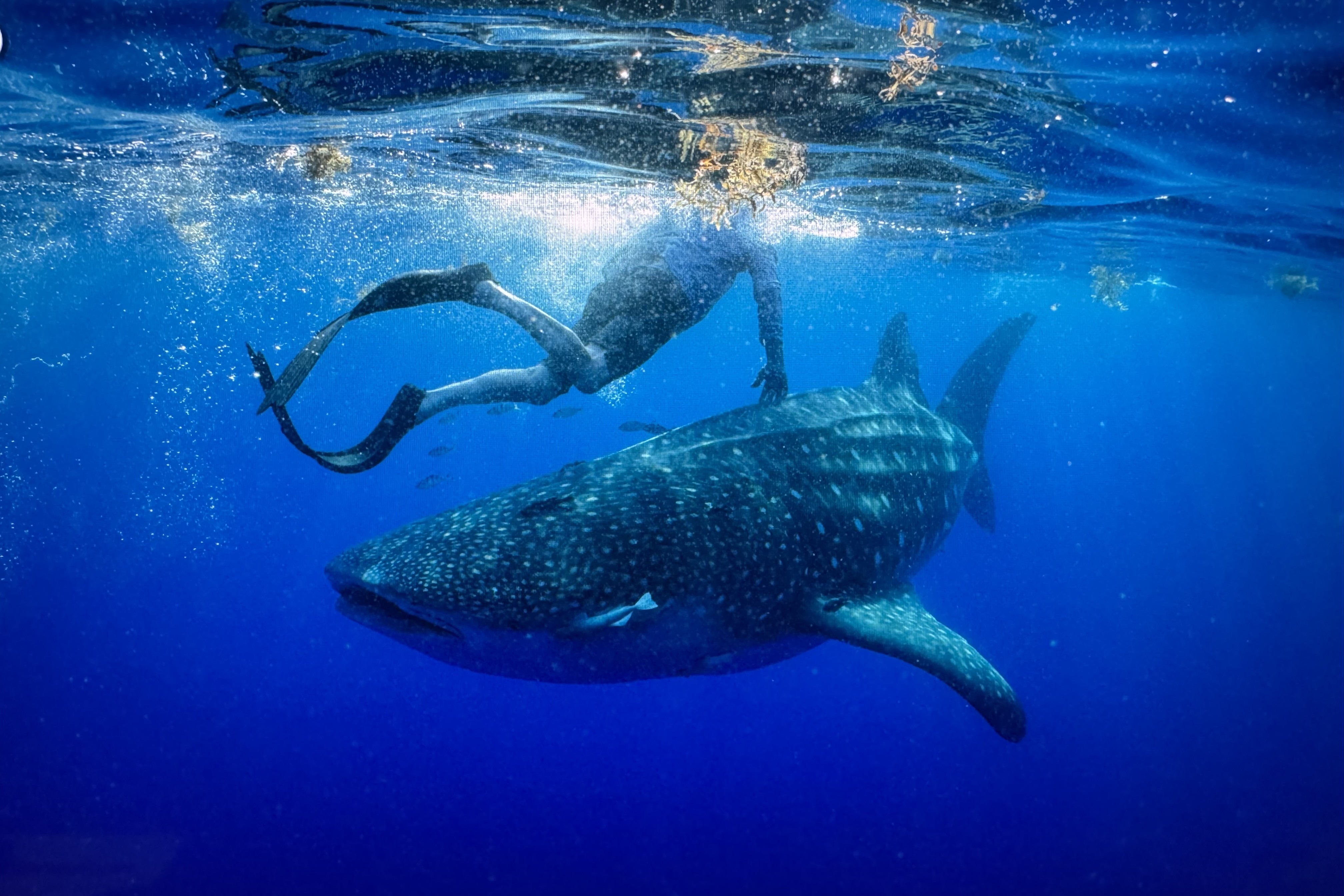
Good fisheries science does not only happen in a lab. Sometimes it starts with people on the water paying attention.
NOAA Fisheries highlighted a year of tracking data from a whale shark nicknamed Larry, a 26-foot male tagged off the Florida Gulf Coast in May 2025. Researchers were able to find the whale sharks in the first place because local anglers reported sightings through the University of Southern Mississippi’s whale shark reporting system. That public information helped put scientists on the fish and gave them a chance to attach satellite tags.
Larry’s tag has sent back more than 6,200 data points over the past year, showing movements and behavior that help researchers understand where these giant fish go, where they feed, and what environmental conditions may be driving their movement. The team also found whale sharks feeding on Spanish sardine eggs, which added a new clue about their diet in the Gulf.
For fishermen, this is worth paying attention to even if nobody is harvesting whale sharks. It shows the value of real observations from people who spend time offshore. Anglers, captains, divers, and commercial fishermen see things that agencies and researchers cannot see every day. They notice bait, color changes, slicks, spawning activity, predator behavior, strange movements, and seasonal patterns. When that knowledge gets ignored, management gets weaker. When it gets collected honestly and paired with good science, everybody learns more.
This is also a good reminder that conservation is not only about limits and closures. Sometimes it is about reporting a sighting, tagging an animal, mapping movement, protecting feeding areas, and understanding how one part of the ocean connects to another. The same Gulf that holds whale sharks also supports snapper, grouper, tuna, shrimp, baitfish, charter boats, commercial boats, divers, and family fishing trips. It is all tied together whether people want to admit it or not.
Sportsmen should support this kind of work because it treats people on the water as part of the solution. Not every fisherman is a scientist, and not every scientist understands a working day offshore. Put both together and the resource is better off.
If you spend time offshore and see something unusual, report it through the right channels. A simple sighting can turn into data that helps protect the ocean we all use.
Source & further reading
NOAA FisheriesRegulations and conditions change. Check current official guidance before you hunt, dive or travel.