
The Interior Department has ordered a review of how national wildlife refuges are staffed and managed, with compatible hunting and fishing access among its priorities. Released November 6, the U.S. Fish and Wildlife Service’s Rooted in Purpose review offers 29 recommendations covering habitat work, field staffing, infrastructure and partnerships. The accompanying order sets a deadline for an implementation plan; it is not a blanket opening of closed refuge lands.
For hunters and anglers, the distinction matters. Secretary’s Order 3455 directs the Service to prioritize and facilitate hunting, fishing and other wildlife-dependent recreation where consistent with applicable law and individual refuge purposes. It does not announce a new season, a refuge-by-refuge list of openings or a waiver of existing permit requirements. Check the specific refuge’s current rules before planning a trip.
The order, signed November 6 and effective immediately, gives the Service’s director 90 days to submit an implementation plan to the assistant secretary for Fish and Wildlife and Parks. That plan must identify steps to restore field capacity, streamline administrative requirements, improve compatible hunting and fishing opportunities, and align staffing and infrastructure priorities with refuge purposes. Necessary implementing policies and guidance are then due within 180 days of that submission, consistent with applicable law.
On habitat, Interior calls for refuge managers to have access to appropriate tools including prescribed fire, active forest management, grazing, targeted cropland management and water management. It also addresses invasive-species control and appropriate predator management. These are directions for agency management, not permission for visitors to carry out those activities on their own.
The Service’s announcement says the review recommends stronger hunting and fishing coordination, more refuge law-enforcement staffing and a greater share of resources directed to field operations. Maintenance recommendations emphasize essential assets, better assessments and shared crews and equipment. Those are recommendations and implementation priorities—not proof that positions have been filled, repairs completed or new access delivered.
The review drew on 41 in-person refuge visits, 118 virtual visits and four regional-office visits, according to the Service. Two internal surveys received more than 1,000 responses, while an external survey received more than 2,000. Employees, states, tribes, landowners and hunting and conservation organizations were among those consulted.
The next consequential step is the implementation plan and the decisions that follow it. The Service says it will identify responsible offices, needed resources and required approvals. Hunters and anglers can read the report and summaries and watch for specific refuge notices rather than treating a national policy announcement as a change to local access.
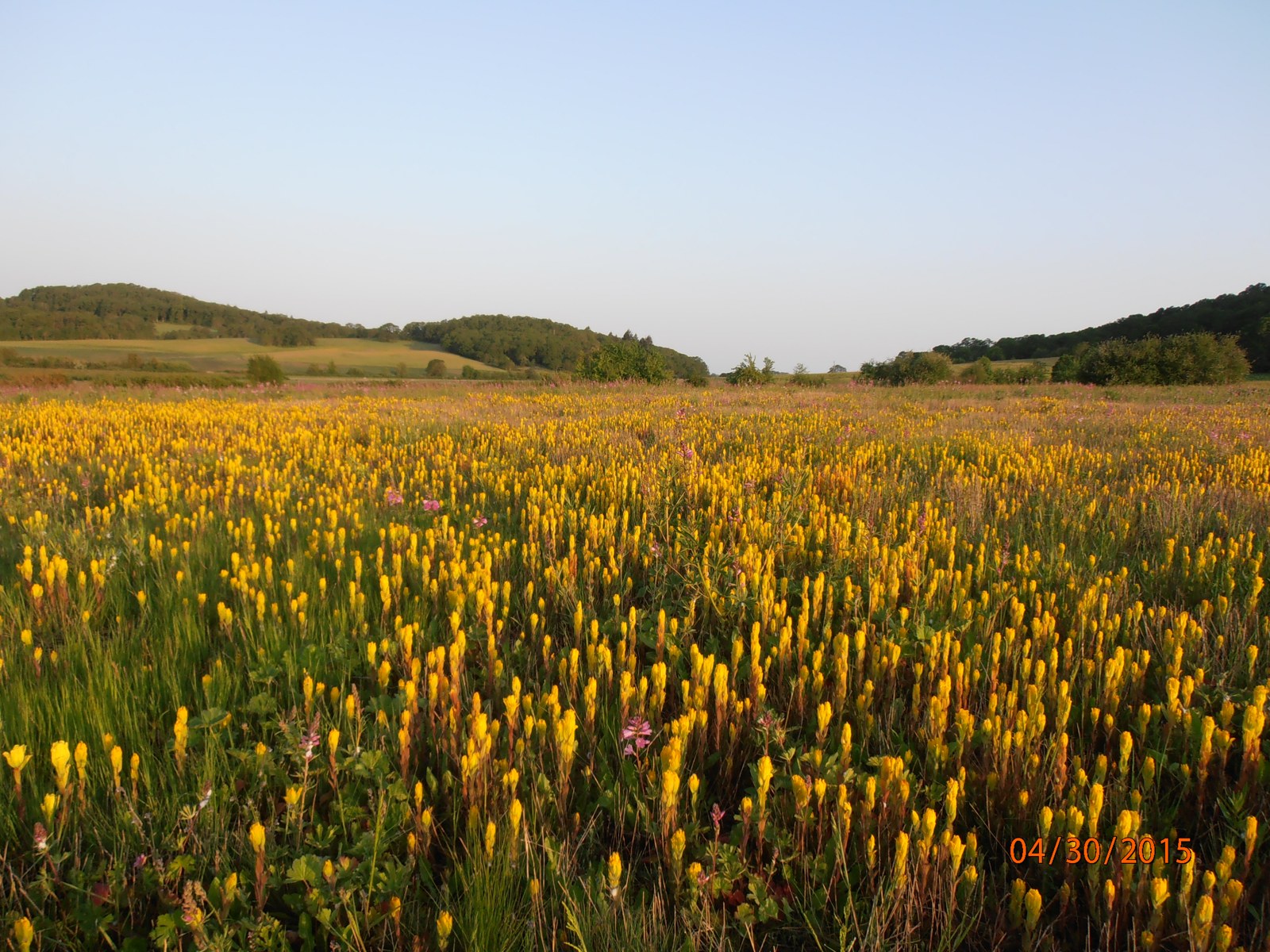
Illustrative file photograph: golden paintbrush restoration on private land near Baskett Slough National Wildlife Refuge in Oregon, April 30, 2015—not work undertaken under the new order. Photo: USFWS. Public domain. Image and license.
Source & further reading
U.S. Fish and Wildlife Service / U.S. Department of the InteriorRegulations and conditions change. Check current official guidance before you hunt, dive or travel.
As an Amazon Associate I earn from qualifying purchases.