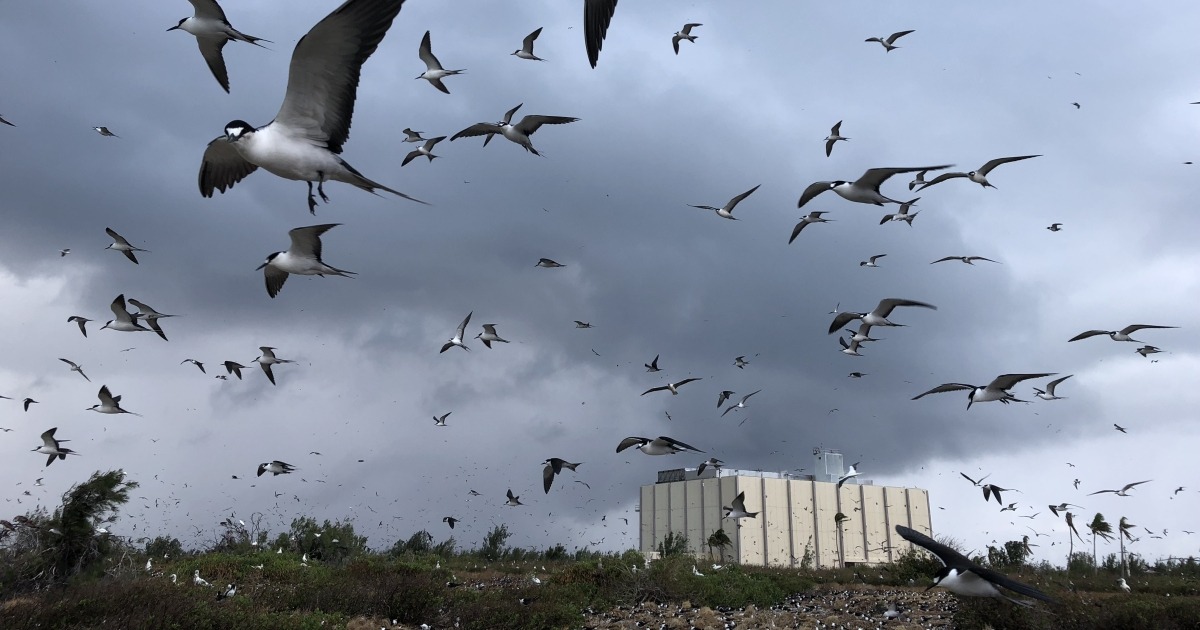
Johnston Atoll just hit the 100-year mark as one of the most remote pieces of America’s wildlife refuge system, and it is a good reminder that conservation is not always happening where people can see it from a road.
President Calvin Coolidge established the atoll as a refuge in 1926 for native birds. It sits about 780 nautical miles southwest of Honolulu, surrounded by open Pacific water, and today it protects coral reefs, sea turtles, sharks, marine mammals, and a pile of seabirds. USFWS says the refuge supports 15 nesting seabird species, including the world’s largest known colony of red-tailed tropicbirds.
The place also carries a hard history. Johnston Atoll saw decades of military use before being pushed back toward wildlife habitat. That kind of recovery does not happen because somebody draws a line on a map and walks away. It takes cleanup, monitoring, invasive species work, and a long memory.
One of the biggest wins was knocking out invasive yellow crazy ants. Those ants can attack adult and young birds, disrupt nesting, and wreck island food webs. After more than a decade of planning, treatment, monitoring, partner work, and even conservation detector dogs, USFWS confirmed the ants were eradicated in 2021. That is the kind of unglamorous management that saves wildlife.
A remote refuge most folks will never visit still matters. Birds, fish, reefs, and marine life do not need applause. They need habitat protected, invasives controlled, and people willing to do the work long after the headline fades. Johnston Atoll is proof that damaged ground can be brought back when conservation is treated like a job, not a slogan.
Source & further reading
U.S. Fish and Wildlife ServiceRegulations and conditions change. Check current official guidance before you hunt, dive or travel.